Architecture
An excerpt from Form Follows Fuel by Barnabas Calder and Florian Urban. Through 14 case studies, this book shows that energy has been the biggest influence on the world’s architecture throughout the history of our species.
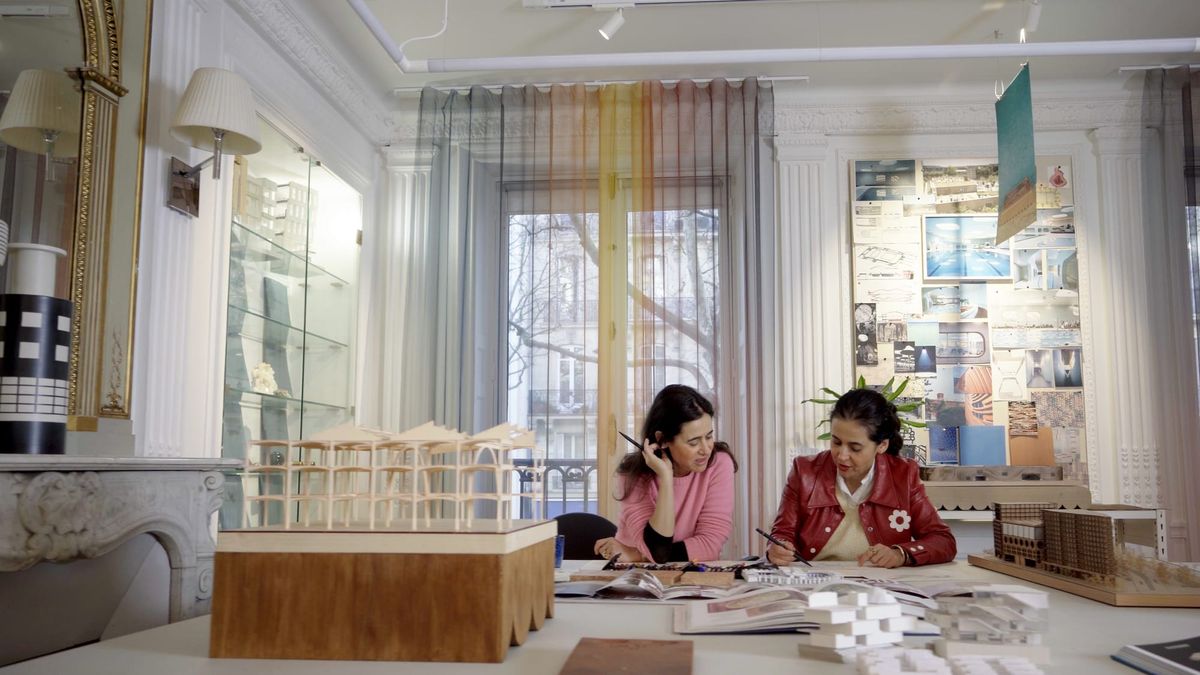
We sat down with Hafsa Burt, Californian architect and founder of hb+a Architects to discuss the practice’s environmentally focused work. Spanning policy, prototyping, and practice, Hafsa has quietly and persistently pushed sustainability from the margins into the heart of architectural thinking.
A vital constituent of a successful urban plan and one often overlooked or entirely missing, is the public toilet. For Studio Weave, this project shows how the humble toilet can elevate the city’s surroundings at the same time as offering a valuable and necessary addition to the public realm.
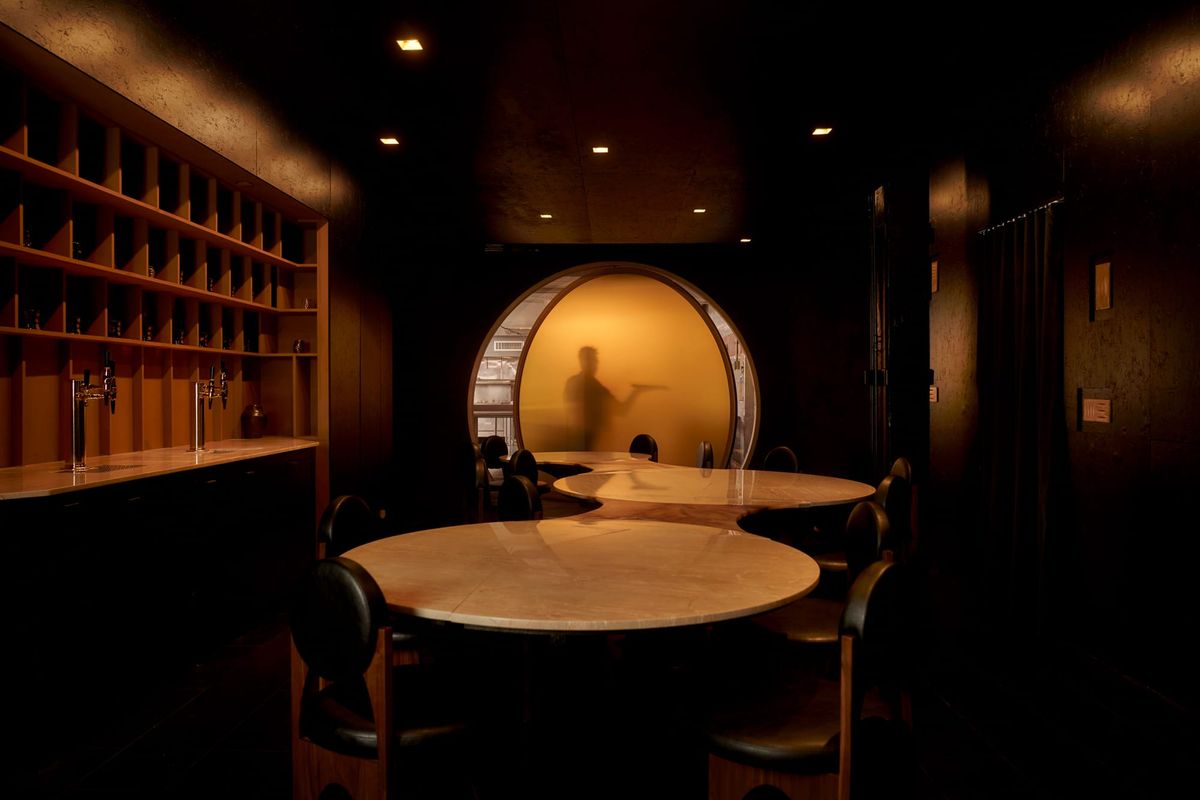
Designed by Mariam Issoufou Architects, Ghetto Gastro's Gourmega, describes itself as "a new kind of cultural table rooted in the legacy of Black and immigrant New York while pushing toward the future of food."
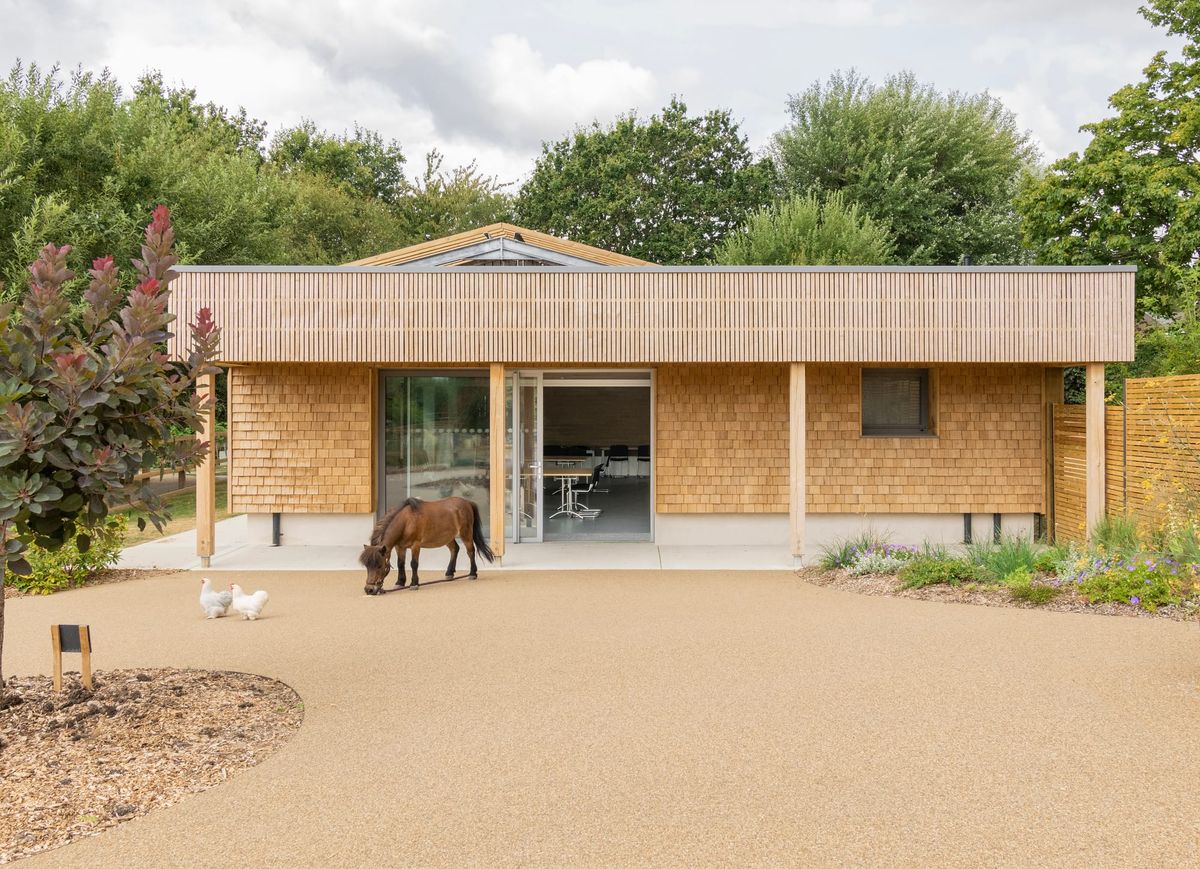
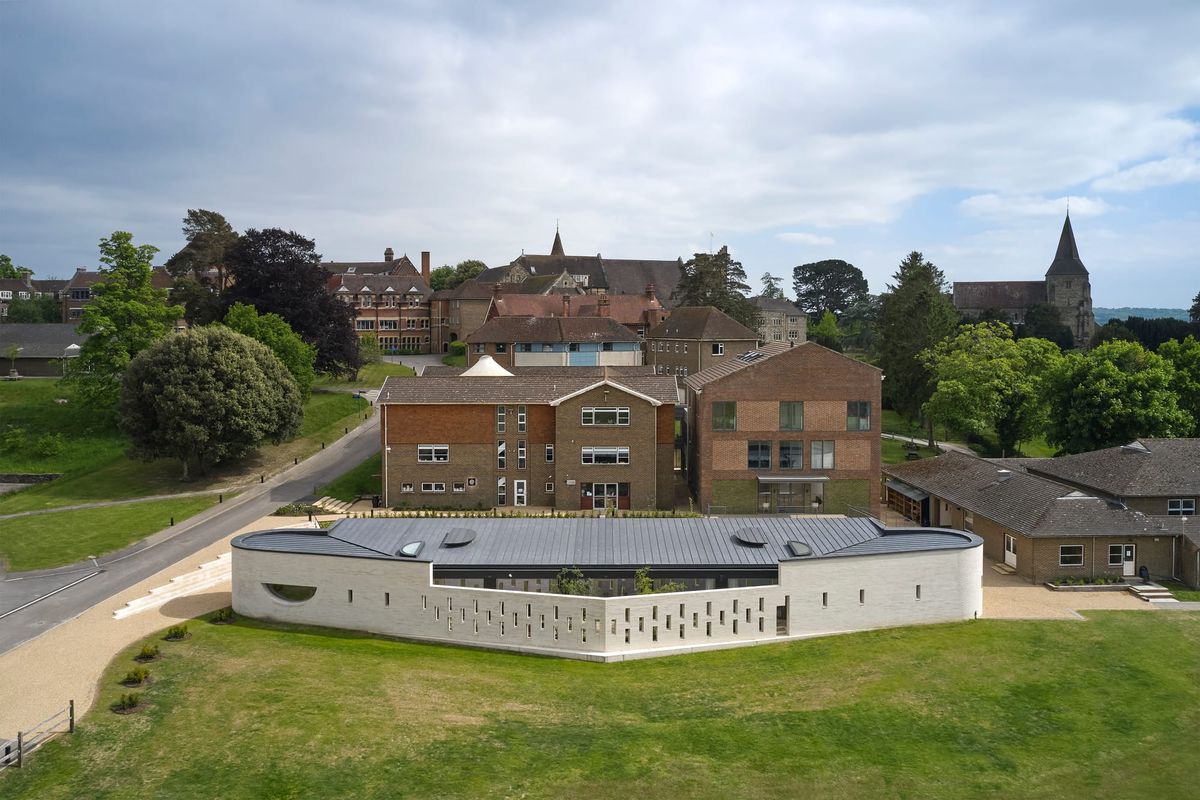
Adam Richards Architects reimagine school wellbeing design at Mayfield School, where St. Raphael’s Centre combines materials with historic sensitivity, setting a new benchmark for sustainable, student-focused architecture.
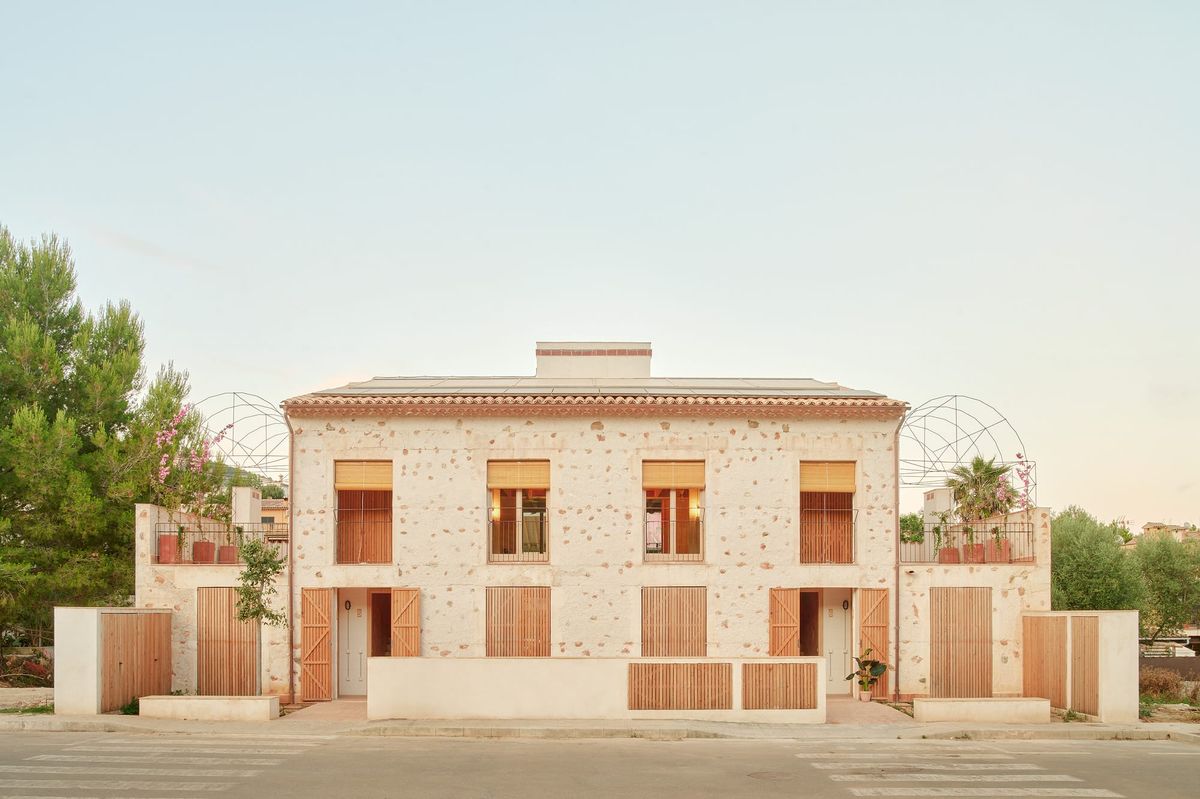
The Balearic Islands are driving an architecture revolution via IBAVI's low-impact housing. Alventosa Morell Arquitectes and Joan J. Fortuny's project is a model of this ethos. Using site-excavated stones and compacted-earth walls the building is an act of knowledge exchange for public building.
The Rammed Earth House in Wiltshire by Tuckey Design Studio reflects a slow, thoughtful approach to design. Commissioned by a couple, it’s shaped by how they live together, the sun’s arc, and the surrounding landscape.
Lebanese born and Paris based architect Lina Ghotmeh is rightly gaining a reputation for beautiful and considered architecture deeply rooted in the history, context and stories of place.
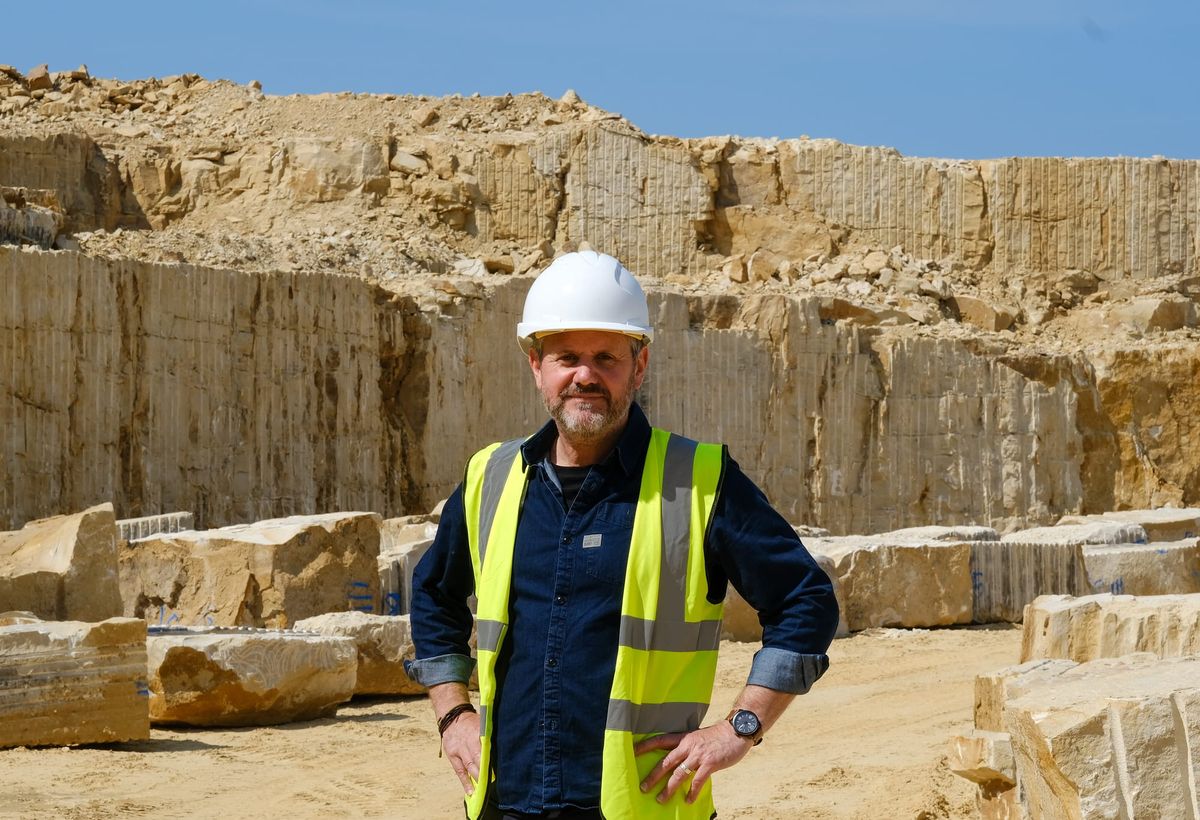
Groupwork’s Finchley Road project elevates stone construction with over 400 precision-engineered Larvikite beams and columns. A low-carbon alternative to steel and concrete, it combines structural innovation and sustainability building on lessons from Clerkenwell Close.
The Tiny Farm Fort is a cob-built, community-driven home where volunteers and locals shape every stone and beam. Using bioregional materials and sustainable techniques, Raghav and Ansh Kumar create a space that teaches, inspires and celebrates connection.