Featured
'a living architecture' with Studio Tashima
Material reuse has become an established part of the architectural lexicon, with discussions centred on circular economies and carbon efficiency. Less often discussed is the emotional resonance that these materials bring to our living environments; materials that come with a provenance, a story of a previous life with a patina that new off-the-shelf materials just don’t have.
Charles Tashima founded his eponymous practice Studio Tashima in 1999. The London-based practice has gained a reputation for a careful and considered approach to existing materials and structures. The work of the studio has created a collection of projects for clients in London and beyond that speak of history, warmth and timelessness.
Having grown up in the US, Charles moved to Zurich, followed by Berlin and London, gaining an appreciation for the history embedded in European buildings and cities. The contrast between the comparatively young world of his upbringing and one shaped by centuries of change profoundly influenced his process-driven approach to architecture. In the intervening years, this sensibility has led his studio to develop the brief of ‘a living architecture’, an aspiration that is as much about sustainability as it is an architectural design method and ambition for a richness in architecture. Charles explains, “We always start with what’s already there, keeping as much as possible through a more surgical approach. Not only is it sensible, we believe a house holds a life that is held within its materials, and our role is to reveal and extend that story rather than erase it.”
Underlying the work is a belief that buildings, like landscapes, are continually evolving. They accumulate layers of occupation, adaptation and memory over time, with each intervention becoming part of an ongoing narrative. ‘a living architecture’ emerges from this understanding, informing the studio's approach to materials, conservation, collaboration and making. Rather than seeking to create something entirely new, each project is conceived as a continuation of a story already in progress.
In this way, the studio understands architecture less as a finished object than as a living system rooted in an observation of the natural world, where richness emerges not from uniformity but from relationships, variation and continual change. Charles explains: "We're becoming increasingly disconnected from nature. There's a beauty in putting ourselves back in. There is a richness of experience walking through woods; the layers of organic material on the ground; the proximity of one tree to another; the repetitiveness can be mesmerising and wonderfully dizzying. There is a richness that fills your experience."
Reappropriation and adaptation is central to this idea of something being alive, forming a thread across the studio’s work. The design process starts with what’s there. It makes a strong case for retention, not only out of resourcefulness but for the experiential richness that materials and spaces can give. The character of an existing house, for example, can be found in the acoustic properties of lathe and plaster that brings a deadening sound rather than the empty hollowness of plasterboard. The studio has learned techniques along the way that allow them to save materials. Working with existing conditions and reappropriating things is not for the light-hearted. Maintaining materials can often present substantial challenges. Time pressures, recalcitrant contractors, and perceived budgetary constraints can sometimes make the conversation to preserve fraught. Charles celebrates these difficulties, finding possibilities in the seemingly impossible. There is real joy for the design team when unforeseen design or chance encounters arise from conflicts and adversity.
Collaboration with the client is important, and the studio’s working relationship is a close one, with clients often taking on a participatory role in the process. Tasked with finding reclaimed elements for the project, clients become sleuths. One client bought flooring from a bank in Belgium to be repurposed for their new home. A characterful, reclaimed door found by another client whilst travelling in Spain was too big, leading the studio to create a stepped opening. The result elevates the doors, creating a beautiful arched aperture. Often, pieces seem to be awaiting discovery; one dispensary cabinet found by the client fitted exactly the space allocated to it within millimetres.
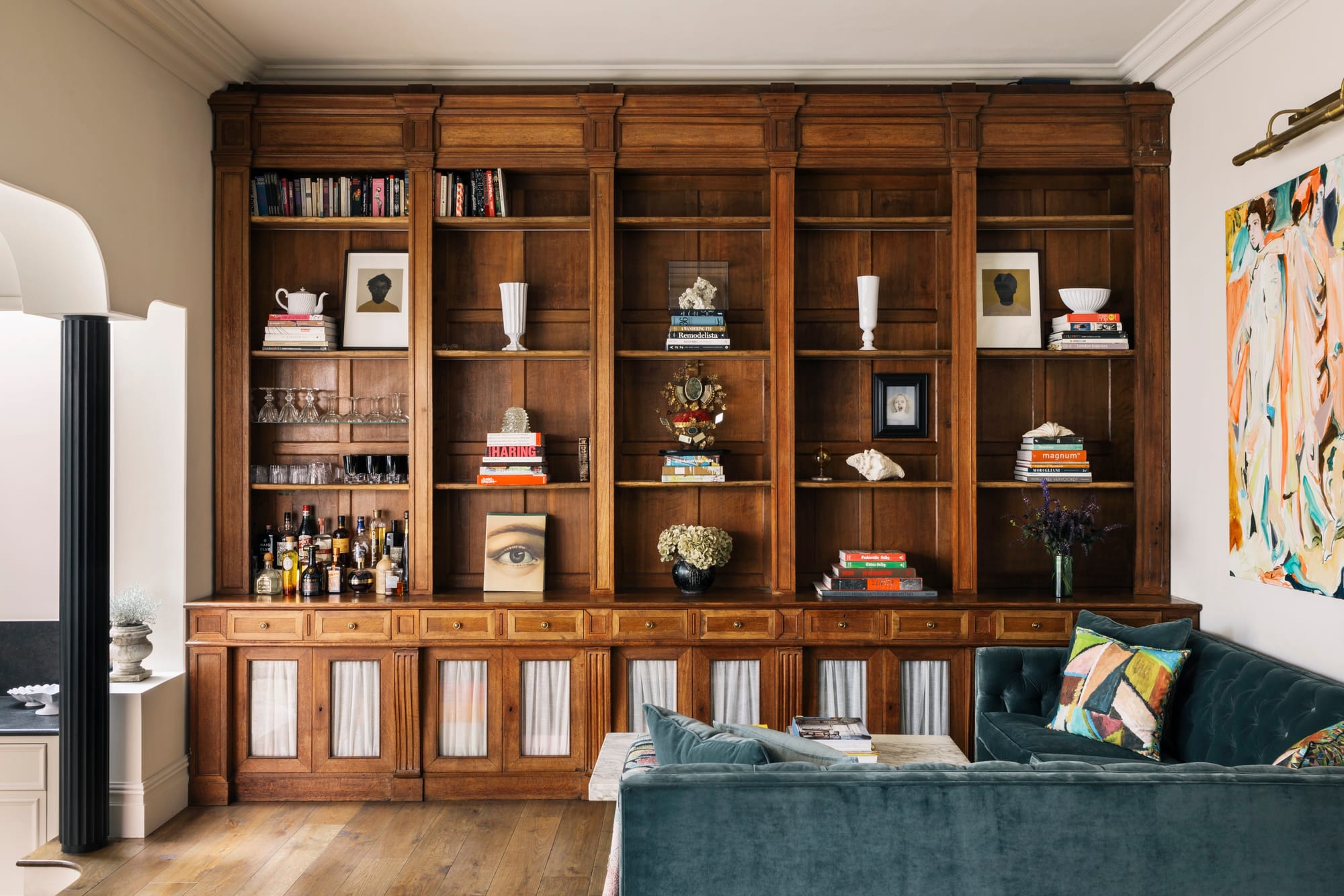
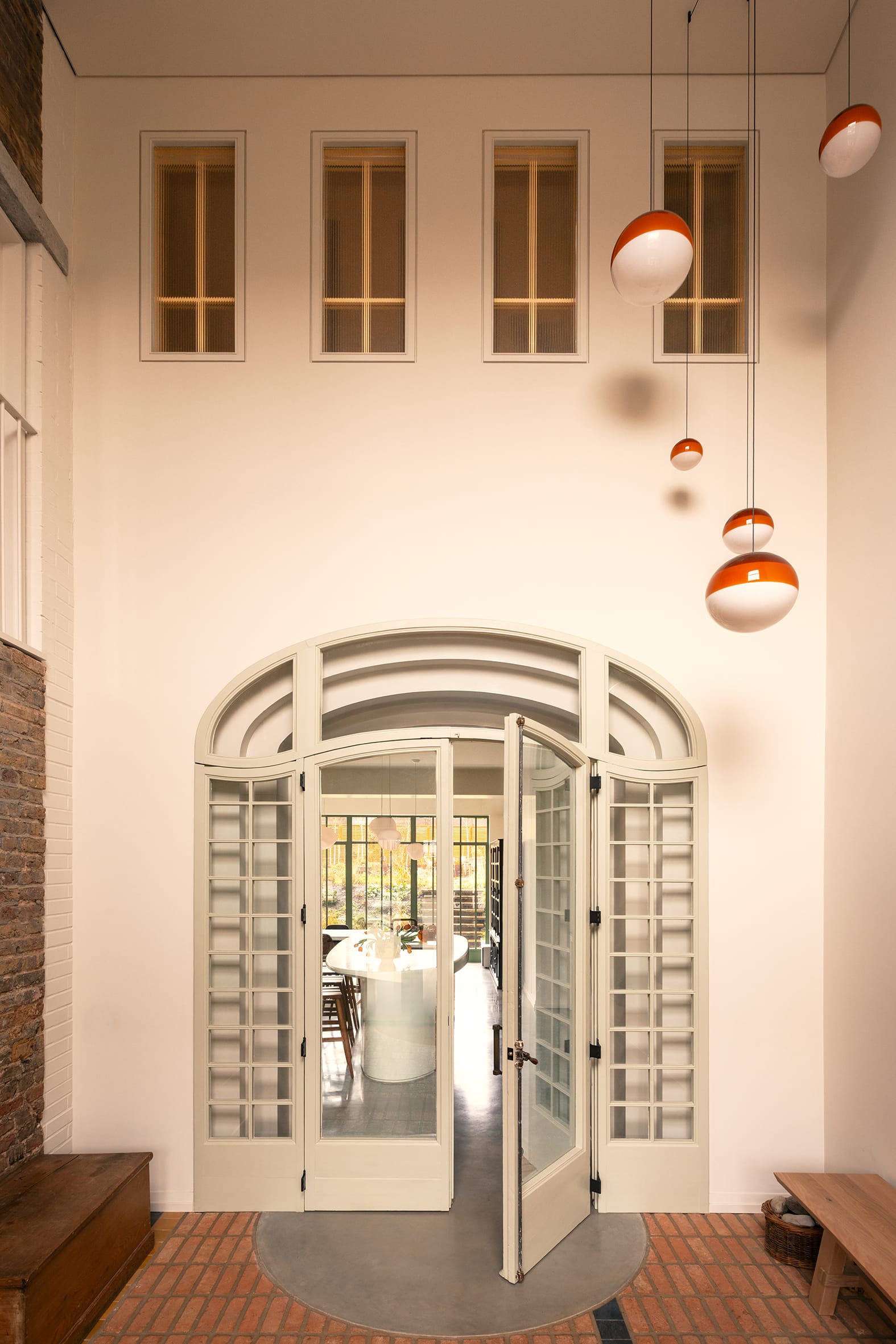
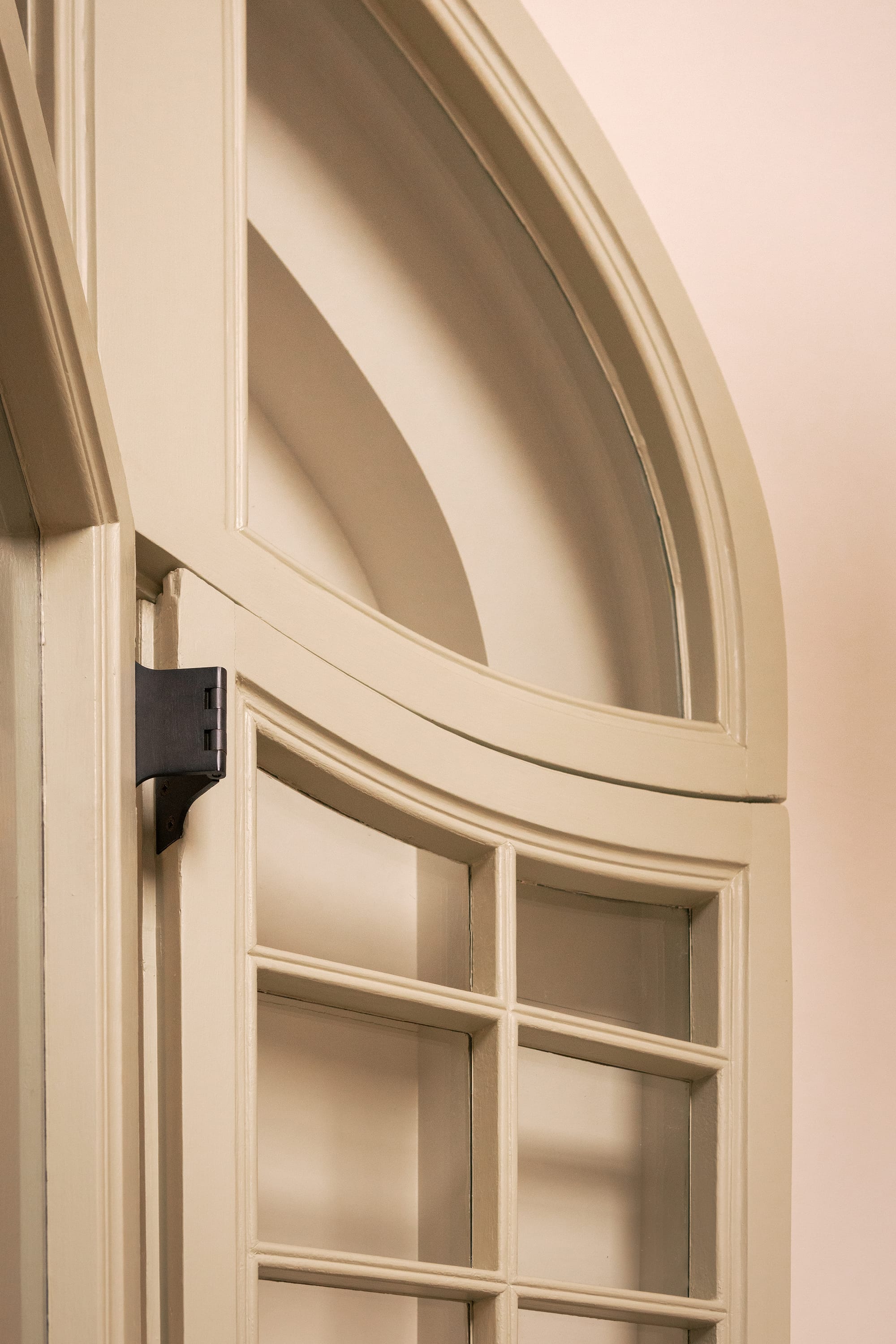
Reclaimed doors found in Spain | Images credit: Anna Batchelor
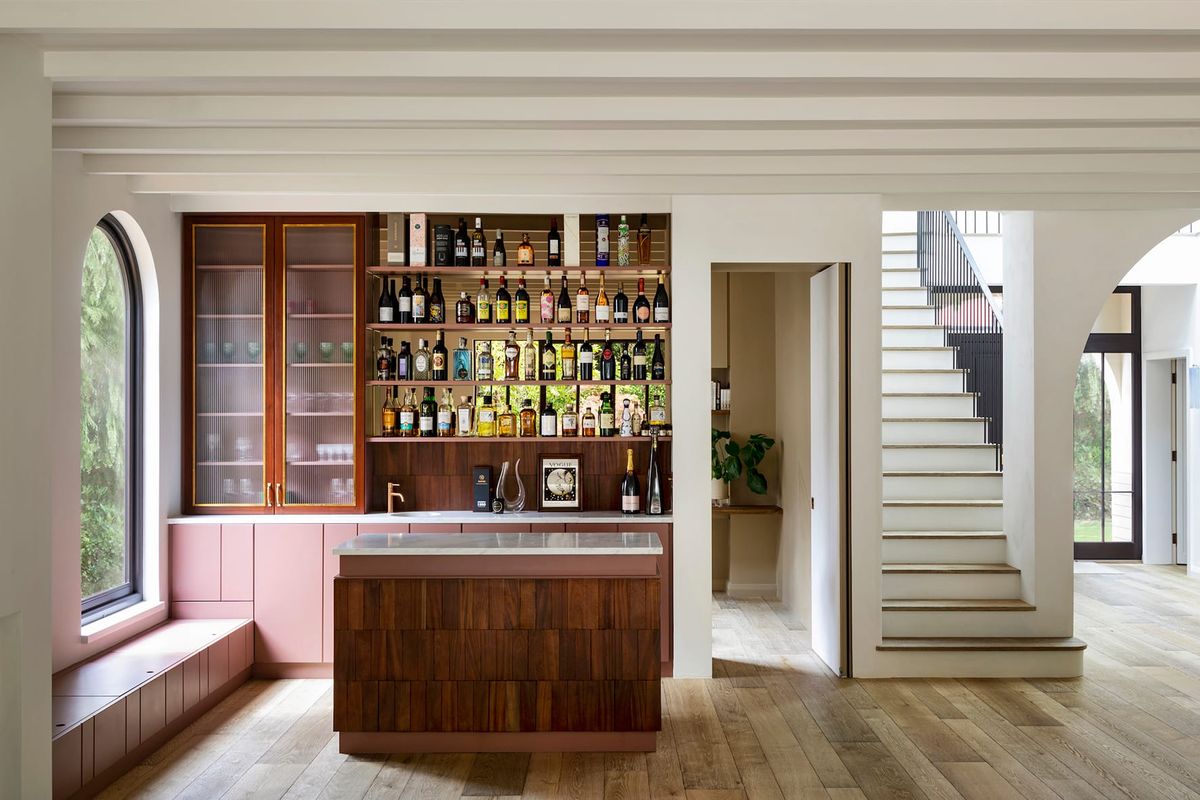
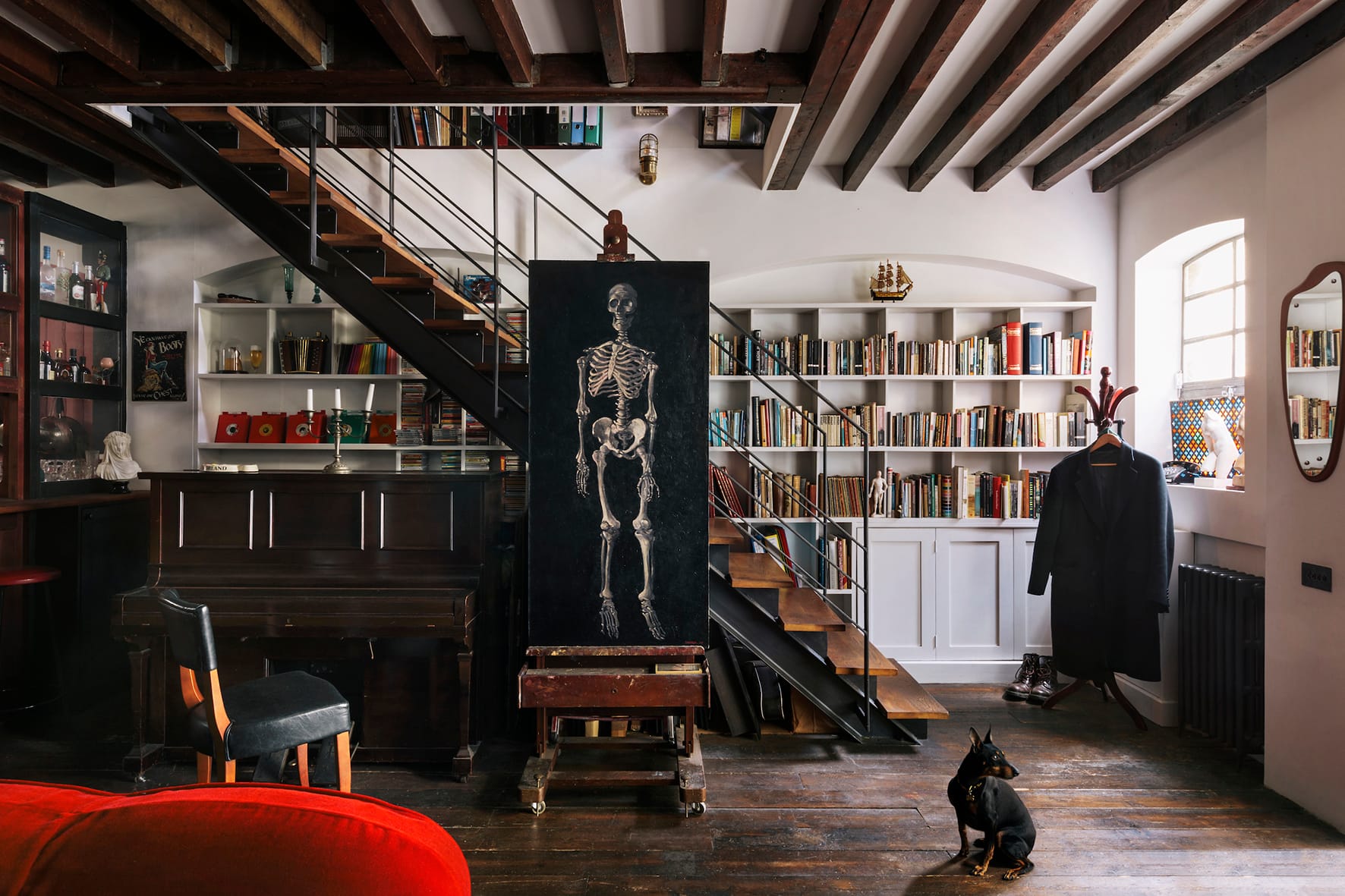
This considered bringing together of elements from different times gives each project the feeling of layers that have been added to. A townhouse in Myddleton Square, North London, that had lived several lives as an artist’s studio and a nunnery, offered the opportunity to bring the house back to life and add a new layer of history. Their film director client had a strong sense of space and design and added her own identity to the project through a dialogue with the studio. Coloured glass was an idea from the client to enhance windows Charles repurposed from another project of theirs, a tram depot. The ‘fresh eggs panel’ was bought by her at a market in New York. A wine rack found at a reclamation yard is built into the kitchen and cut-up bread boards become a brick pattern on a wall enclosure. Serendipity plays an important part in the design process and organically these elements flow into each other as a living architecture, making a space that looks like objects have accumulated over the years. Essential to the studio’s is their collaborative approach. In many instances, Studio Tashima’s Some clients have gone on to become interior designers themselves, definitive proof of the success of this approach.
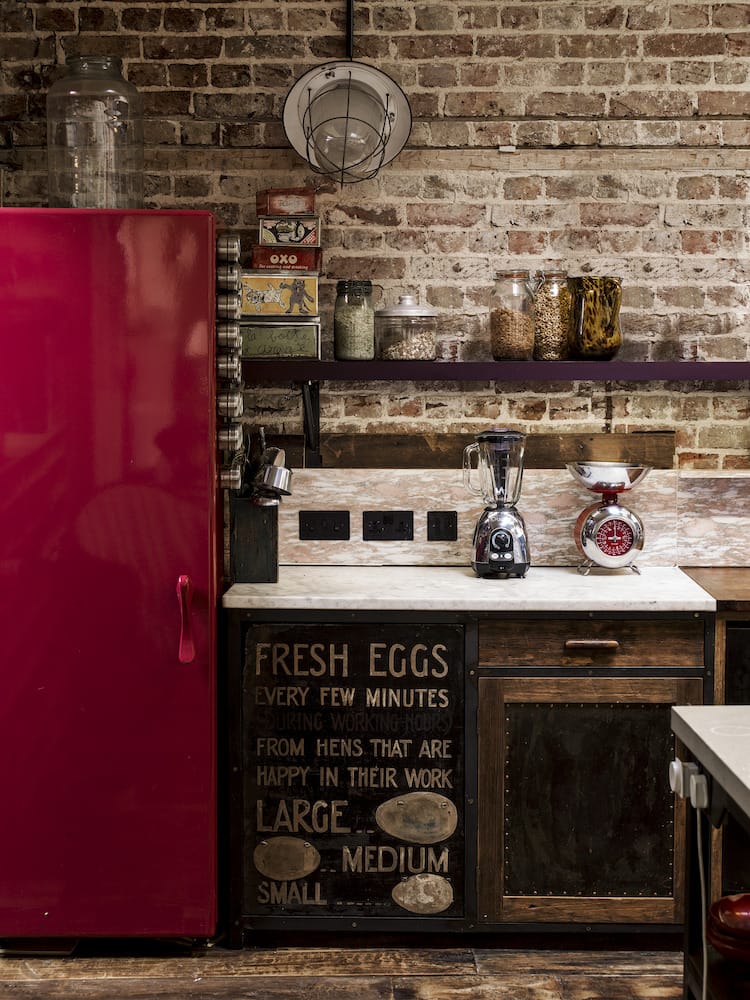
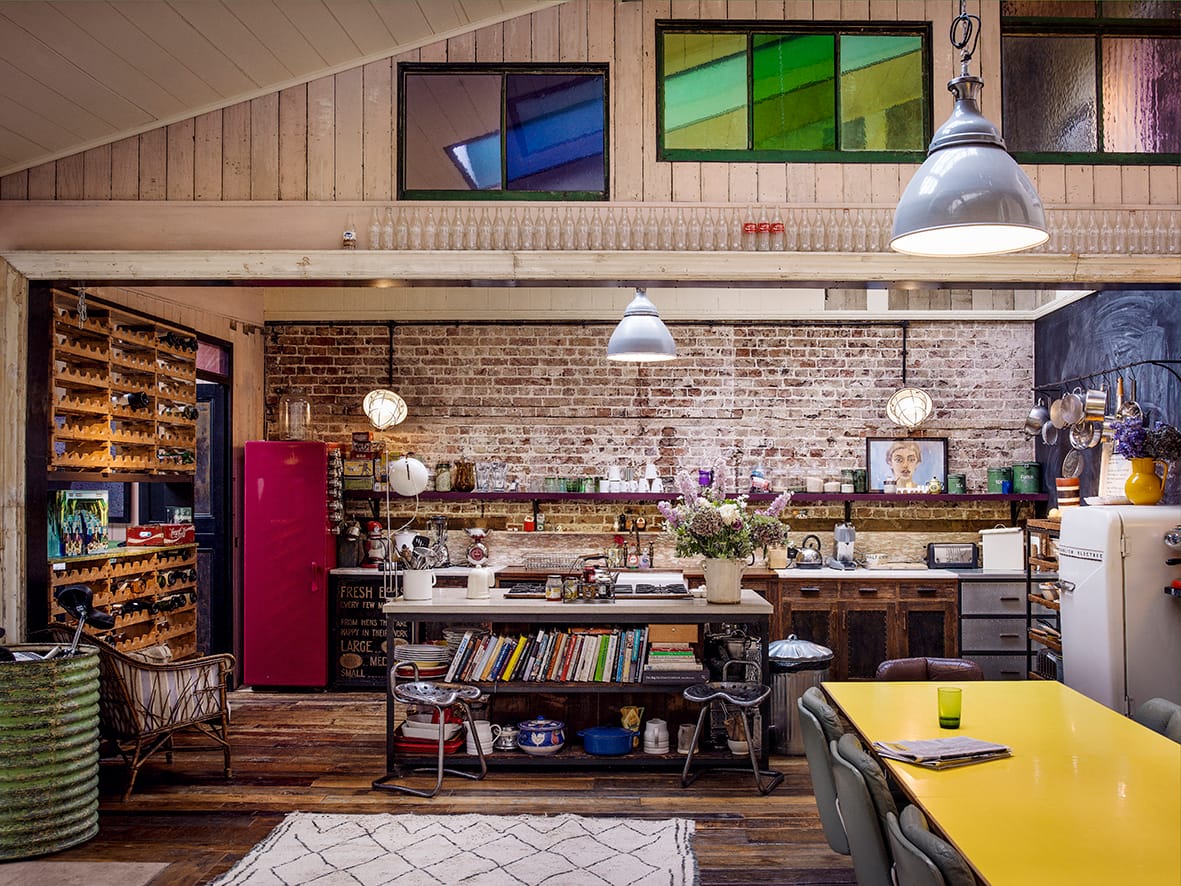
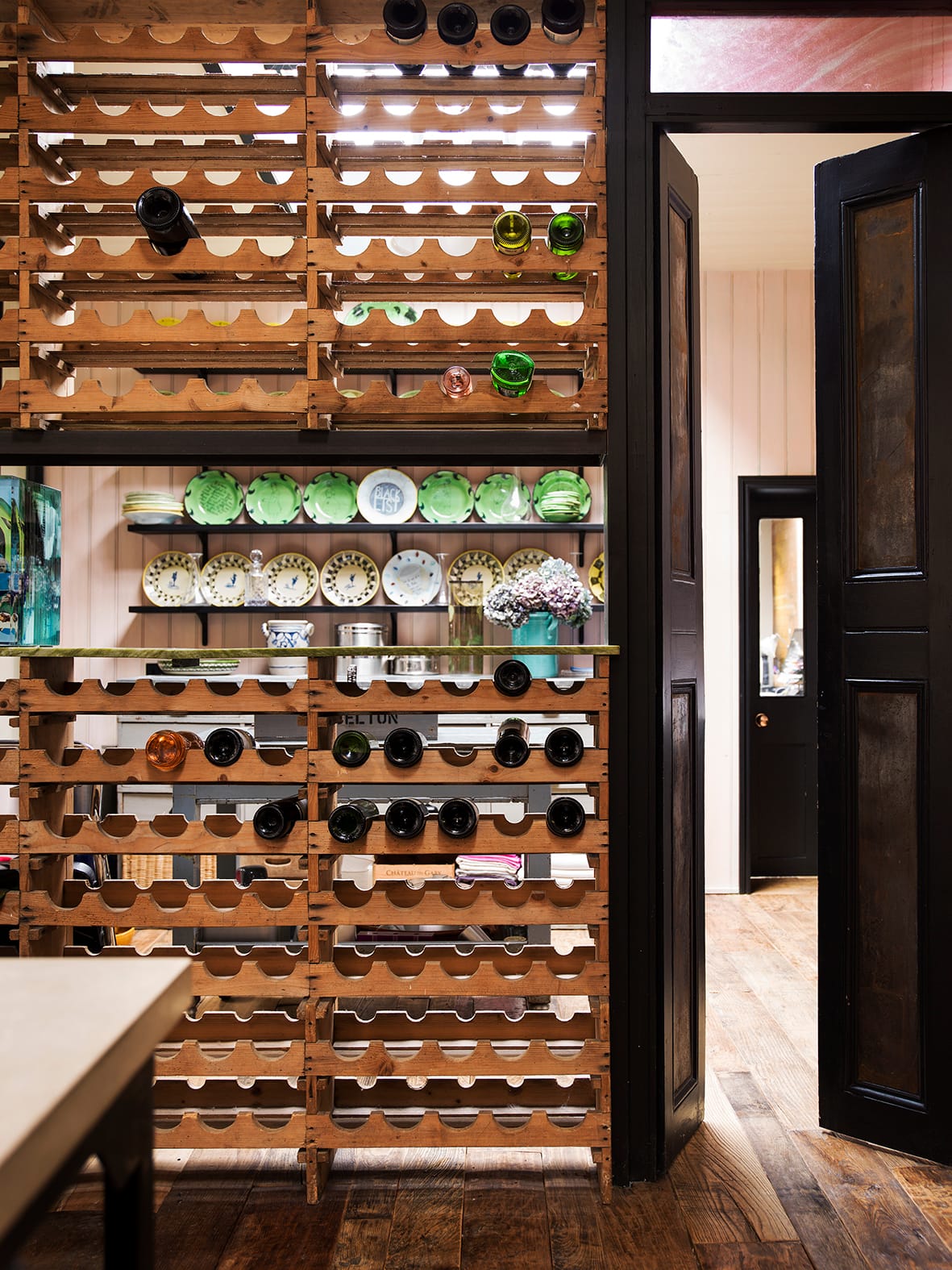
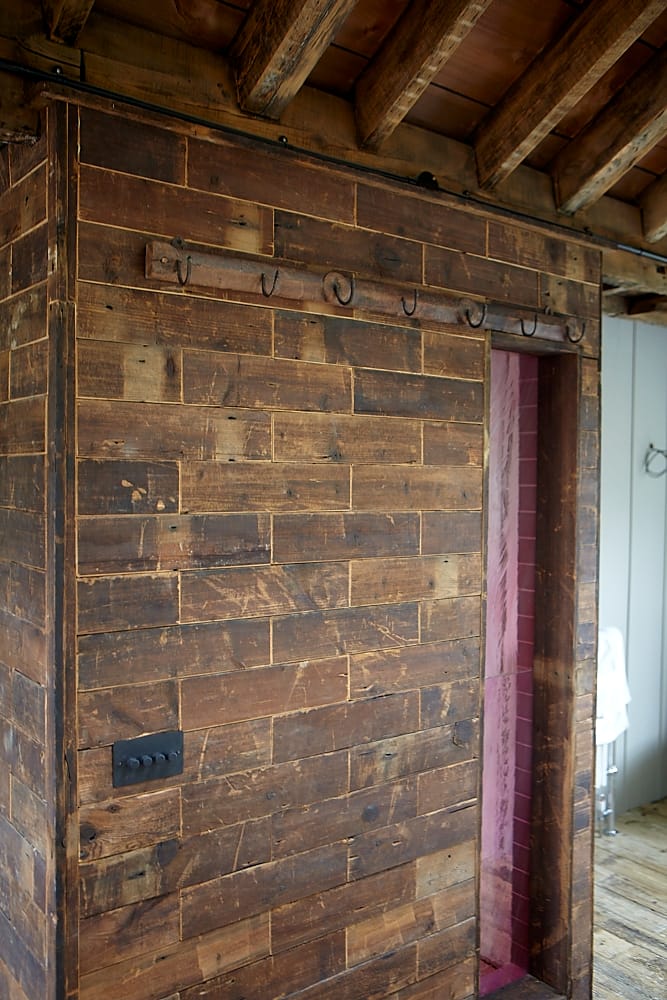
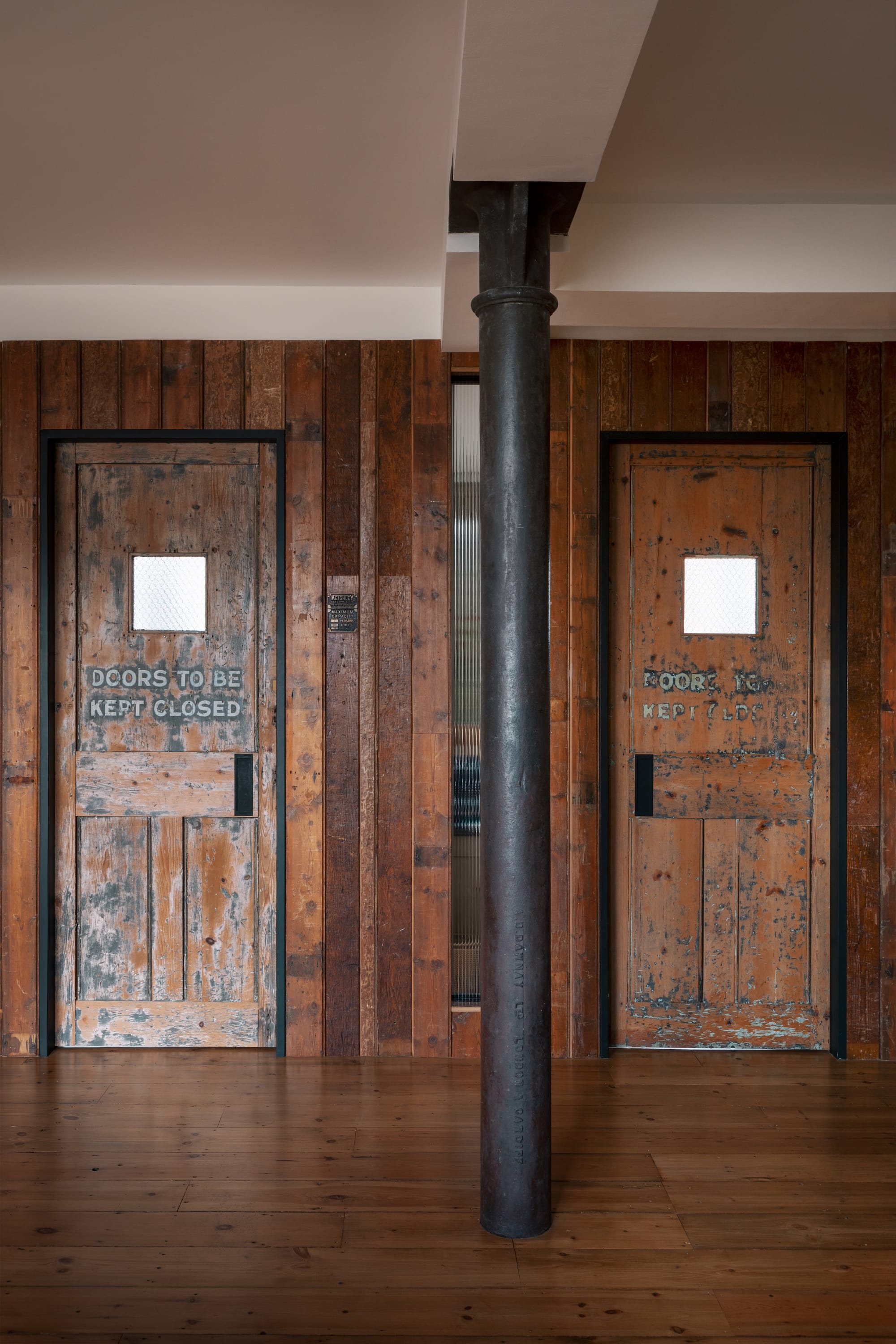
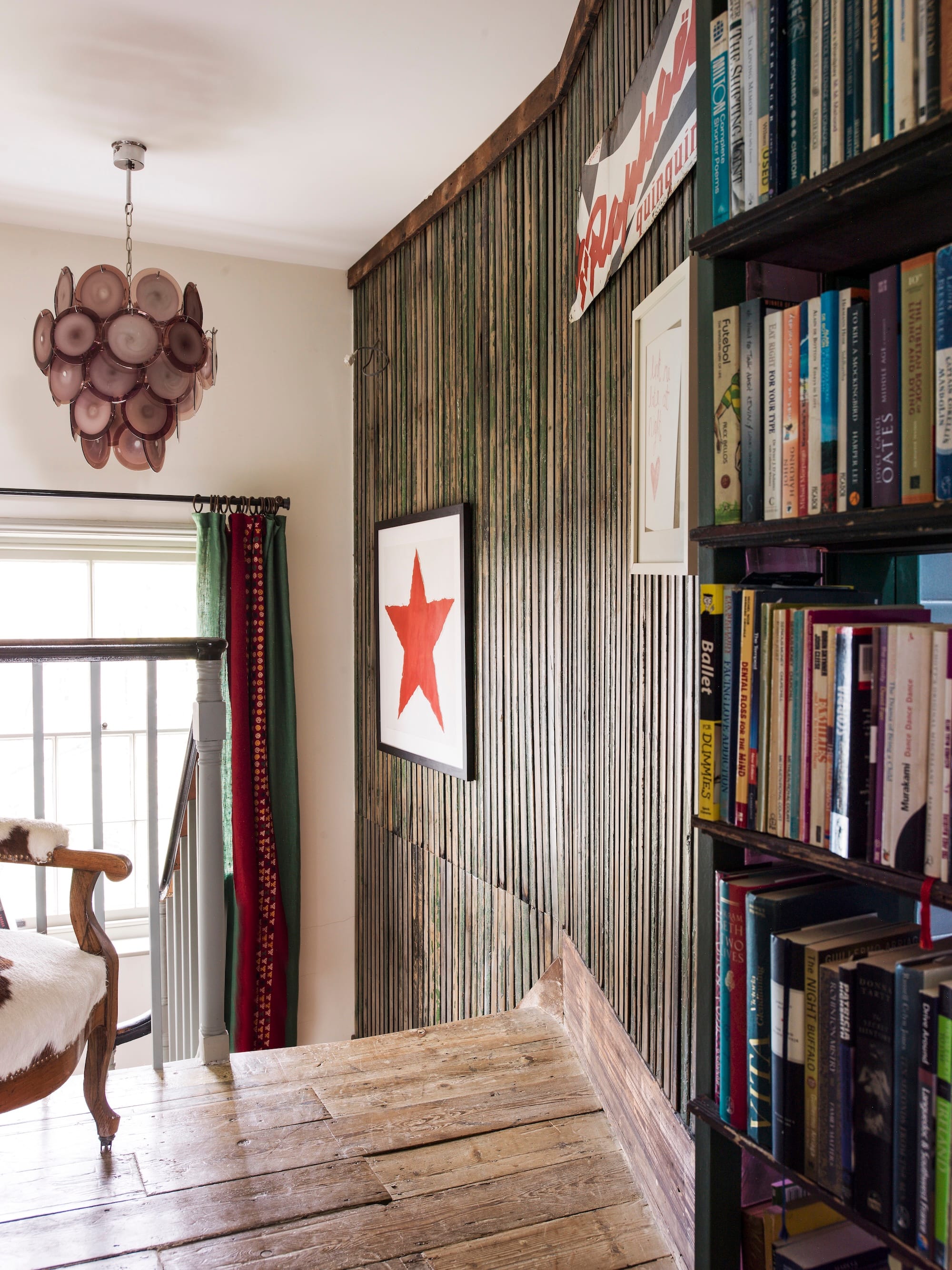
North London townhouse with a rich array of materials | Images credit: Simon Bevan
New build houses by the studio are treated with the same method through the use of reclaimed doors, flooring and beams that are made deliberately off-centered to suggest an idea of time and an additive quality. Charles notes, “I like the idea of the houses feeling timeless even though we are always trying to do something new and different.”
Some of the photos on the studio’s website were taken years after completion; a testament to the timelessness of the architecture and capacity to evolve. The practice also documents their approach by writing about their work, stories that allow them to celebrate the details they notice in the houses they work on.
Against this backdrop of over 25 years of experience in making houses for private clients, the studio is keen to diversify the focus of their work and test their method at a larger scale. A fictional self-initiated project aims to develop their architectural vocabulary with the design of a hotel set in an existing clearing within the secluded Kielder Forest in Northumberland. The studio took inspiration from Gio Ponti’s abandoned Hotel Paradiso al Cevedale in the South Tyrol in Italy, a vast urban block set into the countryside.
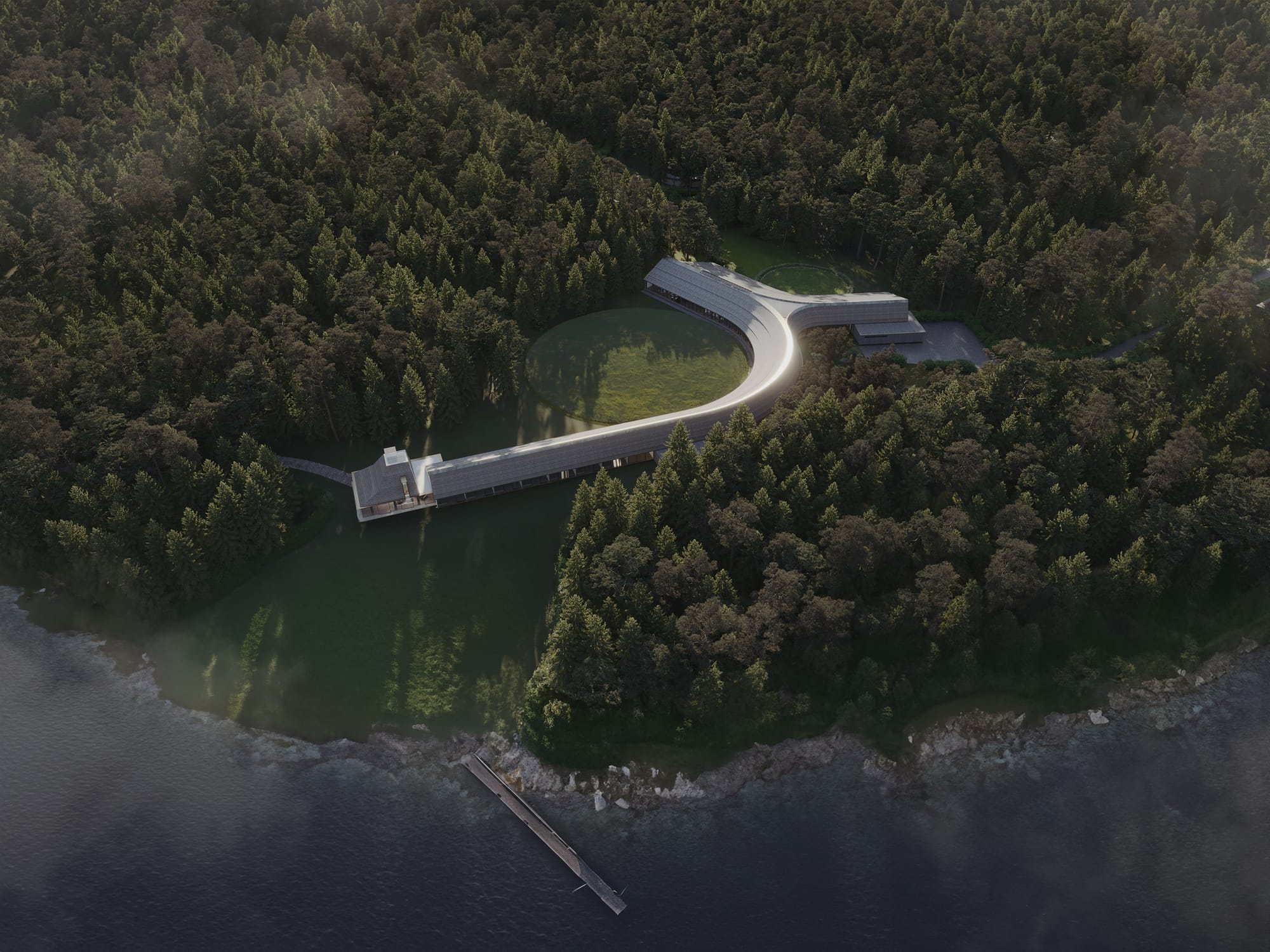
By testing materials and scale and forging a close engagement with the woods, the project is a way of showing a skill set refined by years of making homes; acting as a starting point for showing how those skills could translate into different typologies.
Clients come to the studio for their sensitive approach to respecting existing materials. The result is a portfolio of beautiful projects that create a sense of continuity and belonging.