Material Stories
Featured
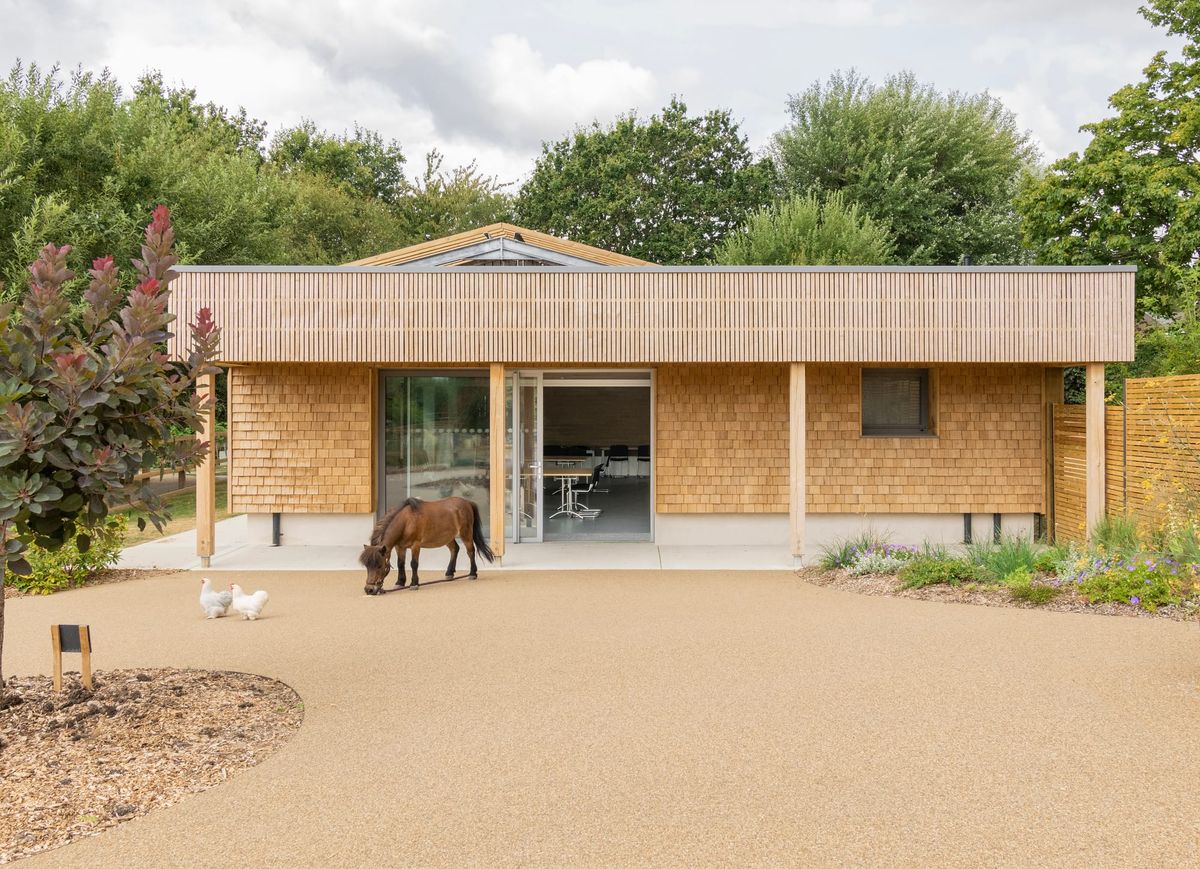
BakerBrown’s Bradbury Den transforms an existing barn into a warm, accessible learning space for children with complex neurodisabilities. Built with local, low-impact materials and shaped by the wider community, the project brings children, animals and nature together.
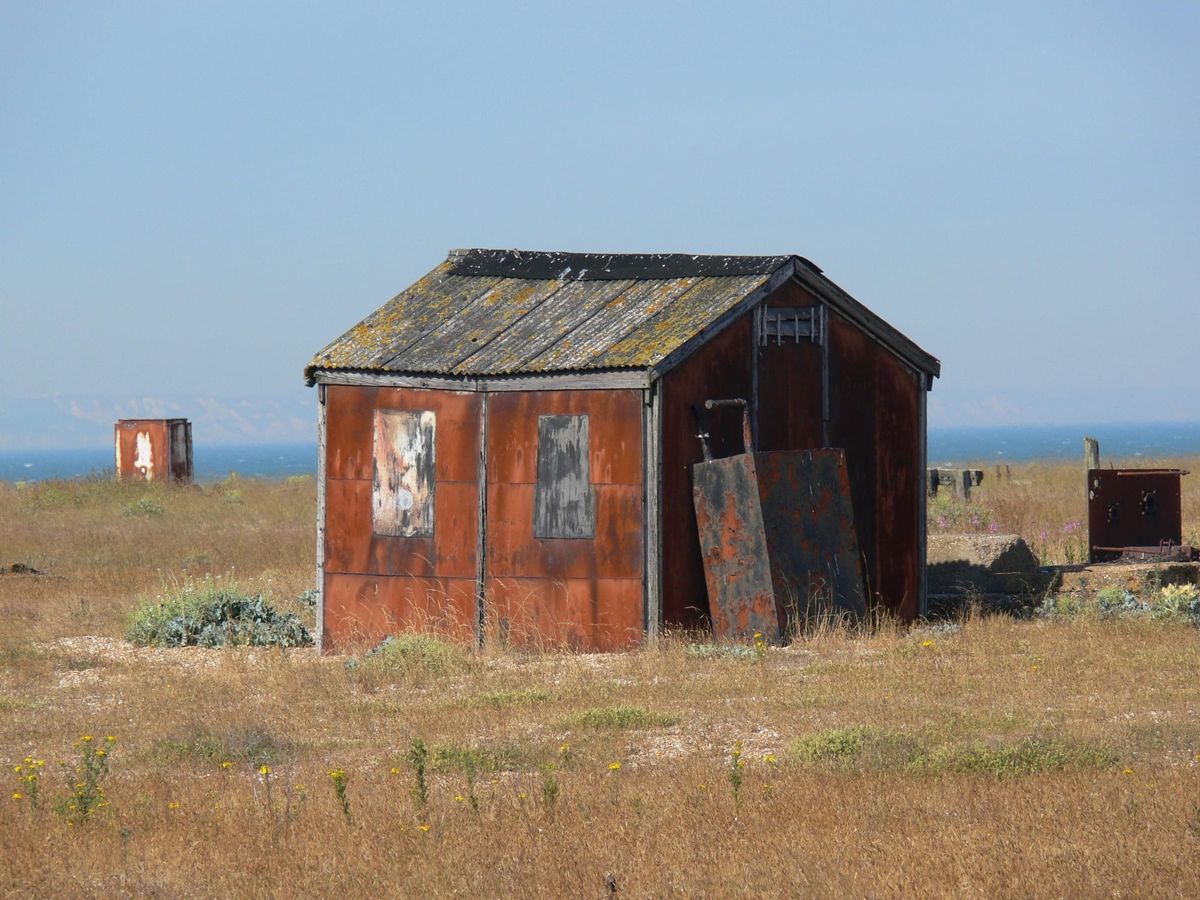
An exploration of Dungeness as a place where domestic life, architecture and landscape are continually negotiated. From railway carriages and fishermen’s huts to Prospect Cottage and contemporary homes, it traces how adaptation and planning constraints have shaped this uniquely fragile settlement.
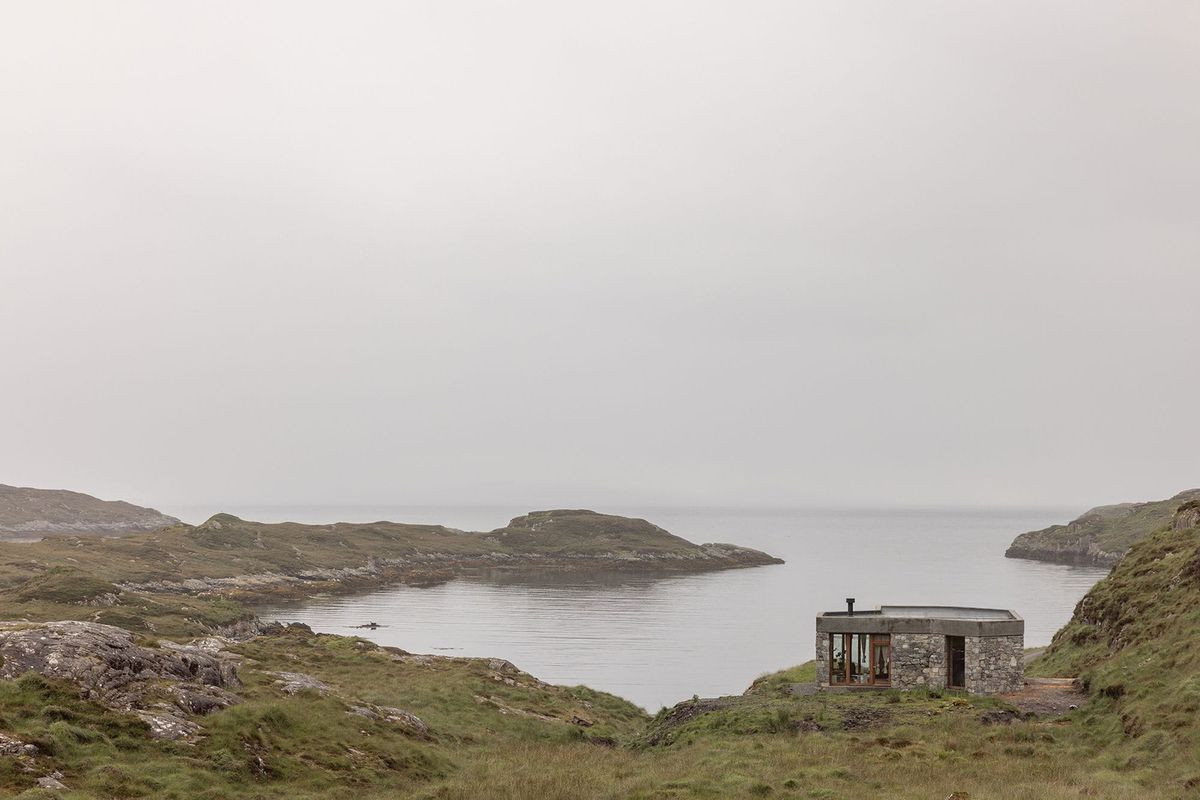
Scottish vernacular architecture evolved from necessity, shaped by local materials, climate, landscape and community. Today, projects such as Caochan na Creige show how these principles can inform contemporary architecture, creating buildings rooted in place, resource and local knowledge.
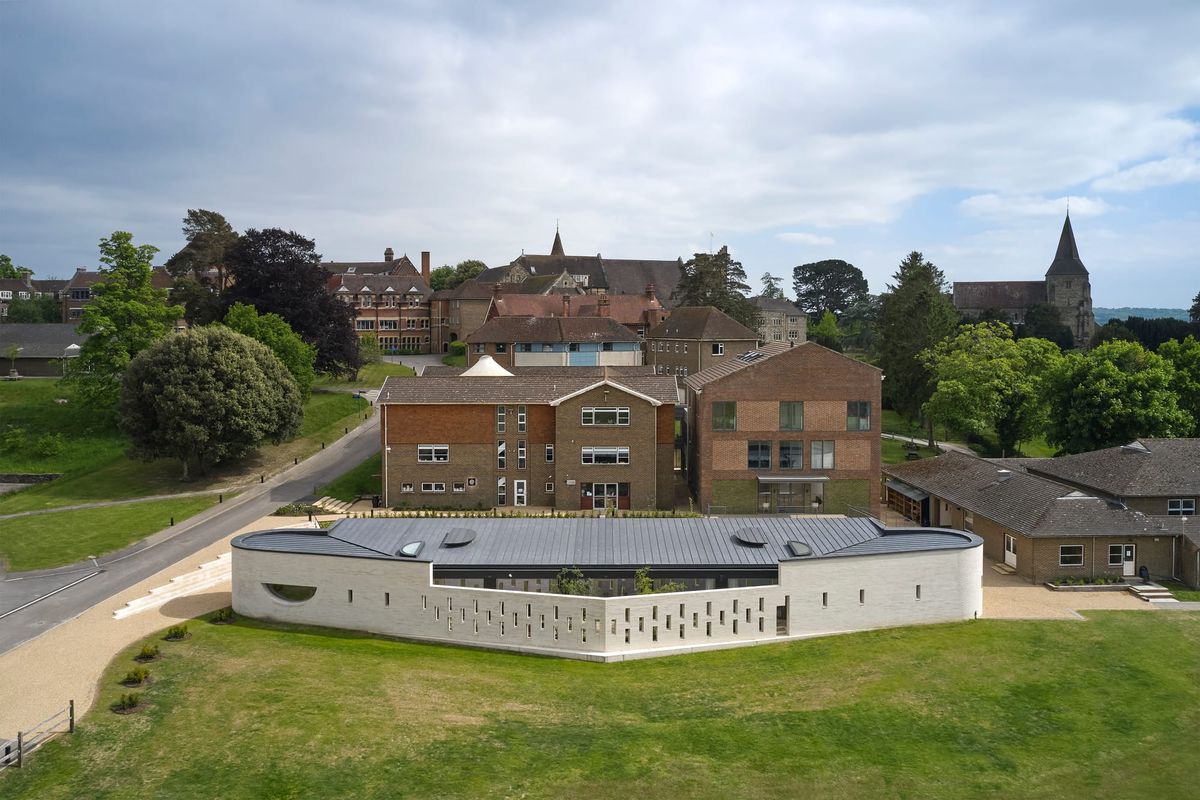
Adam Richards Architects reimagine school wellbeing design at Mayfield School, where St. Raphael’s Centre combines materials with historic sensitivity, setting a new benchmark for sustainable, student-focused architecture.
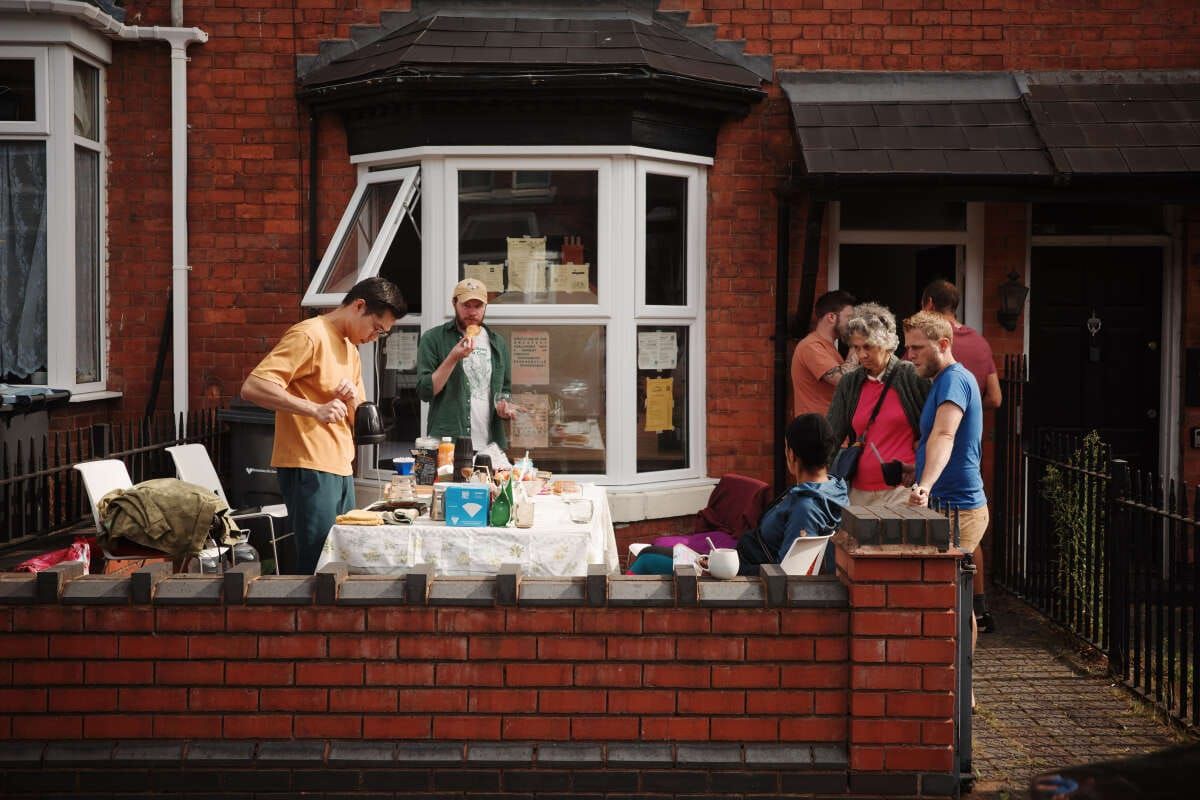
In a Birmingham house, Civic Square opens up the hidden layers of the housing crisis. Retrofit House uses natural materials and collective learning to link housing, health and climate, and to show how neighbourhoods might repair themselves.
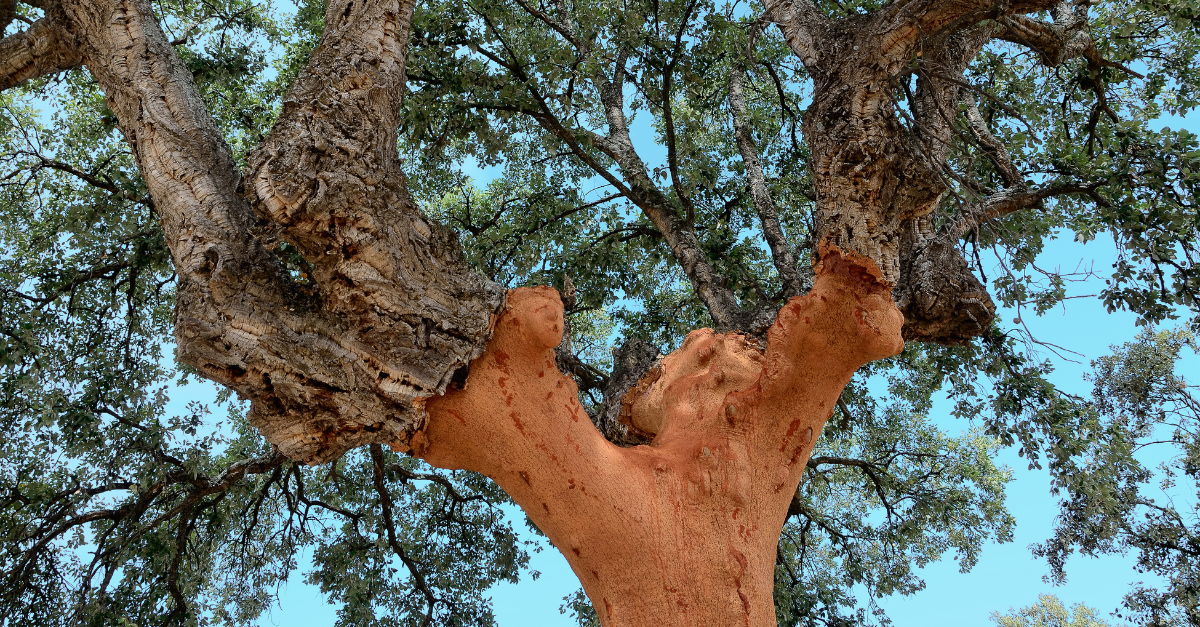
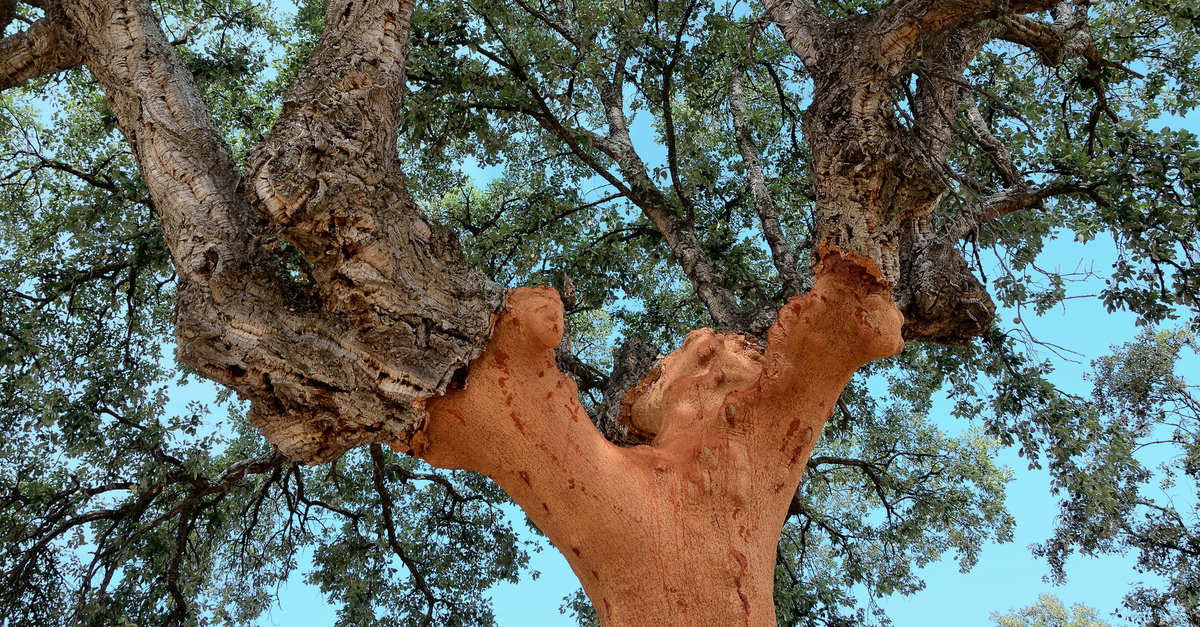
In Portugal, a proverb says whoever cares about their grandchildren plants a cork oak. Harvested without felling, regrown on long cycles, cork offers a rare building material that renews itself - a slow, living alternative to extractive forestry and fast, fragile afforestation.
Interior design impacts the planet yet awareness is low. Chloe Bullock advocates for sustainable practices - using regenerative materials, avoiding toxic chemicals, and embracing circular design - while engaging clients, communities and nature to reduce harm and protect biodiversity.
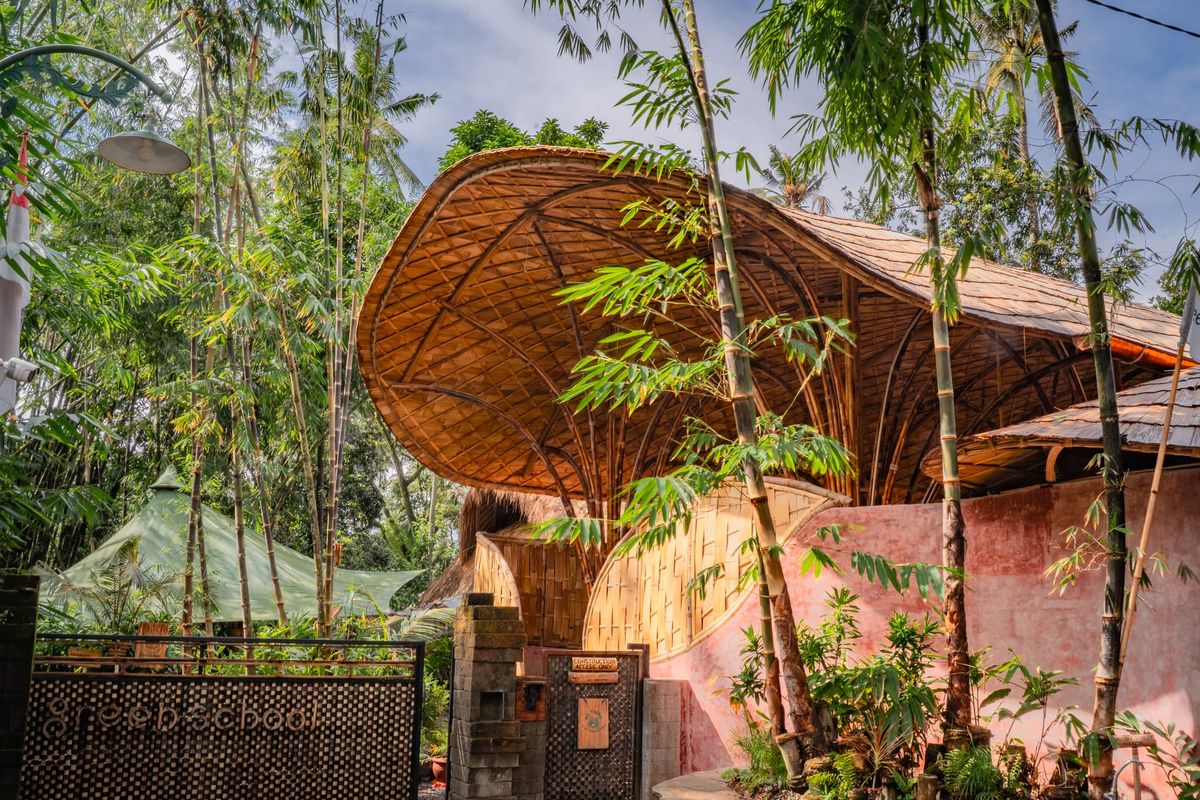
The Living Bridge at Green School Bali is a hands-on learning space where students, teachers and local craftsmen built together.
From demolition rubble to olive pits and coffee grounds, designers are turning waste into beautiful, useful materials. Circular design celebrates local resources and sustainability, giving discarded items new life while telling the story of their past.
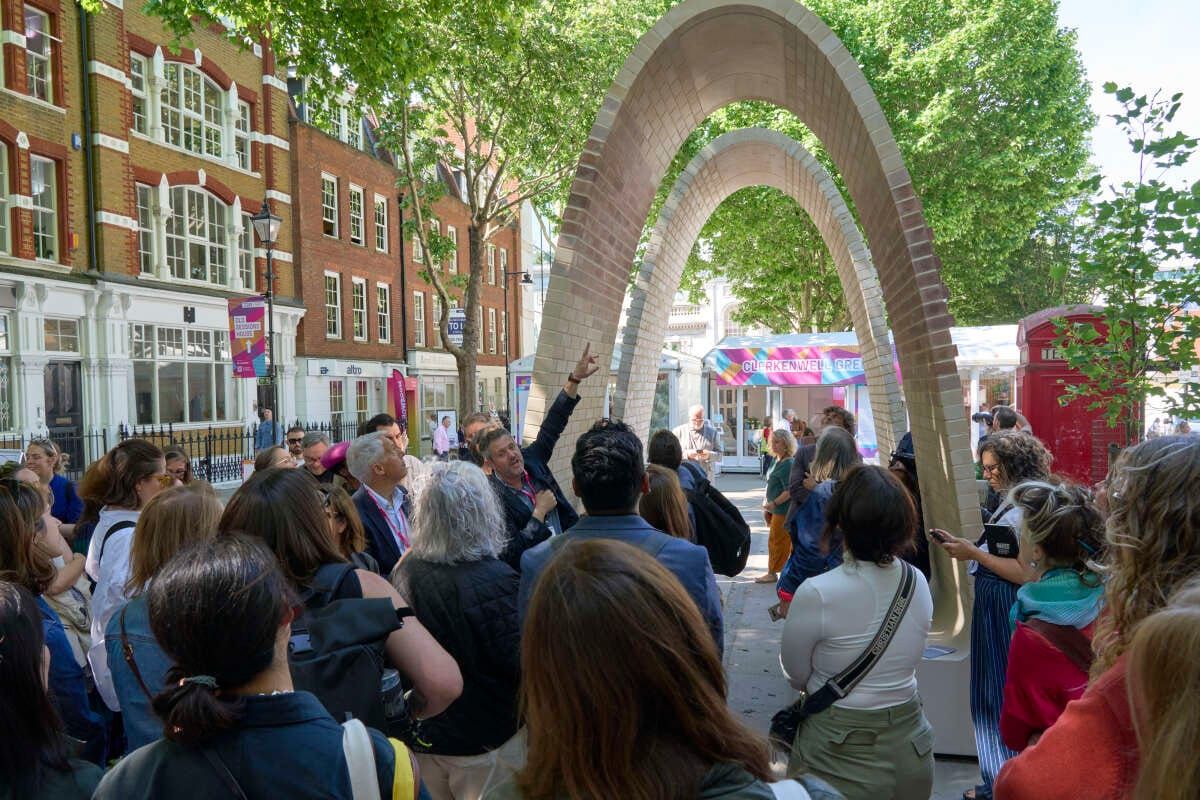
At Clerkenwell Design Week, the Arch Revival Pavilion wowed visitors with sweeping stone arches. Made from local stone, it uses far less carbon than clay bricks while staying strong and elegant, showing that sustainable design can be both beautiful and bold.
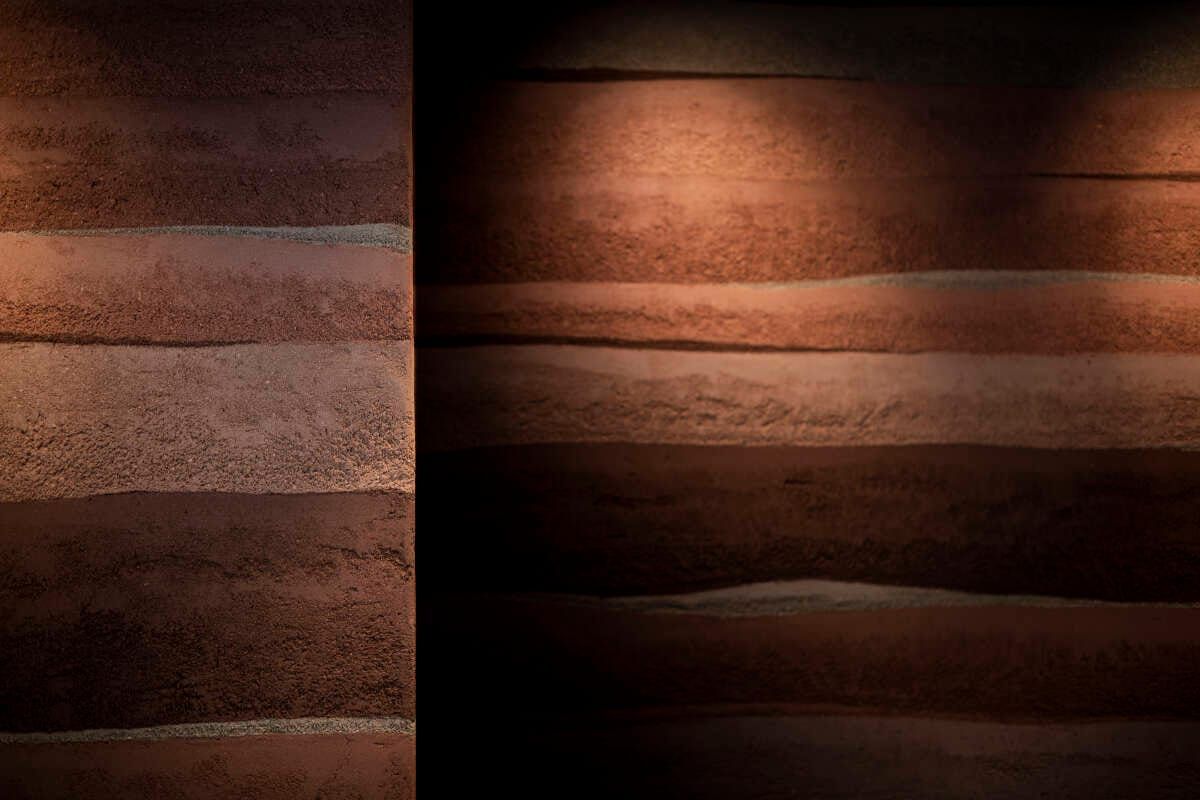
Today clay is experiencing a remarkable renaissance, establishing itself as an important part of the sustainable materials palette. This revival owes a great deal to Clayworks, the Cornwall-based company redefining the use of clay in contemporary design.
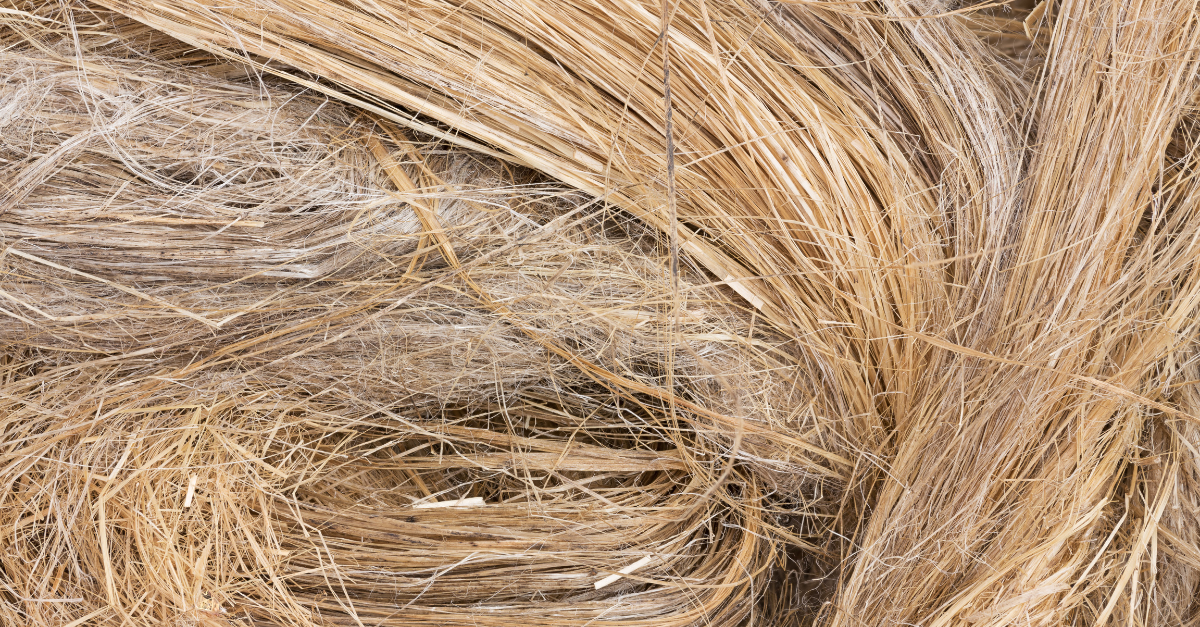
Thick stone walls, dense timber frames filled with straw, and packed-earth structures held in warmth through winter and repelled heat in the summer. These materials, raw, organic and local, were not chosen for their insulating properties alone but for their abundance and endurance.
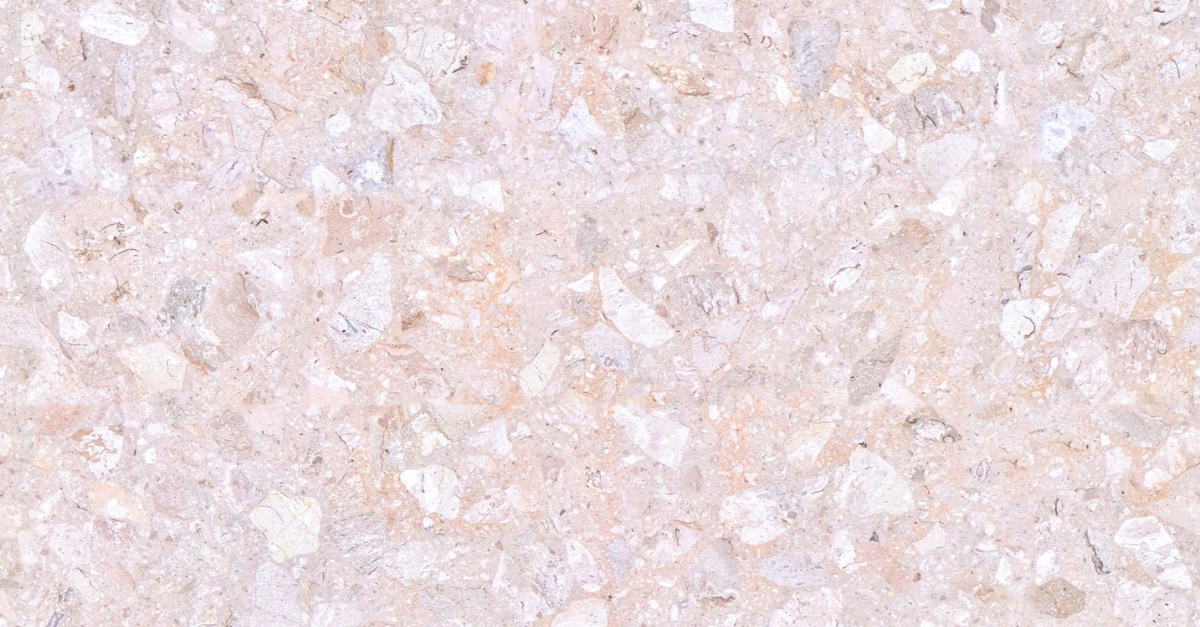
“People love stone” says Gavin Johnston, founder of Stone Curators. He should know, his opinion is one based on years of working with likeminded and appreciative clients who have tasked Gavin with finding exactly the right stone for their projects.
- All stories
- About us
- Architecture
- ARTX Community
- Books
- Brick
- Clay
- Concrete
- Cork
- Events
- Fabric
- Finishes
- Hot topic
- Insulation
- Interior Design
- Knowledge Library
- Landscaping
- Material Stories
- Materials In Motion
- News
- Organic
- Plugins
- Project
- Retrofit
- Sharing Stories With
- Stone
- Surfaces
- Sustainability
- Terrazzo
- Tile
- Tool tips
- User guide
- Wallpaper
- Wood