
Material Stories
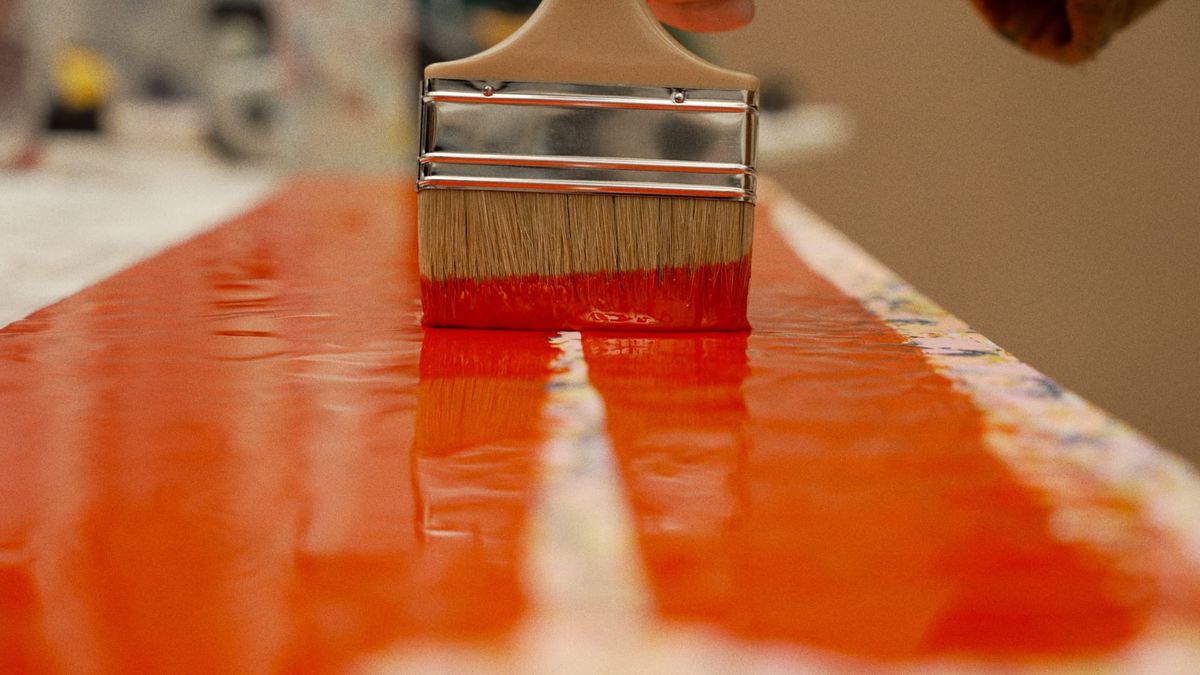
One evening, Simon was set to cook his hosts dinner. He opened a cutlery drawer to discover a pair of chopsticks. The chopsticks were unlike anything he’d seen before. Simon had discovered Tsugaru Nuri, a three-hundred-year-old Japanese lacquerware technique.
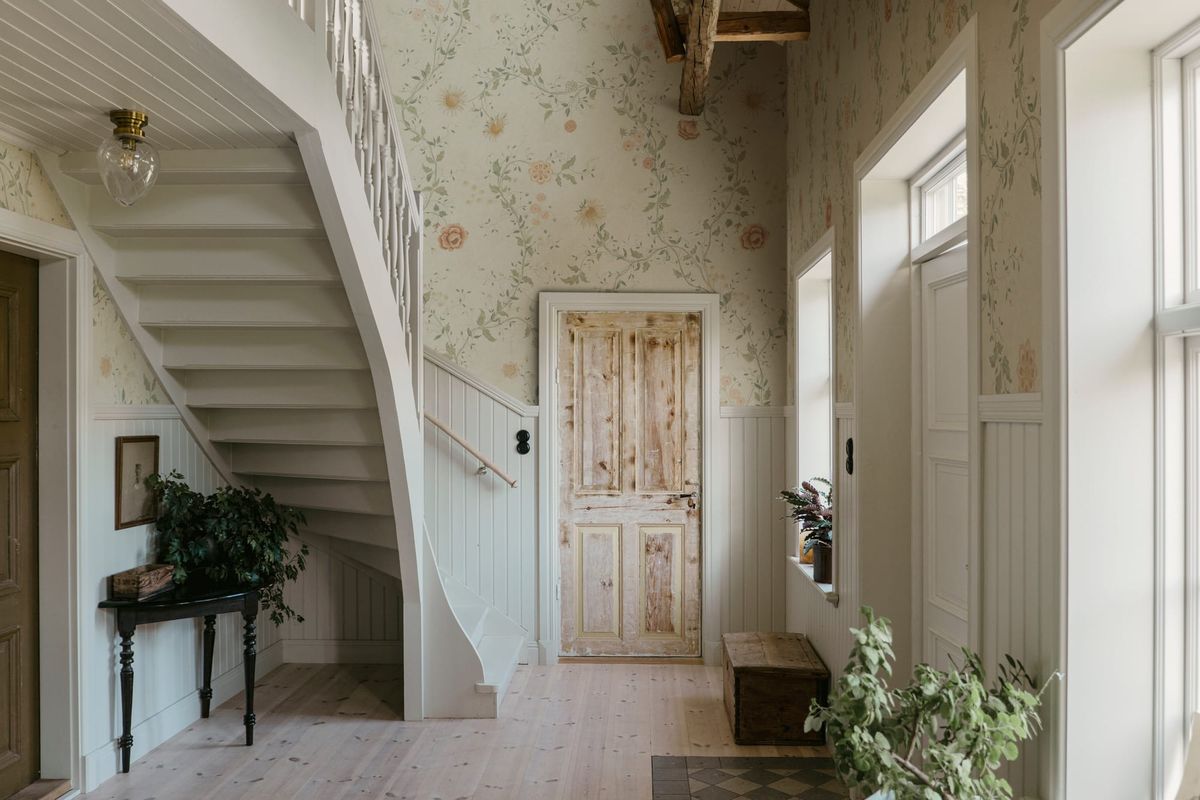
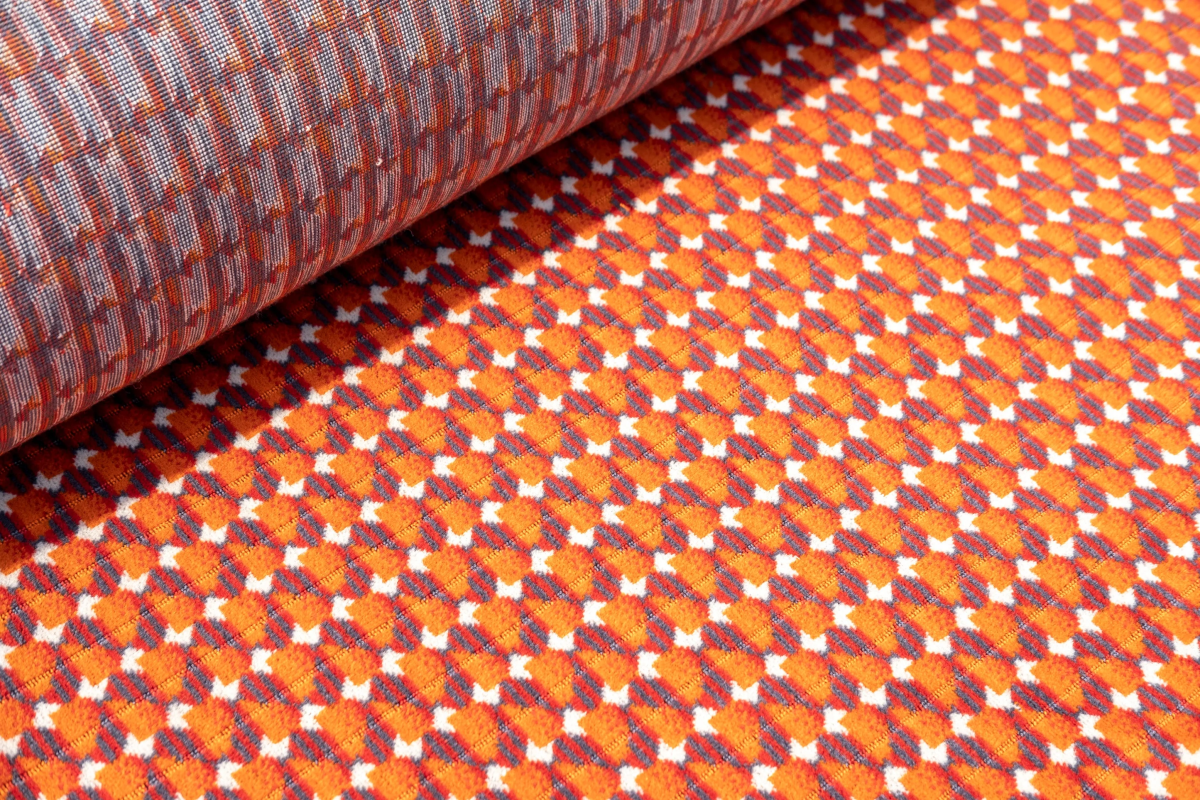
Sandberg Wallpaper was established in 1976 by the Sandberg family in Sweden, to create wallpapers and fabrics that blend classic designs with contemporary Scandinavian aesthetics.
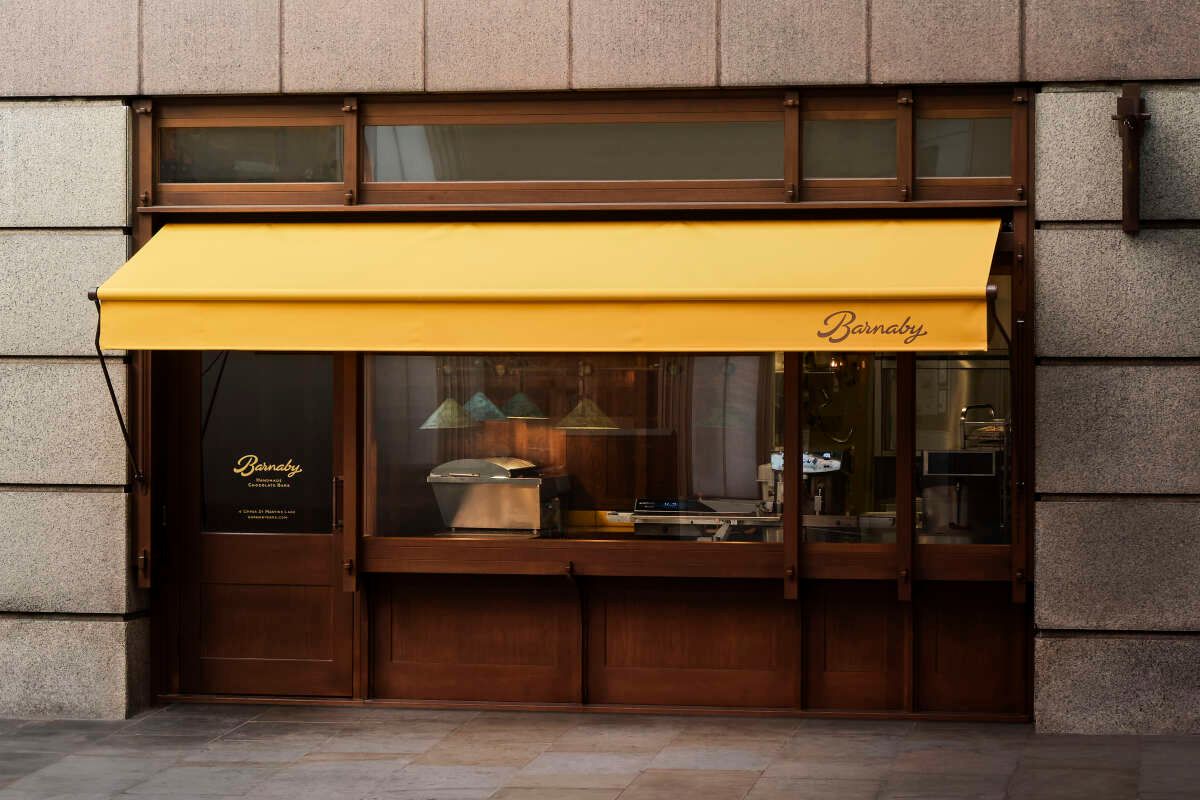
Barnaby opened its doors in June 2024 and is pulling in the crowds with a range of beautifully displayed chocolate bars housed in an exquisite interior by architectural practice Built Works, designed in collaboration with Morrisstudio.
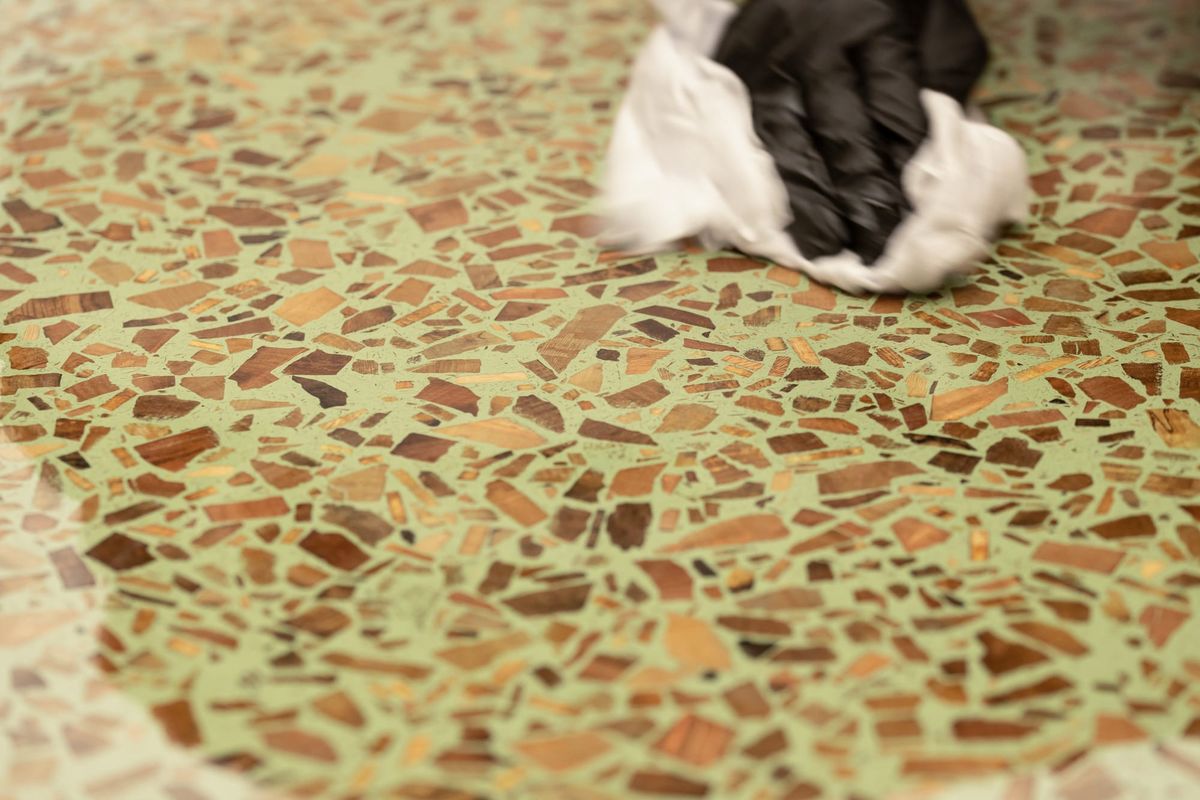
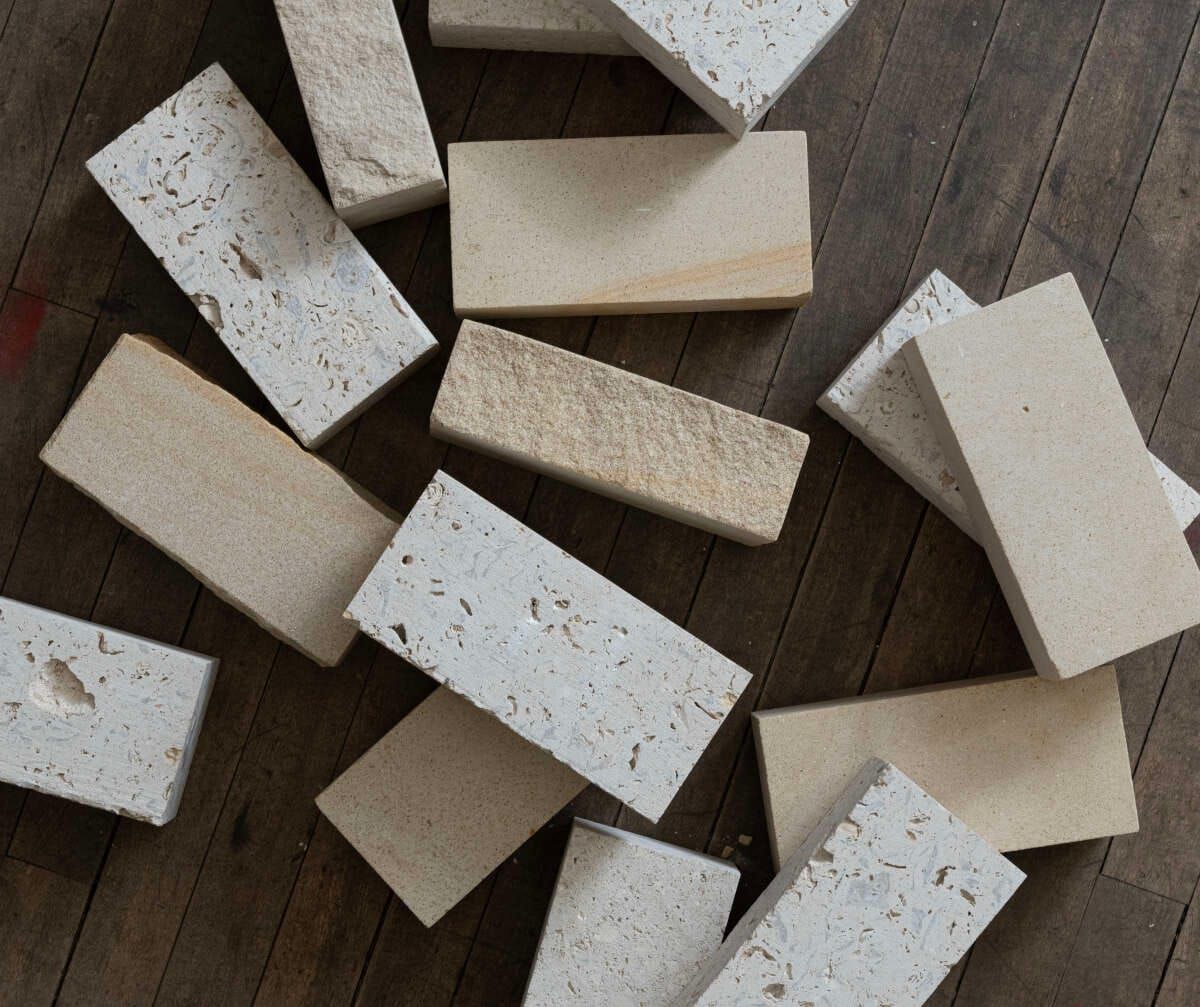
Terrazzo has a long history as a product of waste. It is in this vein that Foresso was created: transforming discarded wood into a durable and useful material that is built on circular design principles.
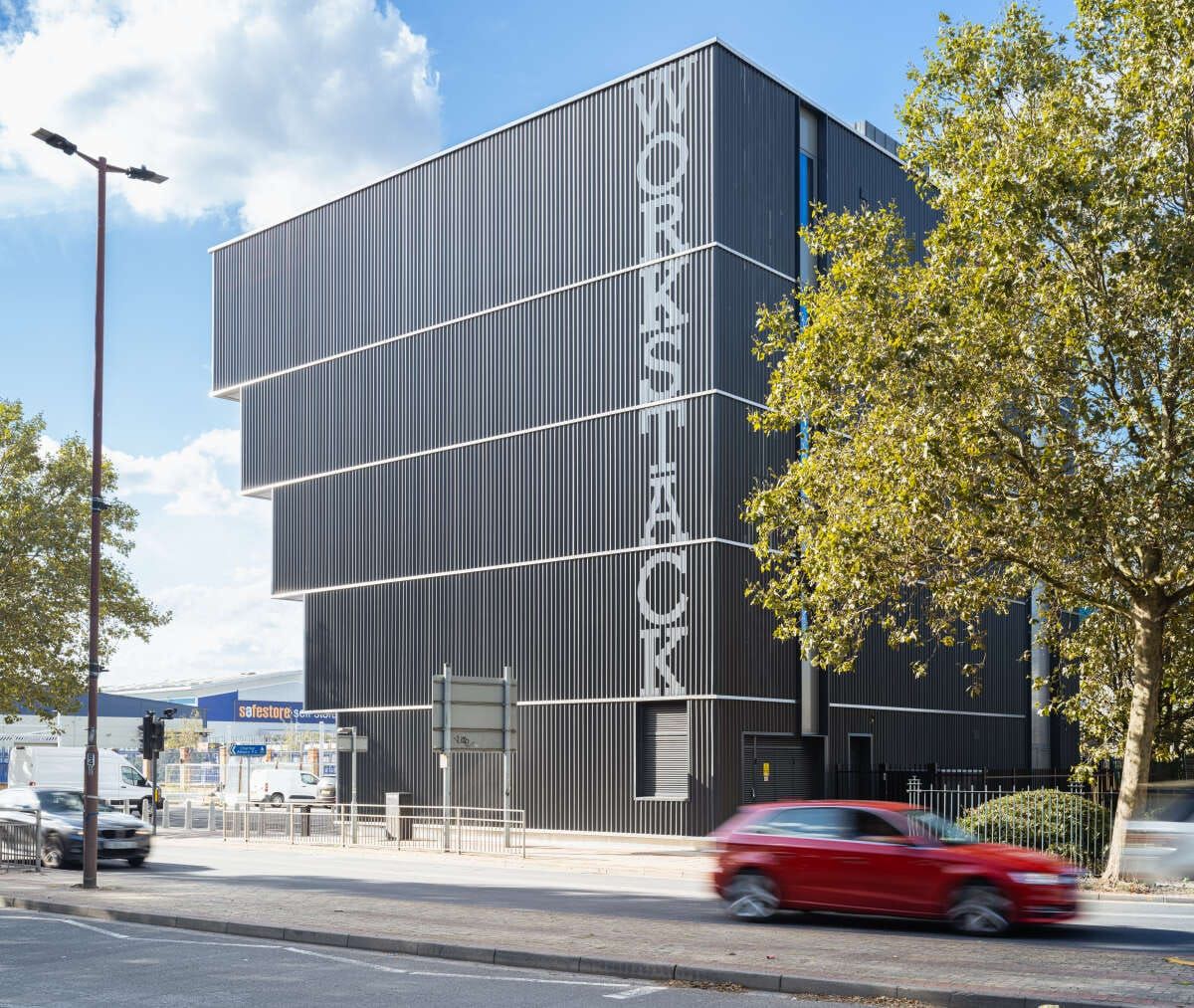
Alex de Rijke and his practice dRMM have extolled the virtues of working with wood since their formation in 1995. WorkStack, completed in 2024 and already winning awards, is an admirable example of how dRMM push the boundaries of what is possible with timber construction.
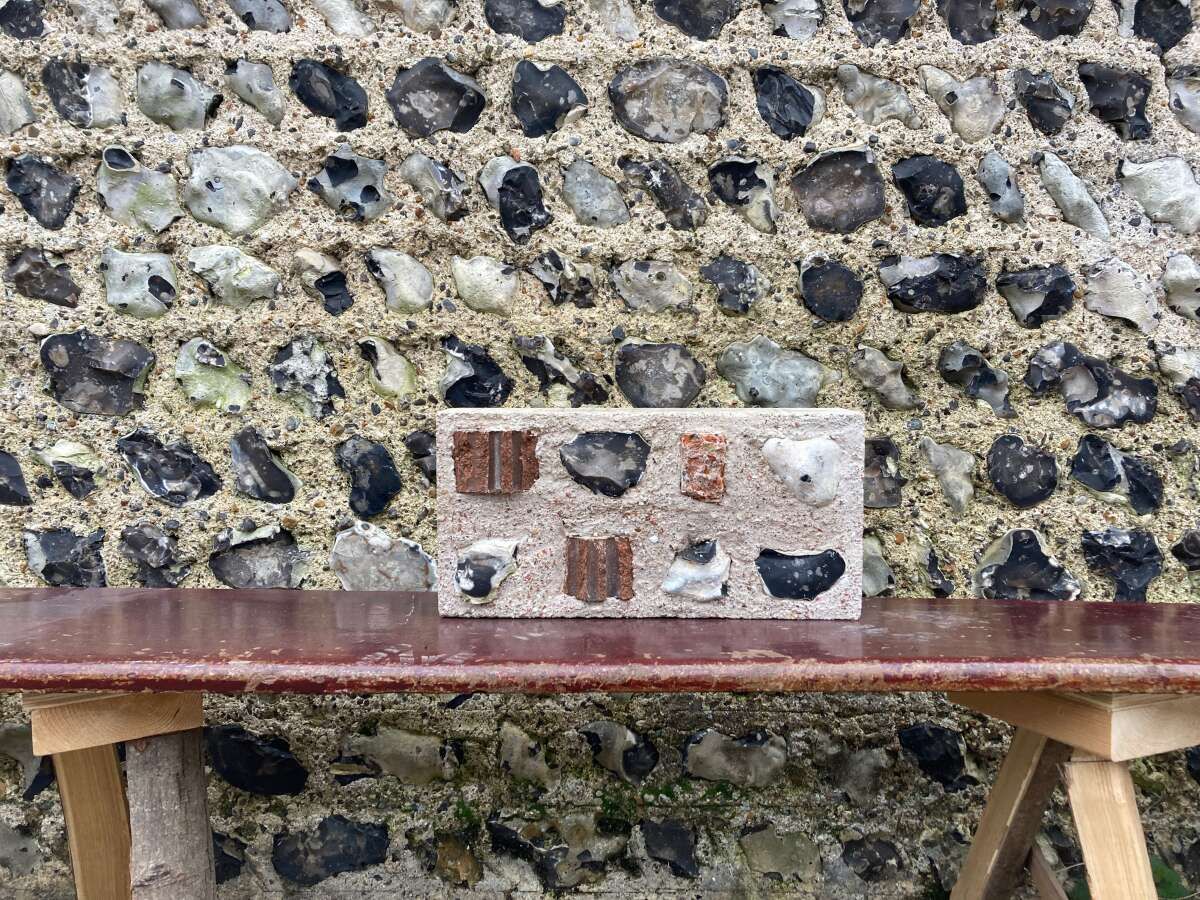
Building sustainably at scale is still viewed as problematic, with concrete and steel seen as a default for larger developments by a risk averse construction industry but the 19th century builders of Brighton had totally nailed it with bungaroosh.
Nikolay Shahpazov is a man on a mission to change our preconceptions that sustainable materials are challenging to use at scale.
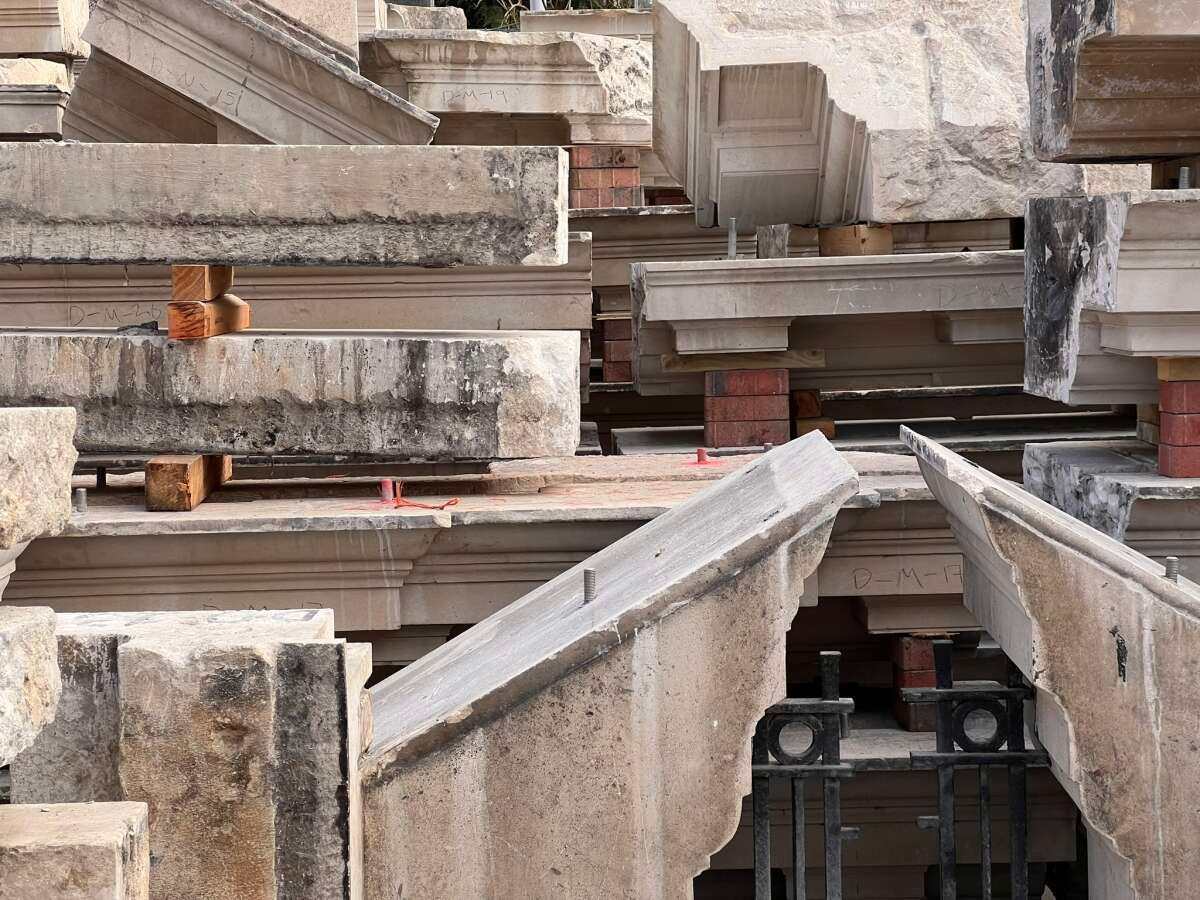
Paye Stonework and Restoration, founding members of The Stone Collective and leading stonework and restoration contractors, have seen a huge growth in interest around the benefits of Spolia.
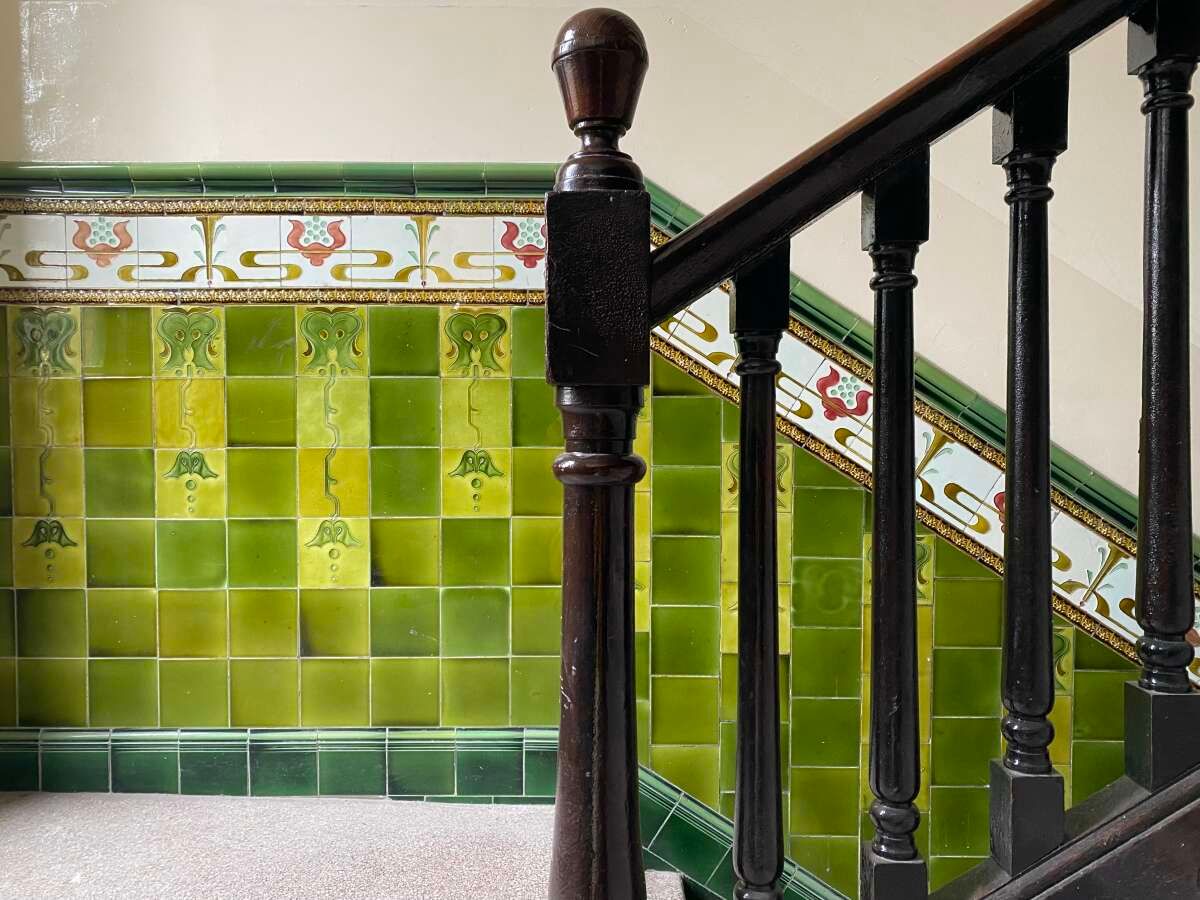
The now famous Wally closes of Scotland, with their stunning tile-lined walls, are a legacy of the fight against the unsanitary in the 1800s.
I am an interior designer, born and raised in London who went to Scotland in 1988 to study at Glasgow School of Art. One of the things I first experienced was the subway, known locally…
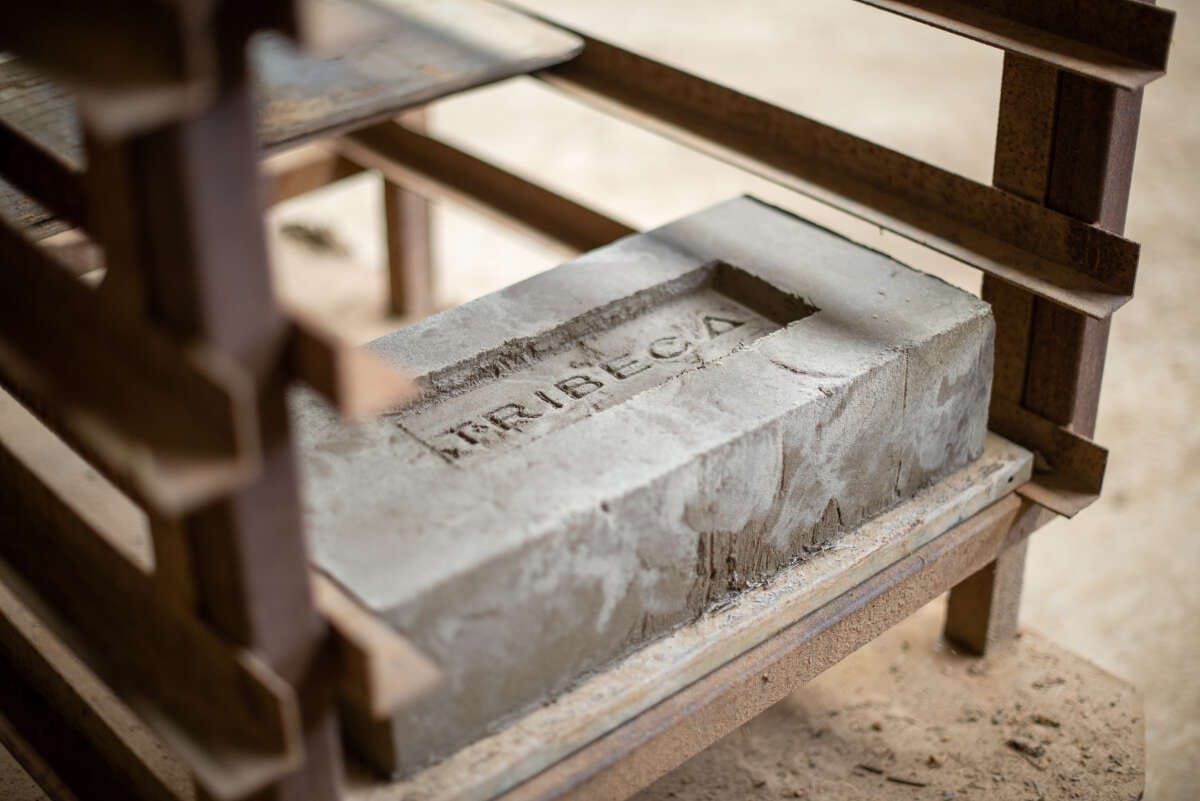
Time is running out. It is becoming apparent that if the construction industry’s contribution to reaching government targets of net zero by 2050 is to be achieved, radical action is called for. Old carbon intensive practices need to go. One solution seems staggeringly simple.
From the cutting devices employed by 17th-century water mills to the cable wire cutting saws, steam-powered planers and industrial tip blades used to increase the speed of cutting granite and marble of the 1900s, the stonemason has never shied away from progress.
- All stories
- About us
- Architecture
- ARTX Community
- Brick
- Clay
- Concrete
- Cork
- Events
- Fabric
- Finishes
- Insulation
- Interior Design
- Knowledge Library
- Landscaping
- Material Stories
- Materials In Motion
- News
- Organic
- Project
- Retrofit
- Sharing Stories With
- Stone
- Surfaces
- Sustainability
- Terrazzo
- Tile
- Wallpaper
- Wood