Featured
California’s quiet revolution - Hafsa Burt, founder of hb+a Architects
Vanessa Norwood sat down with Hafsa Burt, Californian architect and founder of hb+a Architects to discuss the practice’s environmentally focused work. Spanning policy, prototyping, and practice, Hafsa has quietly and persistently pushed sustainability from the margins into the heart of architectural thinking.
Vanessa: What was your introduction to sustainability?
Hafsa: I used to work in large studios, and sustainability wasn’t really embedded in the work, the focus was on personal expression. It wasn’t seen as a priority. Personal interest in climate focused work led me to start my studio in 2006.
One of my early projects was a small retail store called Vintage Alley in the east bay. The budget was incredibly tight, so we had to think differently. There is this amazing yard where people would drop off unwanted items - essentially other people’s junk - and we started going there to source materials we could repurpose.
The clients really bought into the idea. We ended up doing things like turning car pistons into pulley hooks and repurposed found metal scraps into retail fixtures. At the time, buildings supporting a circular economy through reuse was not a widely common goal.
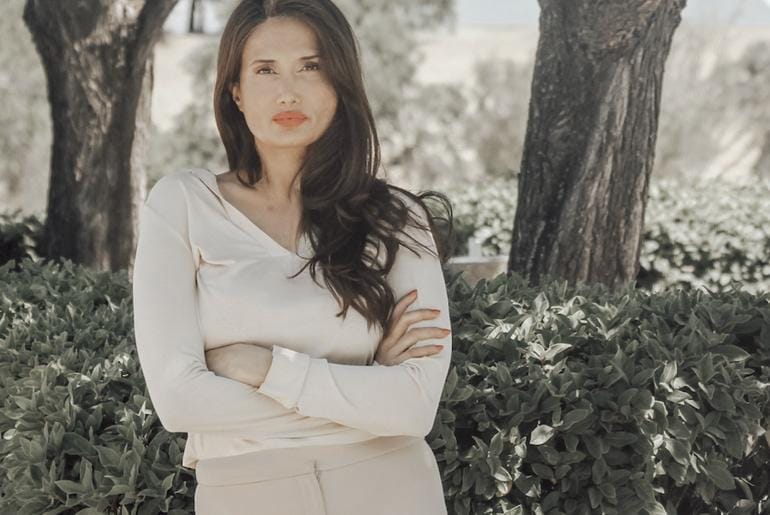
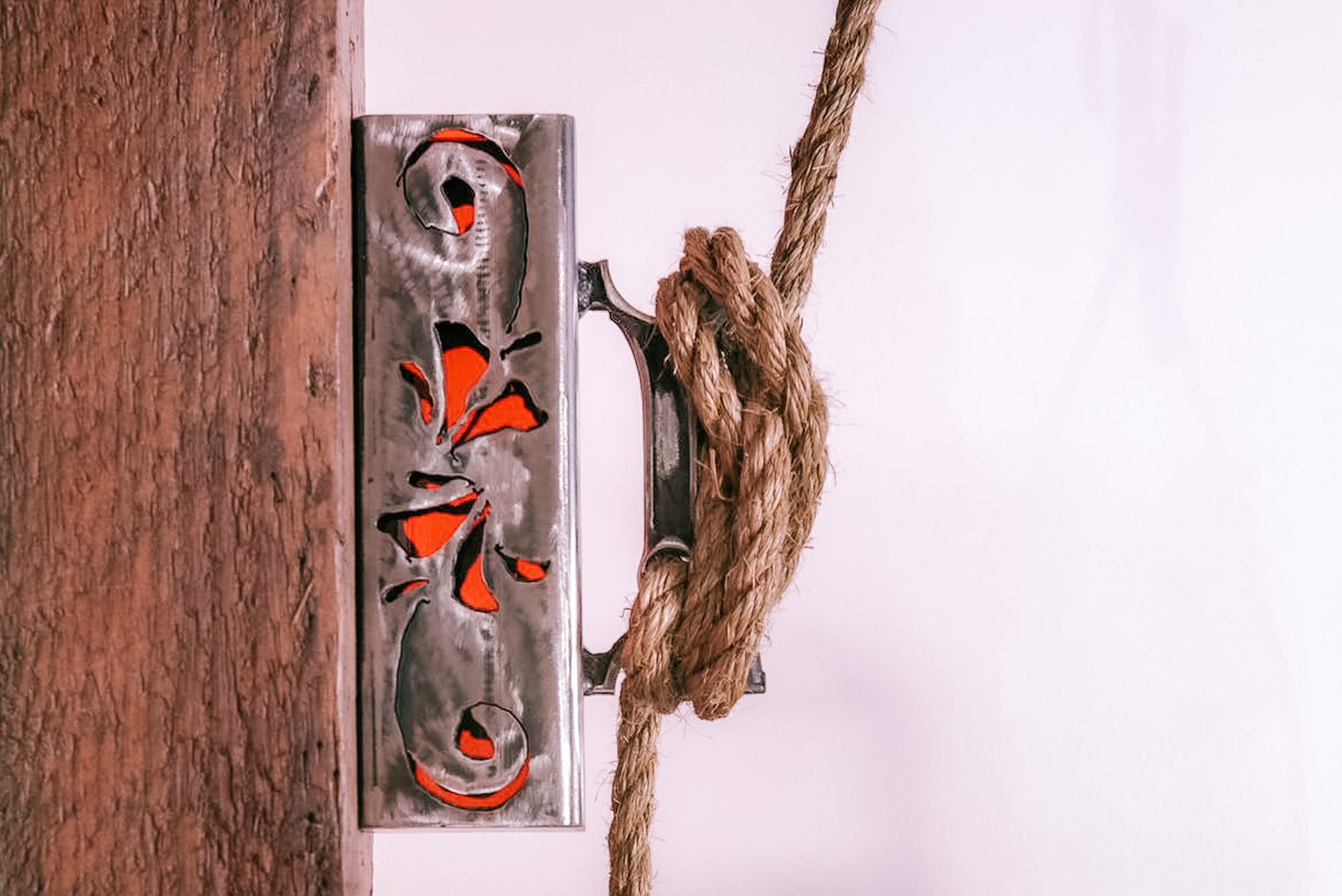
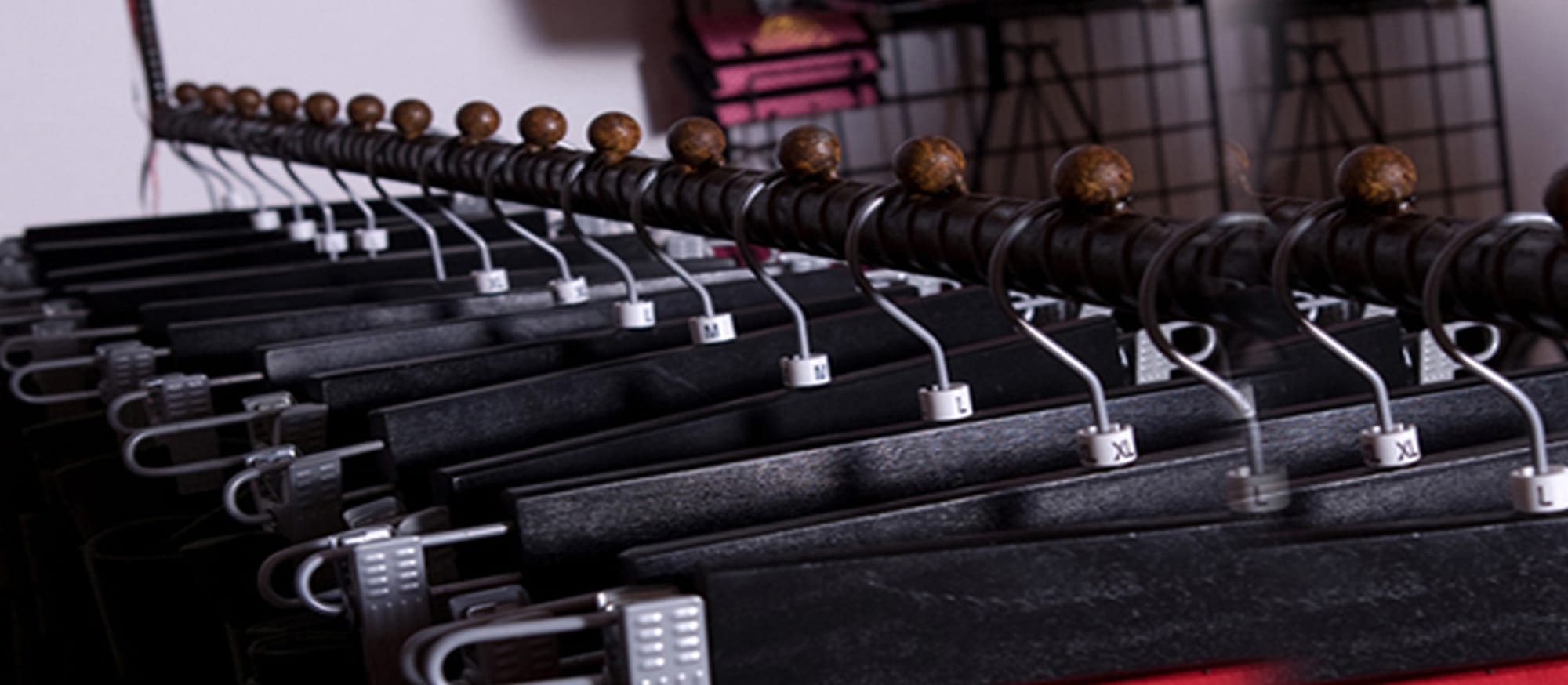
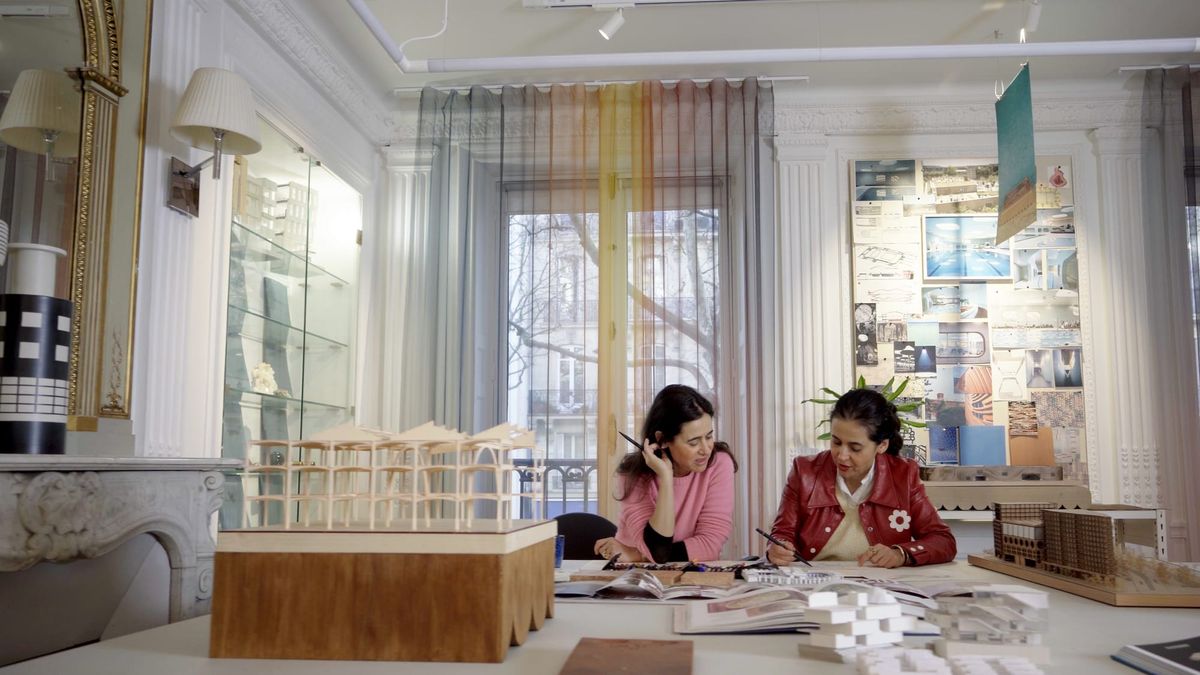
Left: Hafsa Burt; Middle and right: Vintage Alley fixtures | Images credit: hb+a Architects
Vanessa: It feels like you were ahead of your time with that approach.
Hafsa: It didn’t feel like that at the time, it felt like resistance. That’s actually part of why I left those larger studios. I wanted to focus on climate conscious design as our ethos. At the same time I also got involved with policy and advocacy including local green building ordinances, policy that affects the built environment and California’s first green building code. My thinking was: if it’s mandated, then it becomes non-negotiable for all project types.
Being in California, and especially the Bay Area, helped. The policy environment is quite progressive and that drives practice. For example, in San Francisco we helped advocate for All Electric Reach Codes (more advanced local jurisdictional requirements than the State building codes) mandating all electric systems as a strategy for decarbonising the built environment, construction waste diversion, and so on. I was part of those conversations and policy advocacy. I was also part of the very ambitious group that wrote and advocated for the first in nation embodied carbon reduction measures as part of our Green Building Code.
Now, just a couple of years later, you hear terms like GWP (Global Warming Potential) relevant to building materials become more mainstream. That shift has been quite dramatic and rewarding.
Vanessa: It does feel like policy has to lead, otherwise it’s too easy not to act.
Hafsa: Exactly. If it is mandated, there isn’t a reason to not comply and bring these principles into your developments.
Now when I go to national conferences, manufacturers are actively looking at California. They want to understand where policy is heading so their products can align with that. So you start to see this feedback loop between policy and industry.
Vanessa: I wanted to ask about BOX LAB - did that project grow out of those same questions?
Hafsa: Very much so. It started from a personal interest in testing available construction technologies and creating scalable zero energy, low impact and reuse case studies.
Box Lab is essentially a research and development arm I started in 2019 to build prototypes and test available technologies through a whole building life cycle lens.
One of our first projects is a flex space resilience hub called Box Factory near Kirkwood, Northern California in a wildfire prone region with a nine acre site, mostly forest, with wildlife and a running creek. I wanted to preserve as much of that as possible, so we built on an already graded portion planned for a 2 storey residential building.
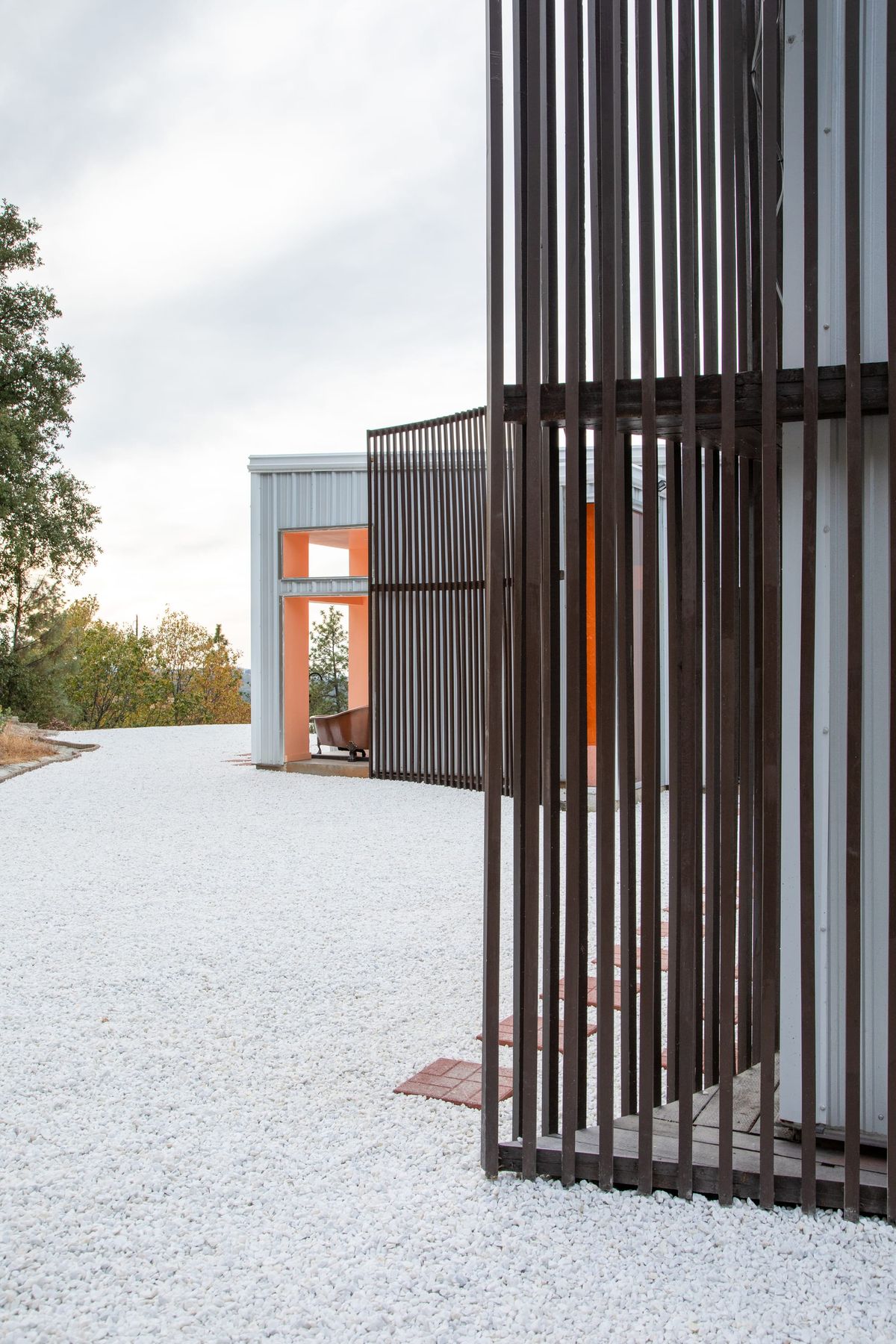
The building itself is a single storey, prefabricated structure. The structural and enclosure components were assembled in under 12 days. It’s all electric, with high COP heat pumps, ceiling fans but more importantly, it’s designed passively first.
It’s oriented to sun paths and wind direction, so on many days you don’t even need mechanical systems. You open the windows, run the fans, and the flush of fresh air creates a comfortable indoor environment. We started with one solar array and expanded to three, creating a microgrid on site.
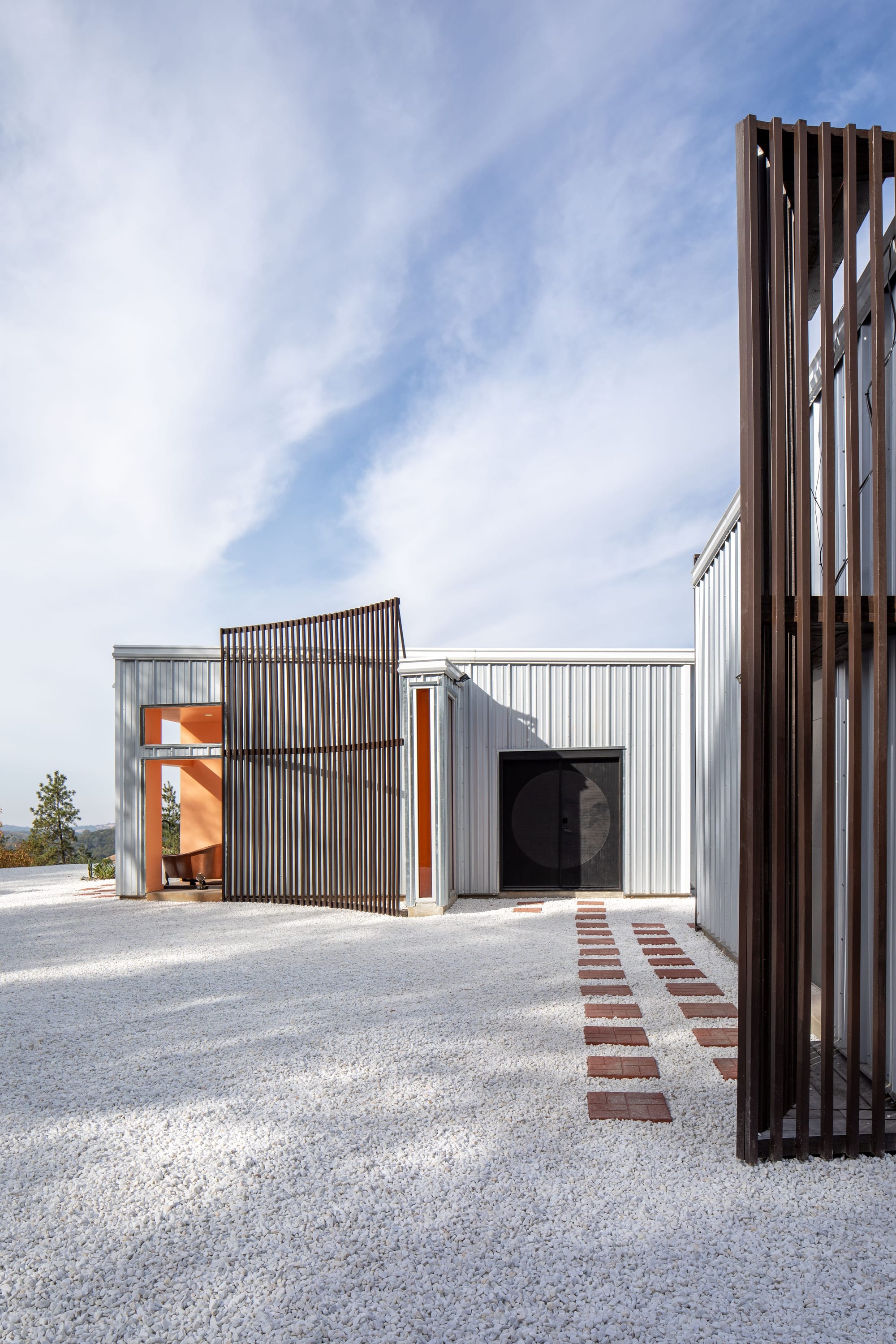
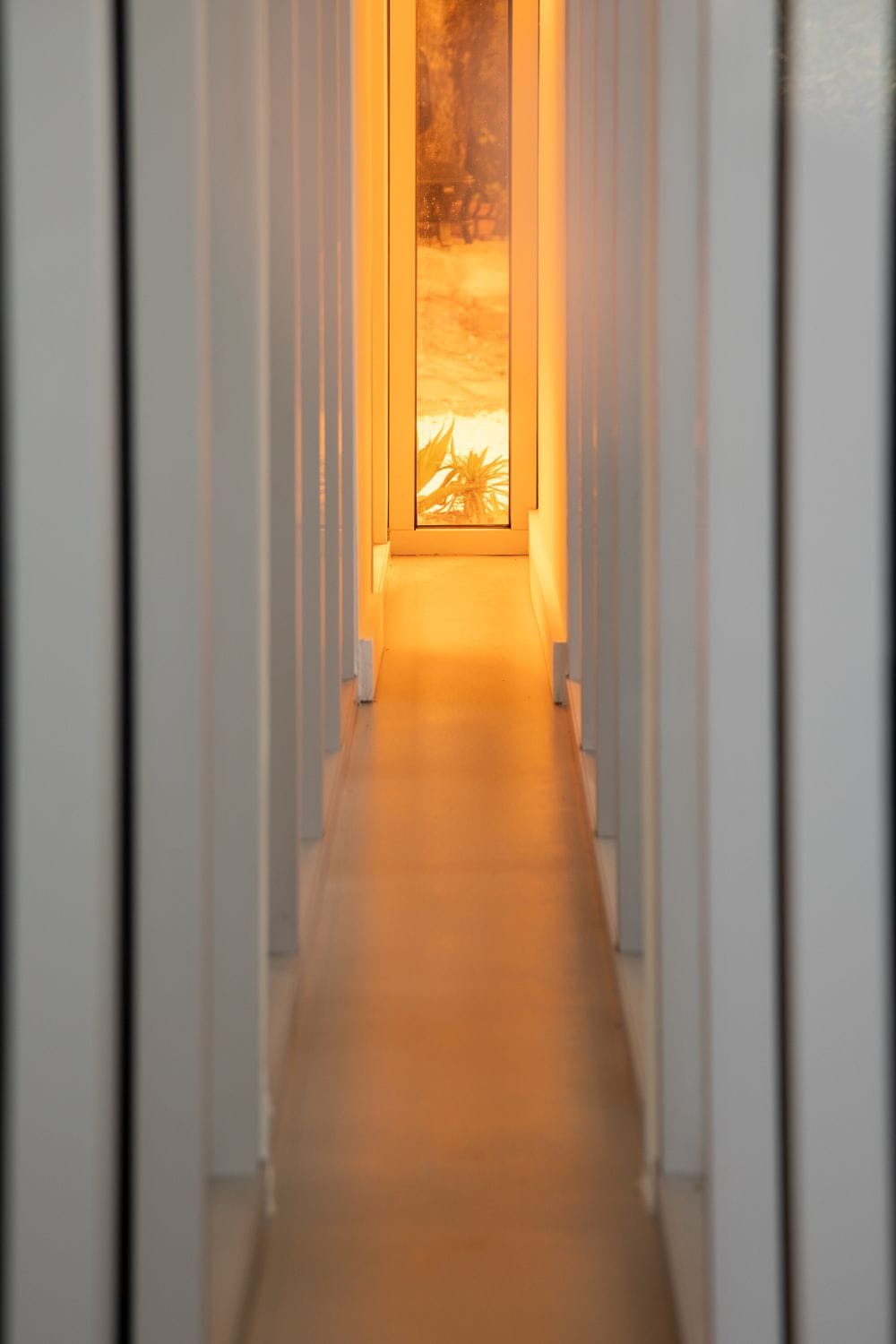
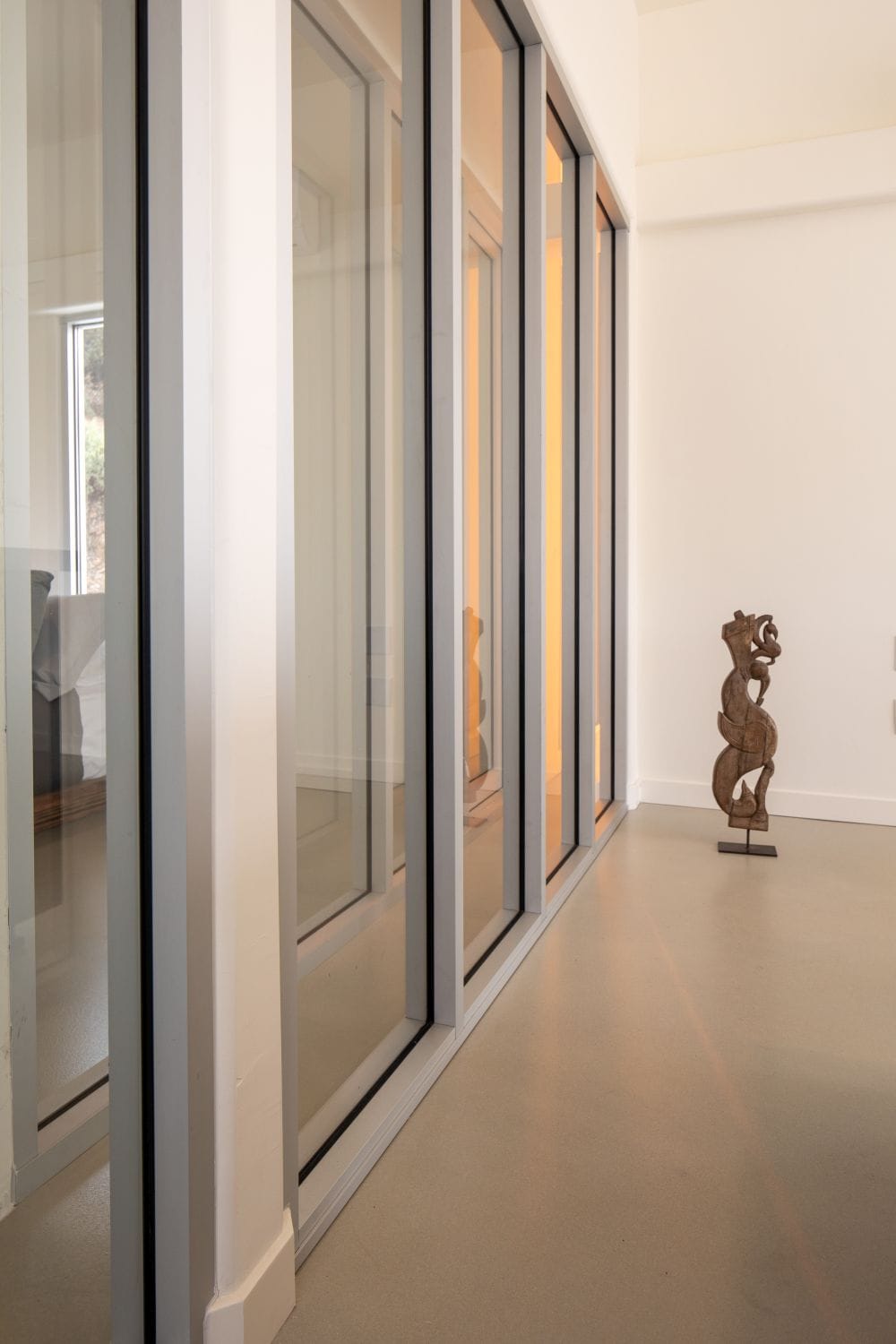
Box Factory | Images credit: Doug Birnbaum
Vanessa: And this was testing performance in a more extreme climate?
Hafsa: Yes, that was key. The area has very hot summers and very cold, snowy winters. Heat pumps are often assumed to work best in moderate climates, so I wanted to test them under stress. Six years ahead the project aligned with LEED’s recently released resilience measures.
Vanessa: Has it been tested in real-world conditions?
Hafsa: It has. In 2022, there were wildfires in Amador County that burned over 4400 acres. The area experienced power outages, but Box Factory remained operational because of the microgrid and passive principles.
It became a de facto resilience hub. We were able to host families who had evacuated. That was a real moment of validation - it wasn’t theoretical anymore as it served its purpose
Vanessa: Do you see that model being replicated more widely?
Hafsa: I would love to see it replicated at different scales. The idea is that it’s flexible - it can function as residential, commercial, or a community/gathering hub.
We’ve also done two historic renovations in marginalised communities. These were abandoned structures that had been vandalised and have now become economic drivers in those towns bringing vitality back to the commercial downtown core, with more businesses following the lead.
There’s also a smaller residential prototype we have developed. Construction wrapped up last fall that explores a minimum viable footprint for living. It’s connected to the microgrid, uses no fossil fuels, and includes rainwater harvesting that feeds into an on-site reservoir. I’m just waiting for a beaver to call it home.
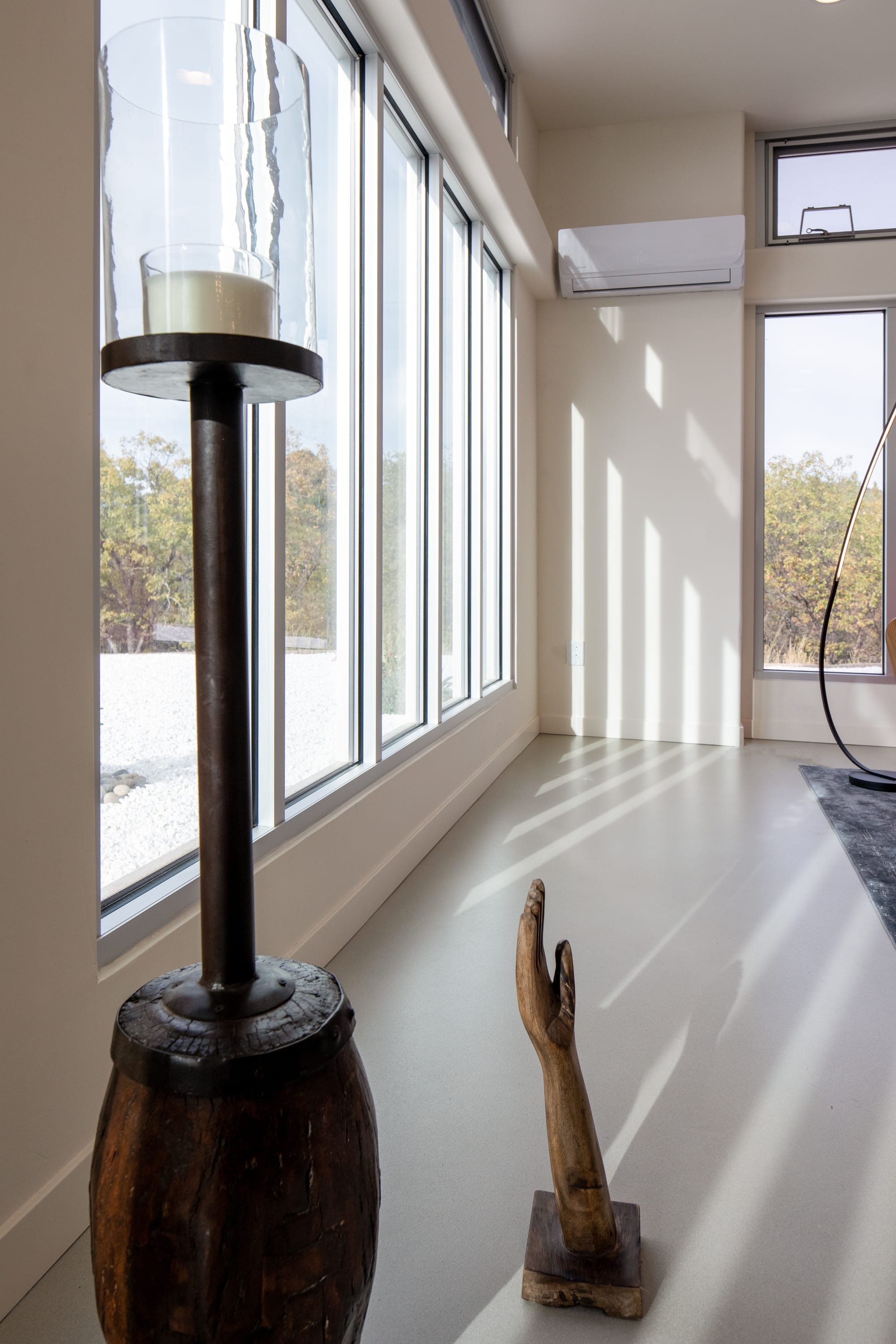
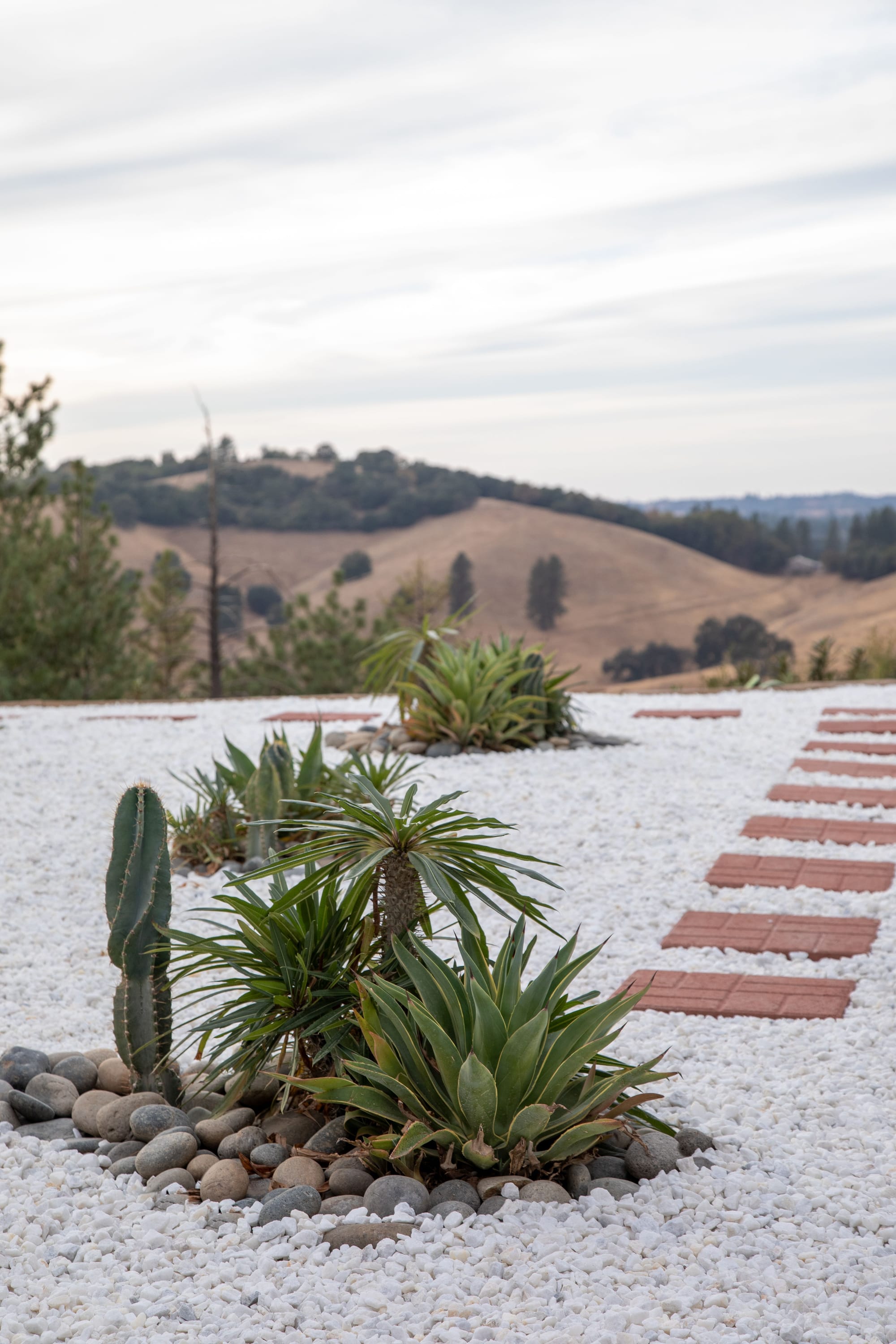
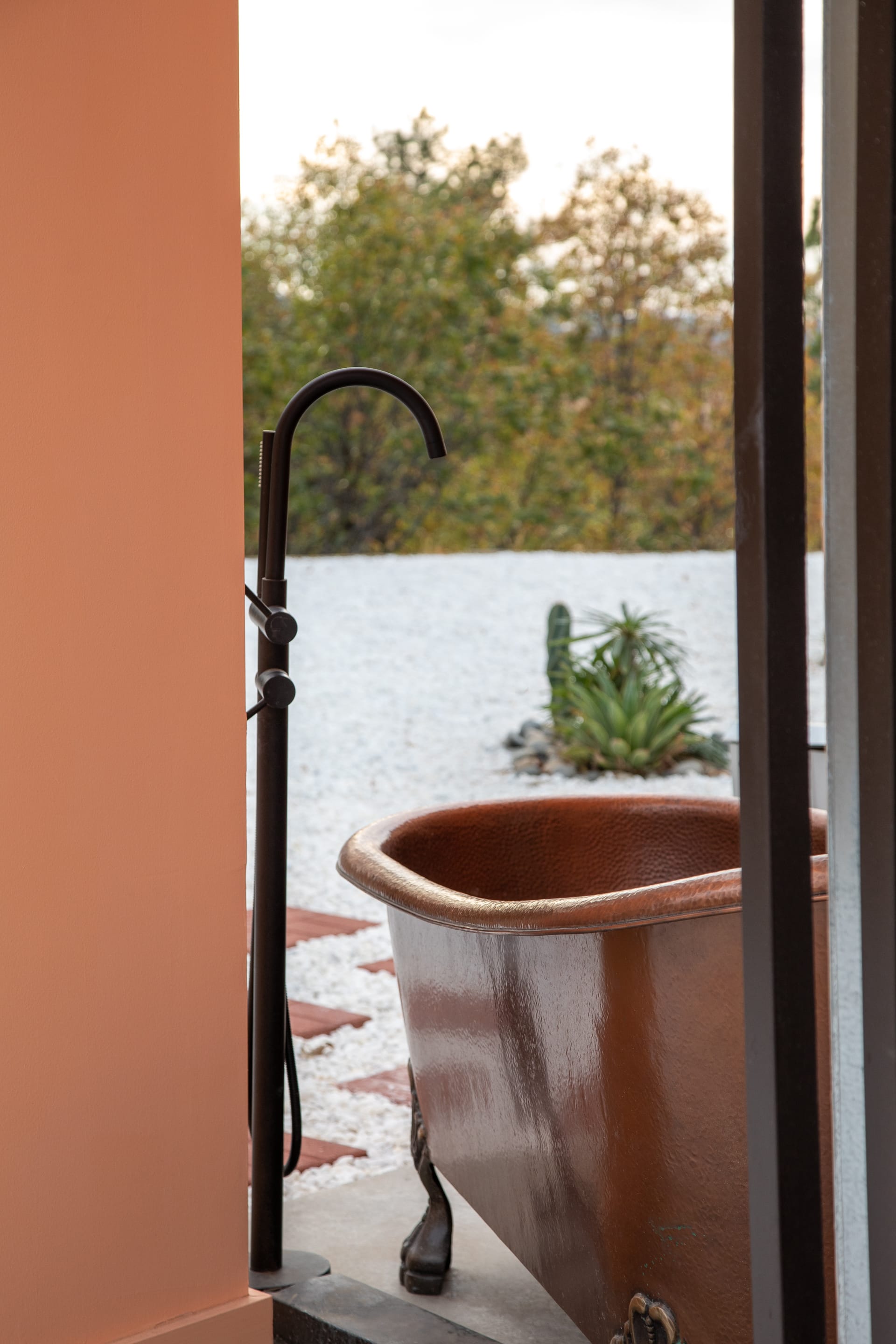
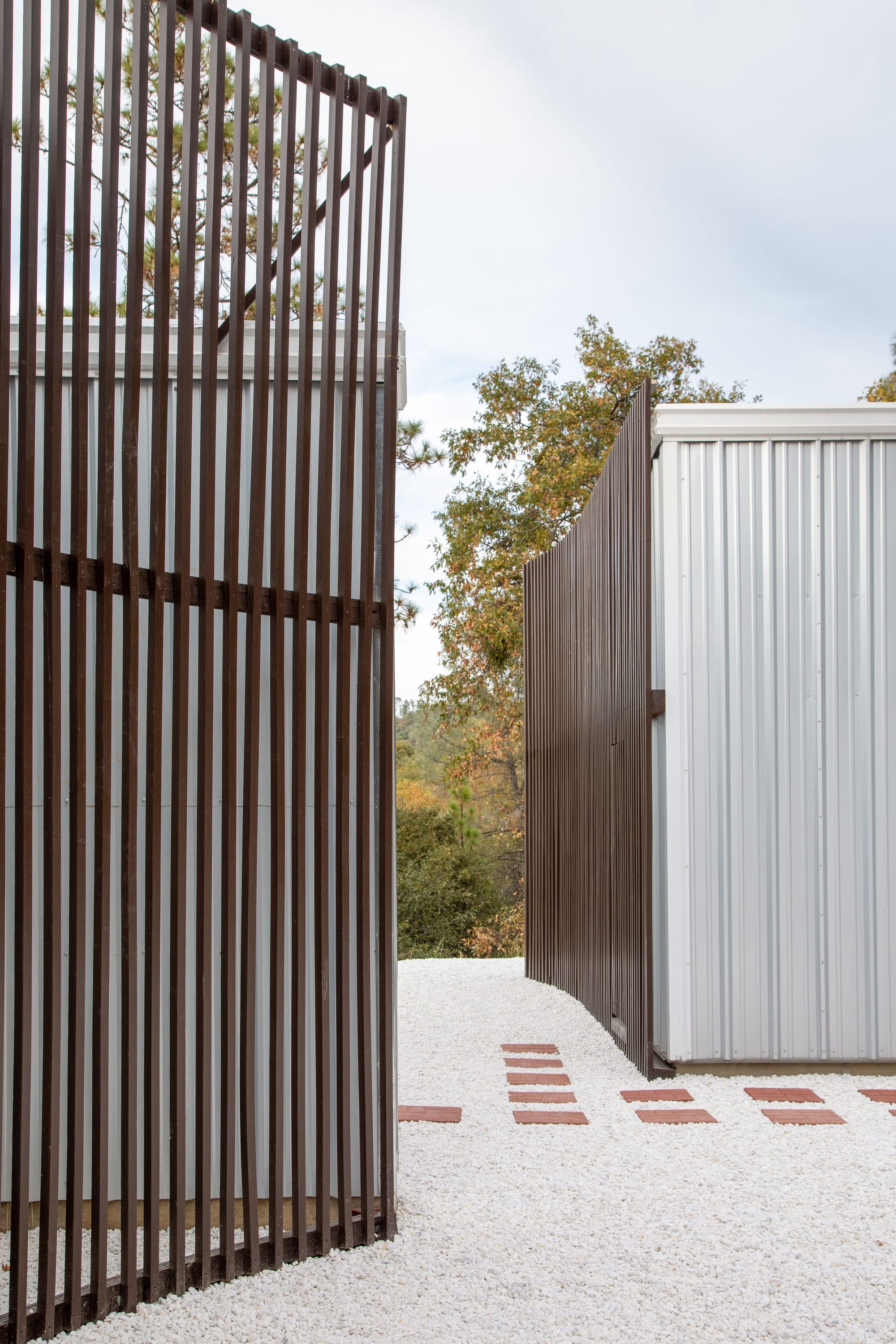
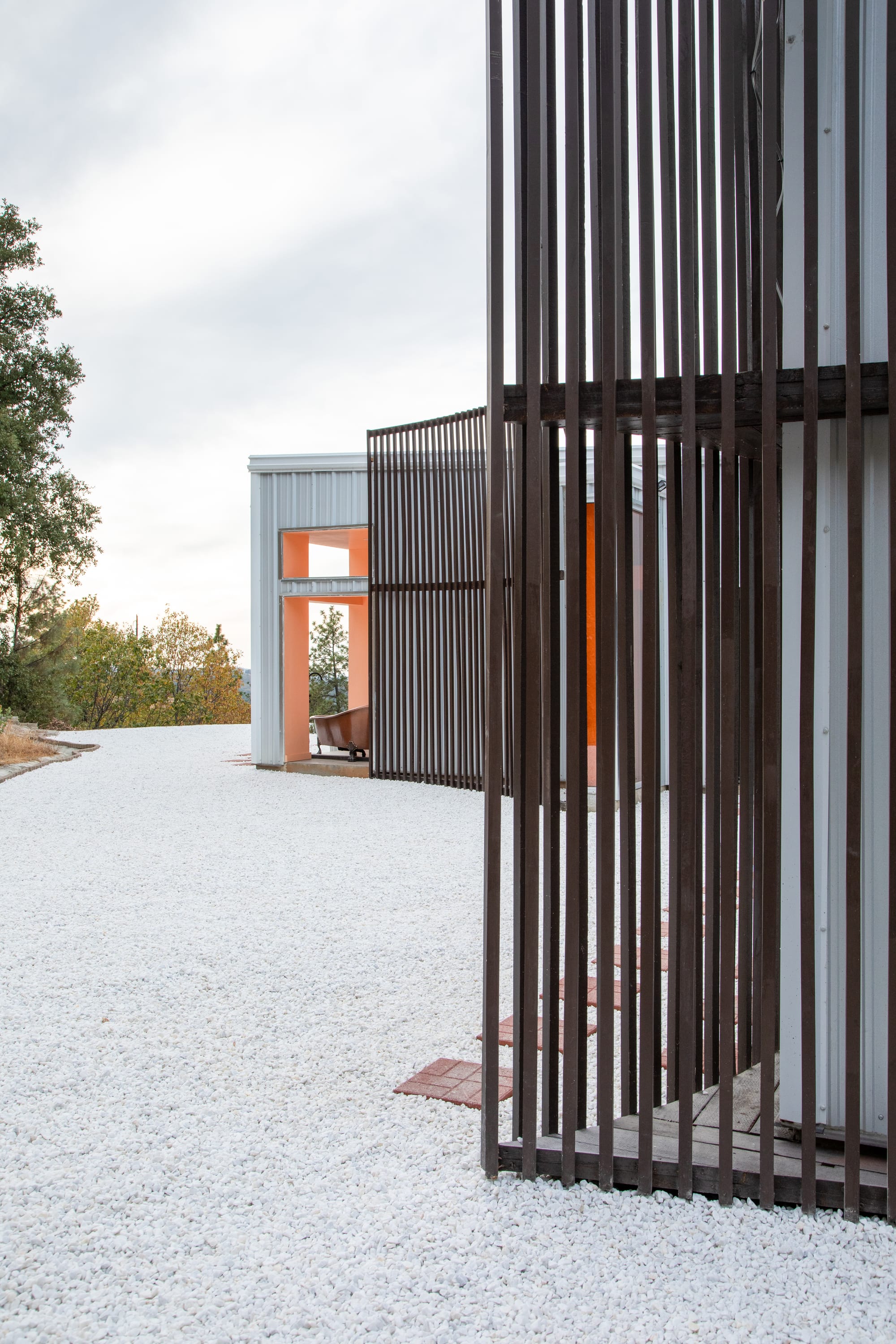
Box Factory | Images credit: Doug Birnbaum
Vanessa: There’s a strong use of natural materials in your work. I was looking at your medical office project - can you talk about how you see the relationship between materials and wellbeing?
Hafsa: That project was part of a downtown revitalisation effort in the Bay Area in 2015. It was a conversion from a standard 3 storey vacant commercial building into a medical office where procedures like eye surgery could take place and needed to meet technical requirements associated with medical use
When I visited their previous facility, it felt very sterile with no natural light, no warmth, very clinical in a negative sense. I wanted to shift that towards something more like hospitality.
We introduced a curved timber ceiling for their lobby, customising the space for branding, warmer lighting, and maximised natural daylight within the constraints of the existing structure. Even the landscaping is drought resistant.
For me, health and wellbeing started as a focus back in 2009 looking at factors that affect the indoor environmental quality. How does a space feel? What are the light levels, the acoustics, emissions from construction materials, air exchange rate, access to daylight and so much more.
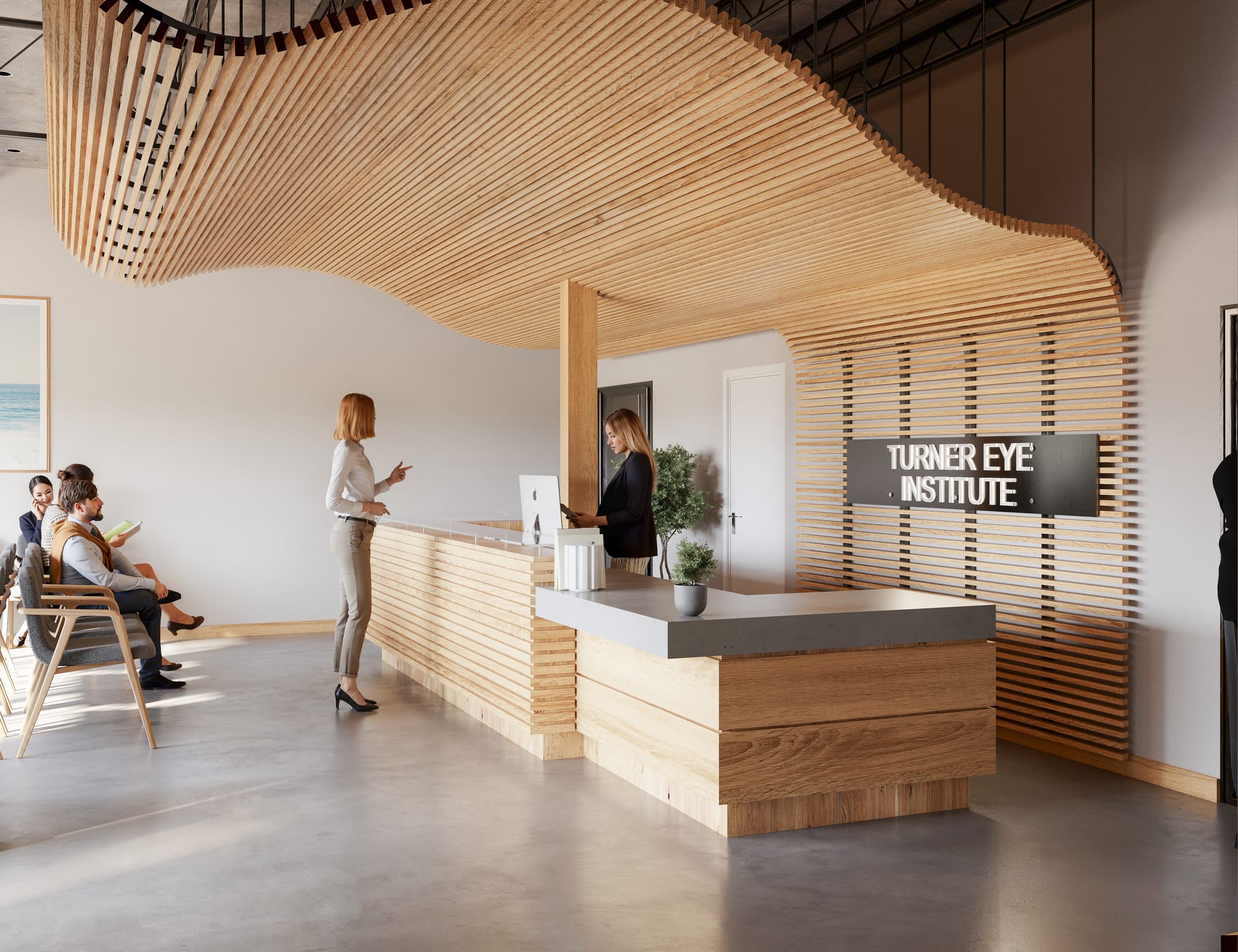
Turner Eye Institute | Image credit: hb+a Architects
Vanessa: How did you get into that level of material research so early?
Hafsa: My father worked in forest conservation, and I was exposed to dinner conversations about drought resistant methodologies and more. When I started my advocacy about Indoor Air Quality it stemmed from personal research led interest with a toddler at home. Back then, I was dissecting MSDS (Material Safety Data Sheet) data on finished products for colleagues and peers and breaking down marketing claims associated with such products. This led to developing performance specifications that became part of contract documents focused on lowering emissions from indoor environments. Conversations centered around this topic led to over a hundred peer advocacy seminars including large architectural studios inspiring some to open a department focused on healthy buildings.
Vanessa: There’s still a lot of confusion around materials, especially with things like concrete.
Hafsa: Yes, there are a lot of misconceptions. People will say they’re sustainability-focused but then default to high-carbon materials without questioning it.
Concrete, for example, has a massive carbon footprint. Low-carbon alternatives exist, but they require collaboration, working with structural engineers, experimenting with mixes on site, working closely with producers to see what is available locally and realistic replacement rates.
With newer technologies like 3D printing, if you’re still using conventional concrete, you’re not really solving the climate problem.
Vanessa: So where does your interest lie now?
Hafsa: I’m increasingly interested in low-tech, bioregional approaches. Architecture that doesn’t rely heavily on systems, a system-less approach of sorts. That means learning from local and indigenous techniques with methods that are deeply rooted in place and climate.
I proposed a project a few years ago that used passive strategies entirely, no mechanical systems, just orientation, materiality, and environmental response. There’s so much knowledge in those traditions, but we’ve lost a lot of it. At the same time, marketing claims using terms like ‘regeneration or resilience’ loosely create a hurdle in the way of good work.
For me, true regeneration has to be rooted in the land, in the specifics of a place.
Vanessa: If you could pursue one direction next, what would it be?
Hafsa: I’d love to work globally, learning from different bioregions and building with local techniques - really low-tech, passive, resilient systems. Not importing a set of technologies but responding to what’s already there; climate, materials, culture. My ultimate goal is bioregionally focused design rooted in the land taking a page from indigenous construction means and methods exploring the concept of shelter in its truest form.