All stories
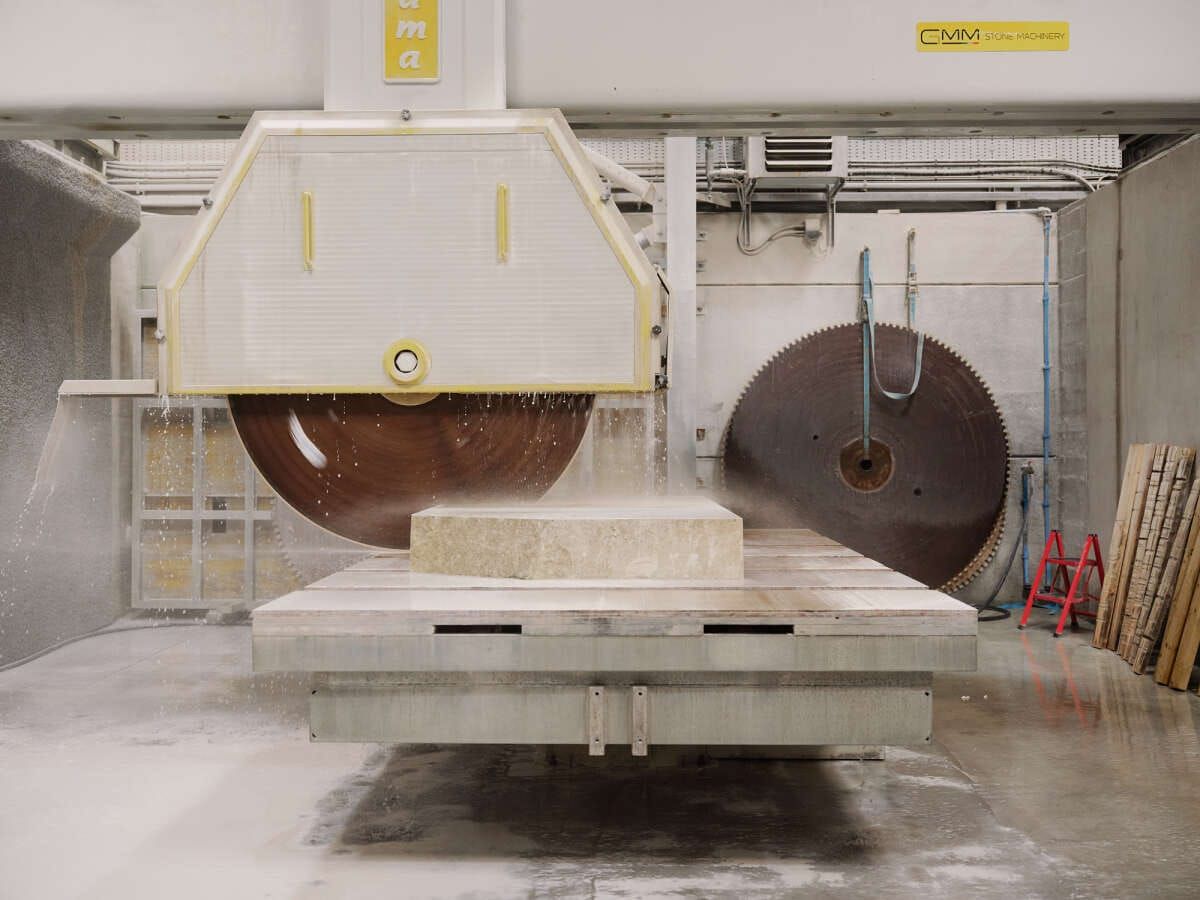
From the cutting devices employed by 17th-century water mills to the cable wire cutting saws, steam-powered planers and industrial tip blades used to increase the speed of cutting granite and marble of the 1900s, the stonemason has never shied away from progress.
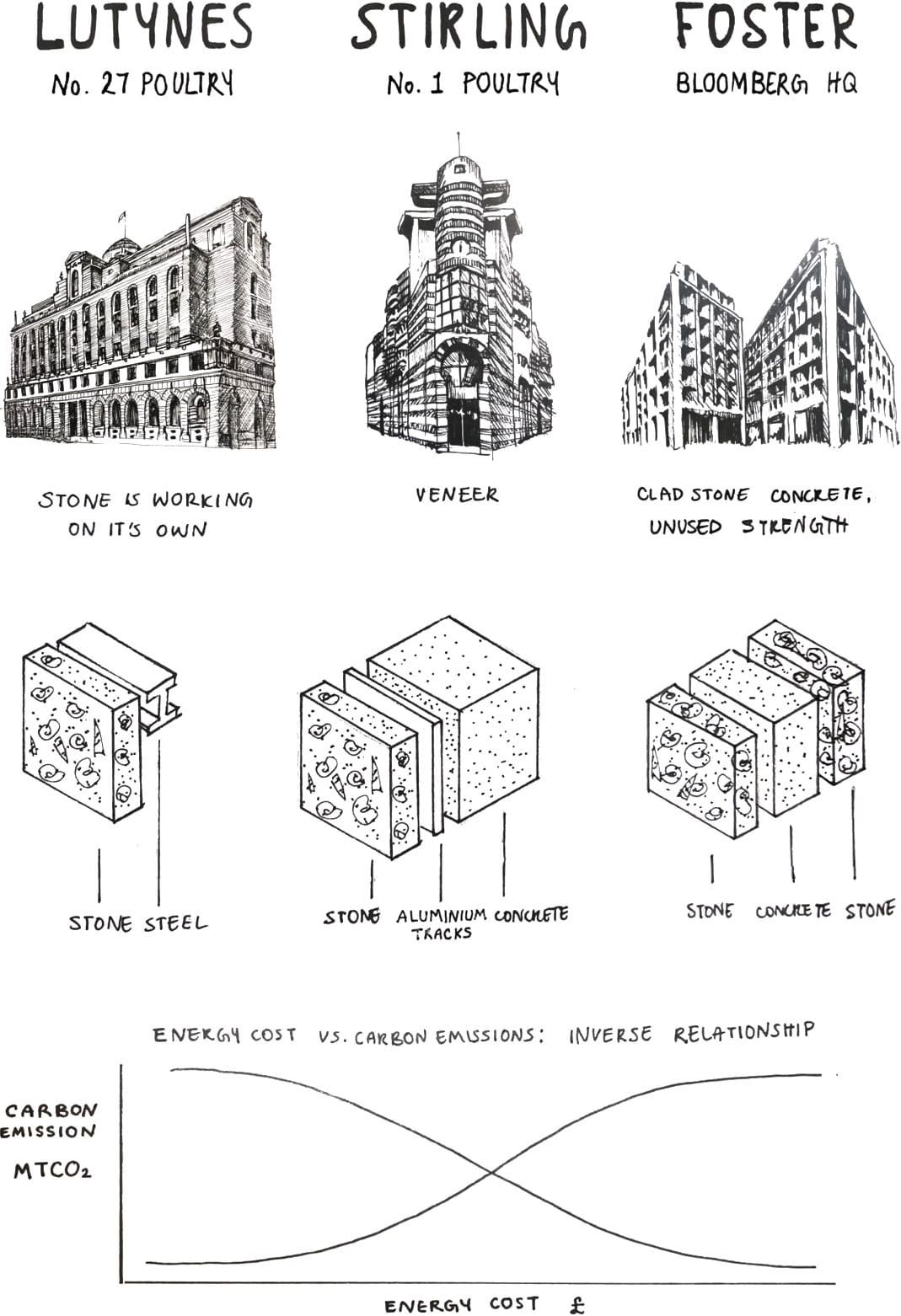
The 20th century marked the decline of construction in stone, the victim of rising energy costs, wars and the fashion for new materials. To understand this rapid decline and witness the change from structural to veneer, take a walk in the heart of the city of London.
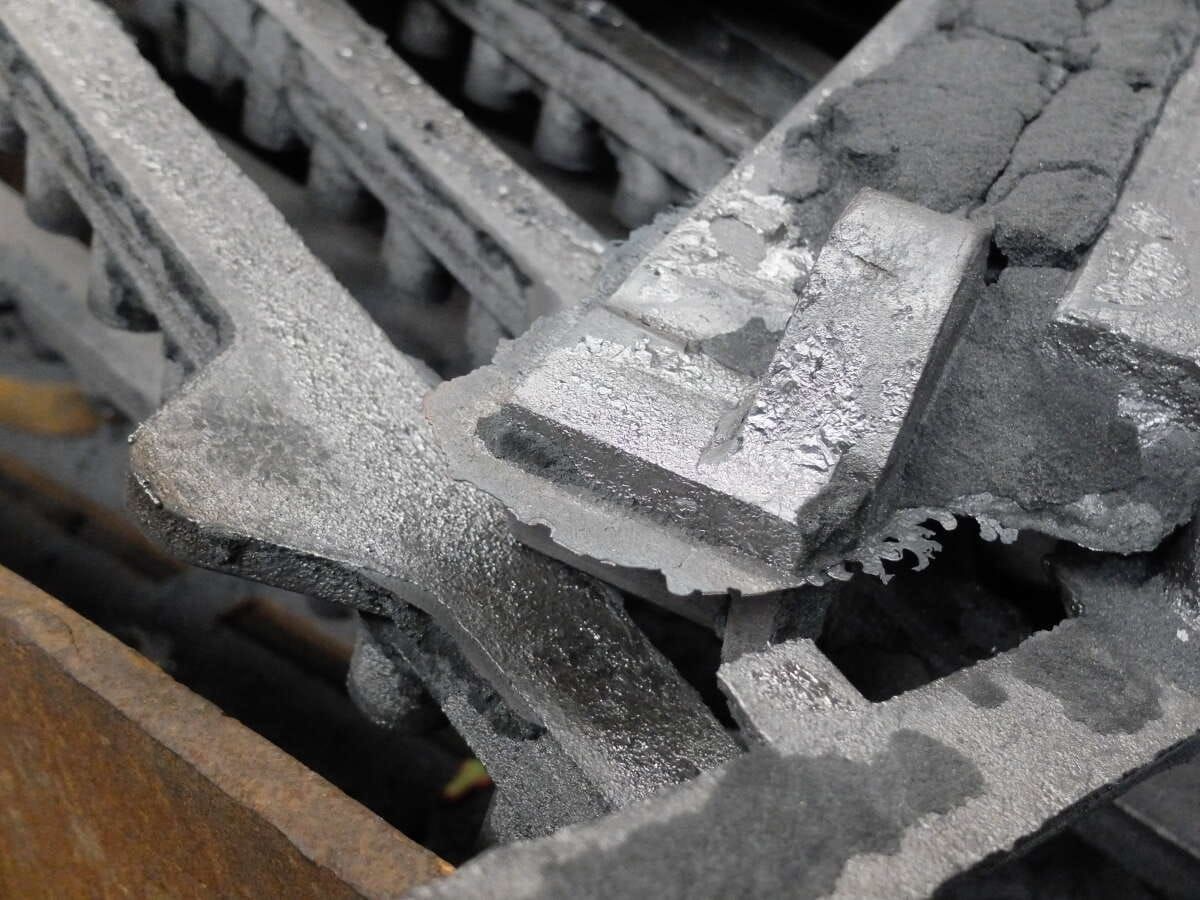
Cast iron is a metal alloy, popular in architecture historically for its strength and flexibility to be cast into custom shapes. Although largely replaced by steel since the late 19th century, cast-iron is still produced for conservation projects and to a lesser extent new contemporary buildings.
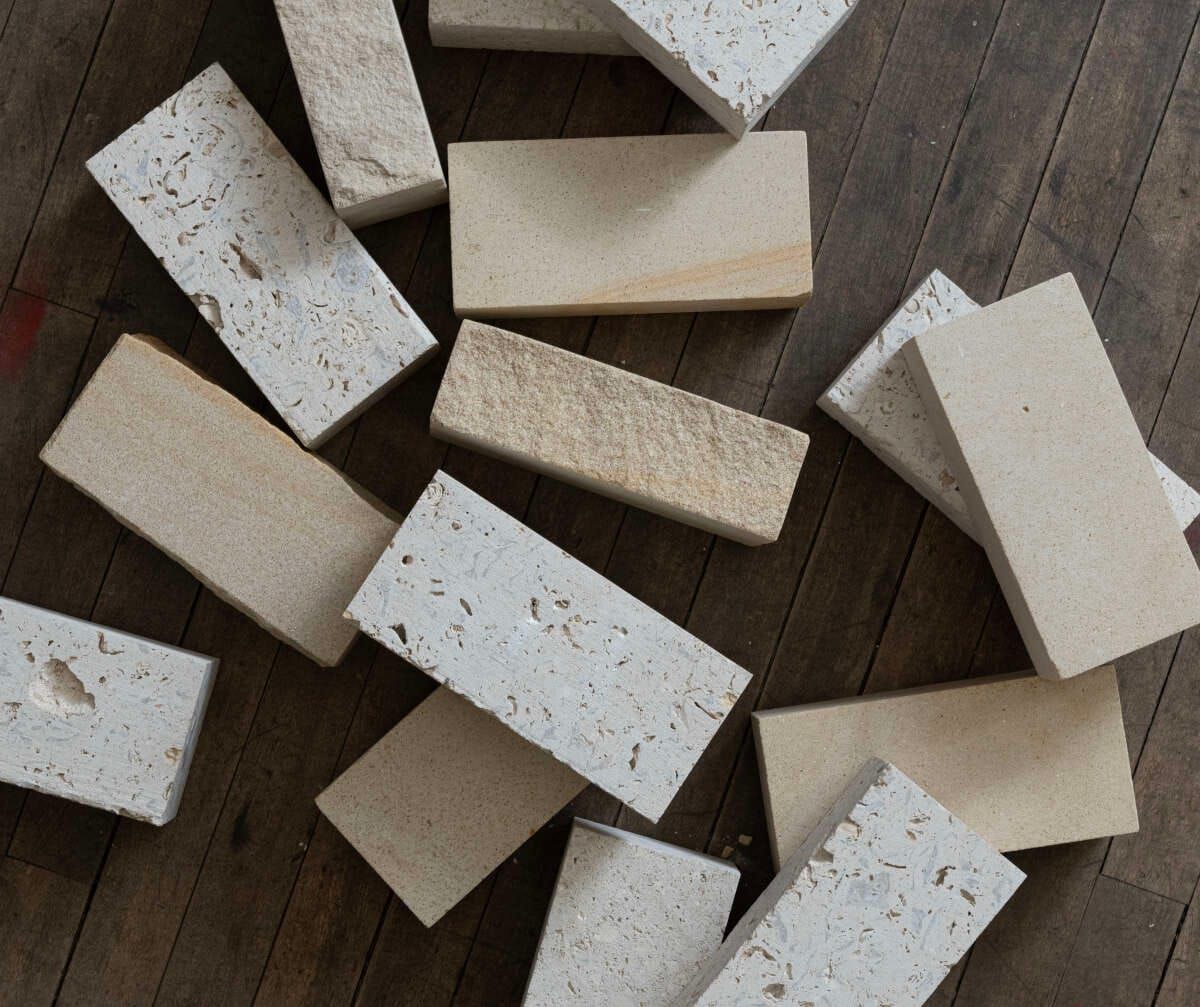
Sandstone’s natural strength and durability make it an ideal material for use in architecture. It can yield both clearly defined bedding along its sedimentary planes making it a great choice for traditional paving and walling products.