Sharing stories with... Lina Ghotmeh
Lebanese born and Paris based architect Lina Ghotmeh is rightly gaining a reputation for beautiful and considered architecture deeply rooted in the history, context and stories of place. The architecture that emerges from her practice, Lina Ghotmeh Architecture, is respectful of the craft of making and materiality. Recent competition wins including the major refurbishment of the Western Range Galleries of the British Museum, London and the new permanent Qatar Pavilion in Venice will further establish the practice as a leading voice in architecture.
Amongst numerous awards are Wallpaper Design Award 2026: Architects of the Year, TIME 100 Next Iconic Architect of the Year 2025, AD100 Middle East 2026, and L'Express - Prix de l’Innovation.
We were honoured that Lina took time out of her busy schedule to speak to ARCHITEXTURES’ Editor-at-Large Vanessa Norwood about the importance of bringing people together and how her next big commission could be a Parliament building.
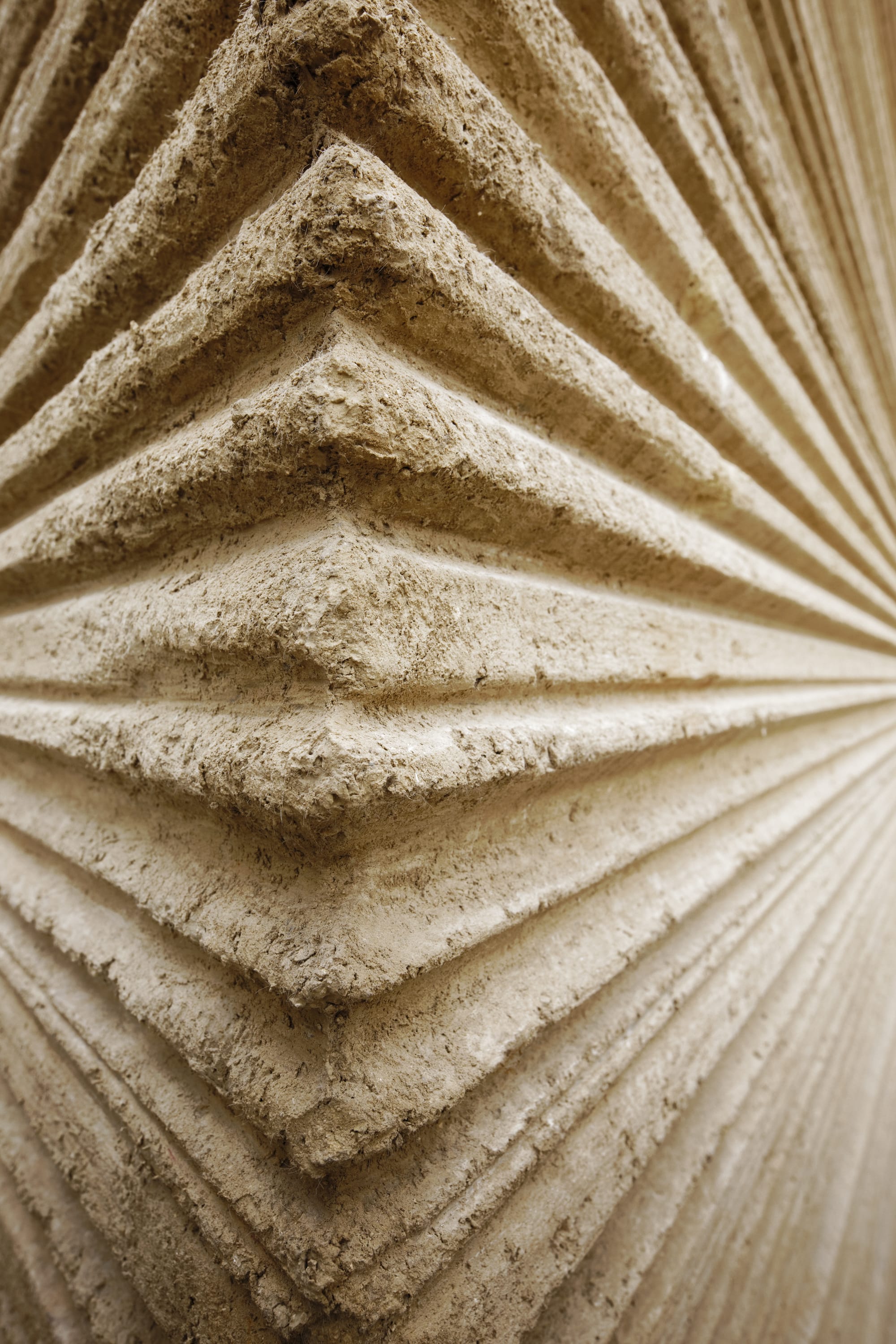
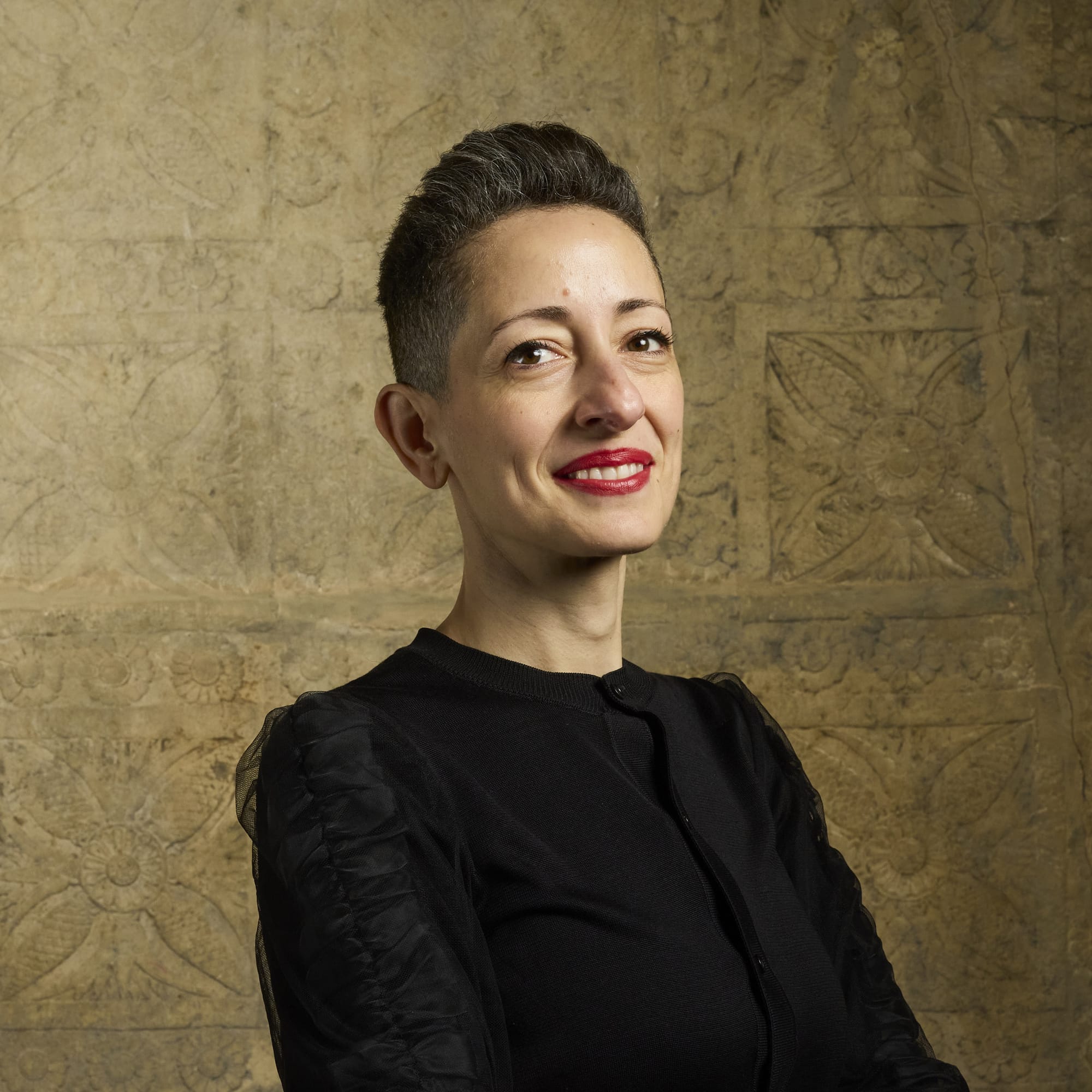
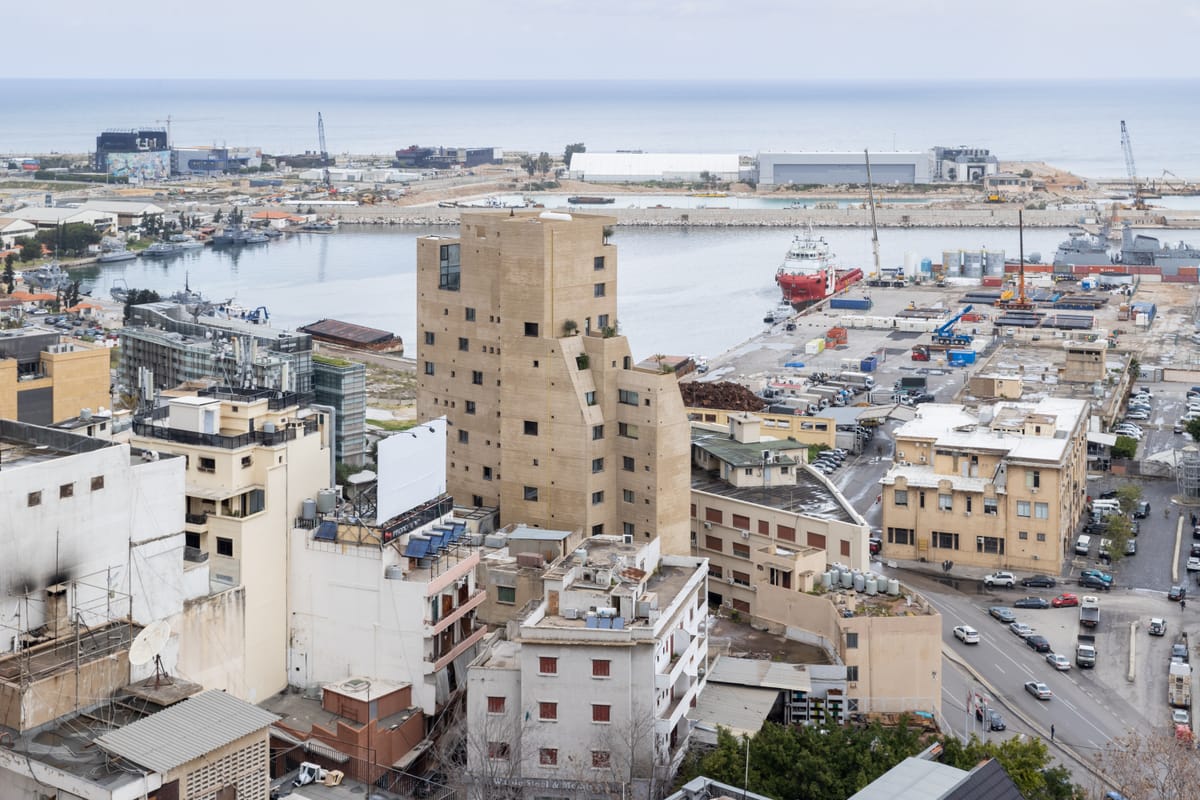
Left: “Stone Garden“ Beirut, Lebanon Housing and Mina Art Foundation © Lina Ghotmeh — Architecture | Photo © Takuji Shimmura; Right: Portrait of Lina Ghotmeh | Photo © David Levene
Vanessa: Cultural exchange is increasingly important in our fractured world. Your beautifully generous 2023 Serpentine Pavilion ‘À table’ offered a “celebratory space for people to listen to nature, work, eat, meet, and think together” and your design for Qatar’s forthcoming permanent Pavilion at the Giardini places equal importance on creating a space for dialogue. How important is it to you to embed moments of togetherness in your projects?
Lina: Architecture is a pretext to bring people together in a meaningful environment. Architecture is a social act before it becomes a physical object. In a world that feels increasingly fractured, creating spaces that encourage dialogue, coexistence, and collective presence becomes a form of resilience, and of hope.
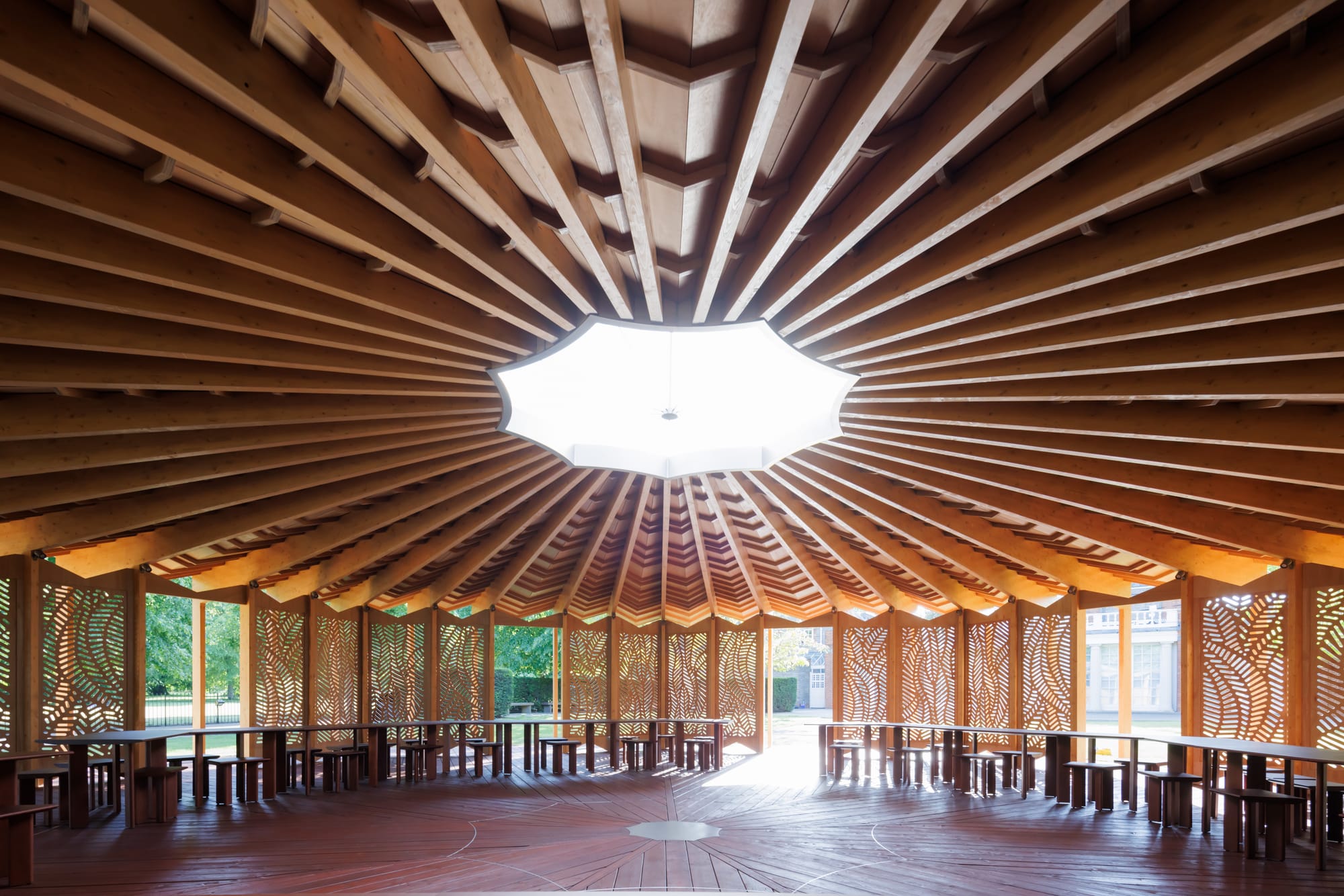
With the Serpentine Pavilion ‘À table’, I wanted to bring people around a shared table, a universal symbol of hospitality. It was conceived as a place where strangers could meet, eat, rest, and listen, not only to each other, but to the rhythms of nature around them.
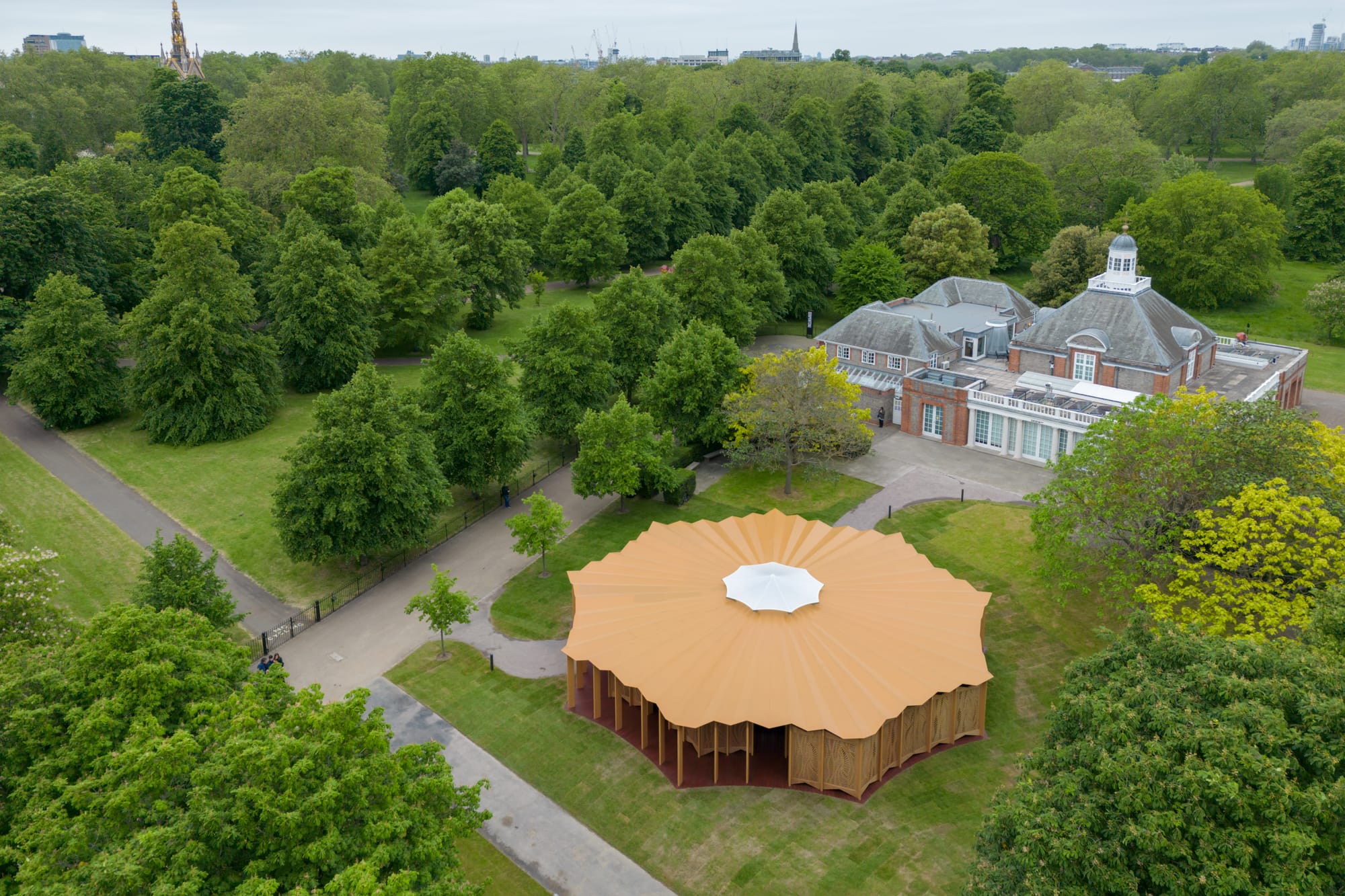
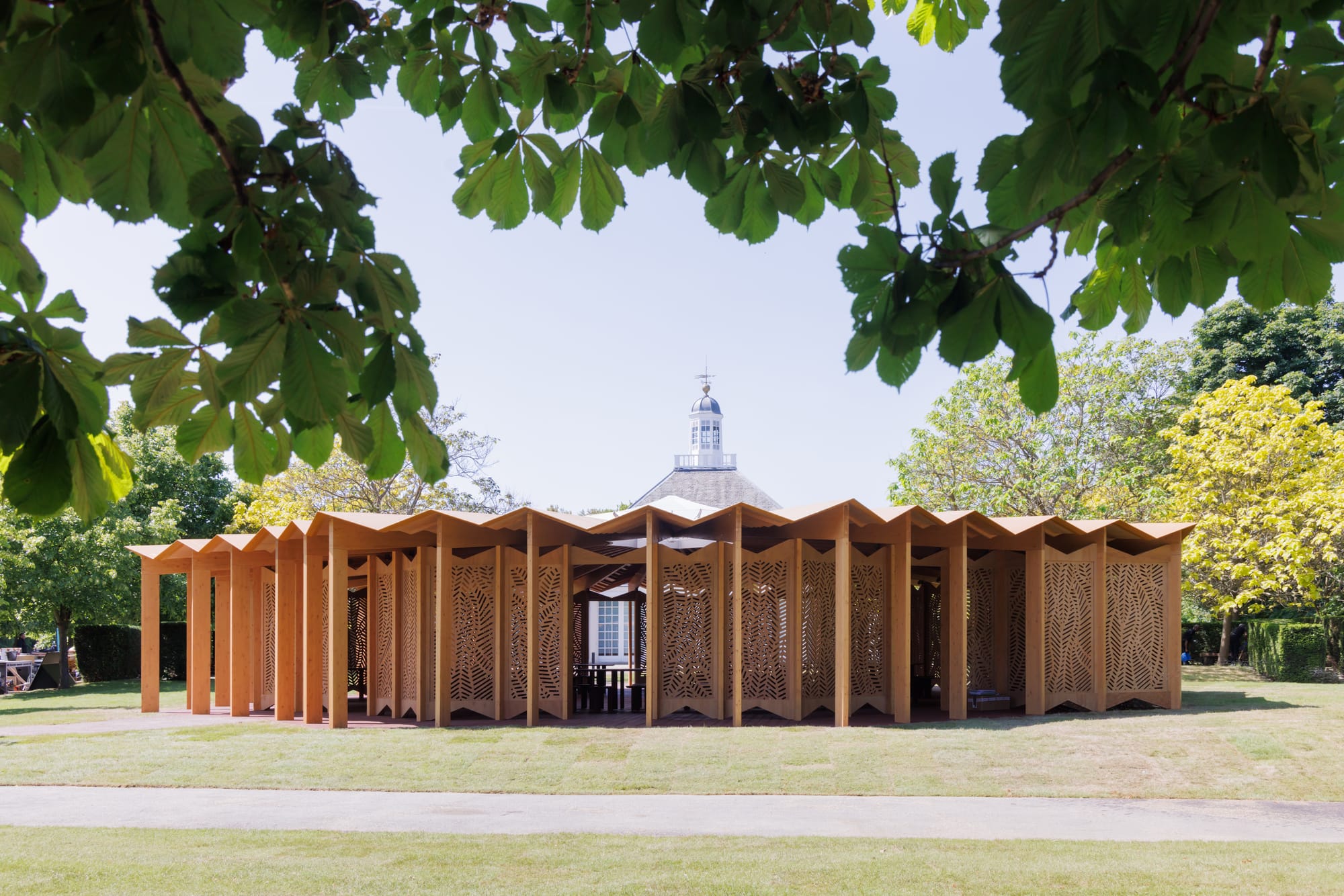
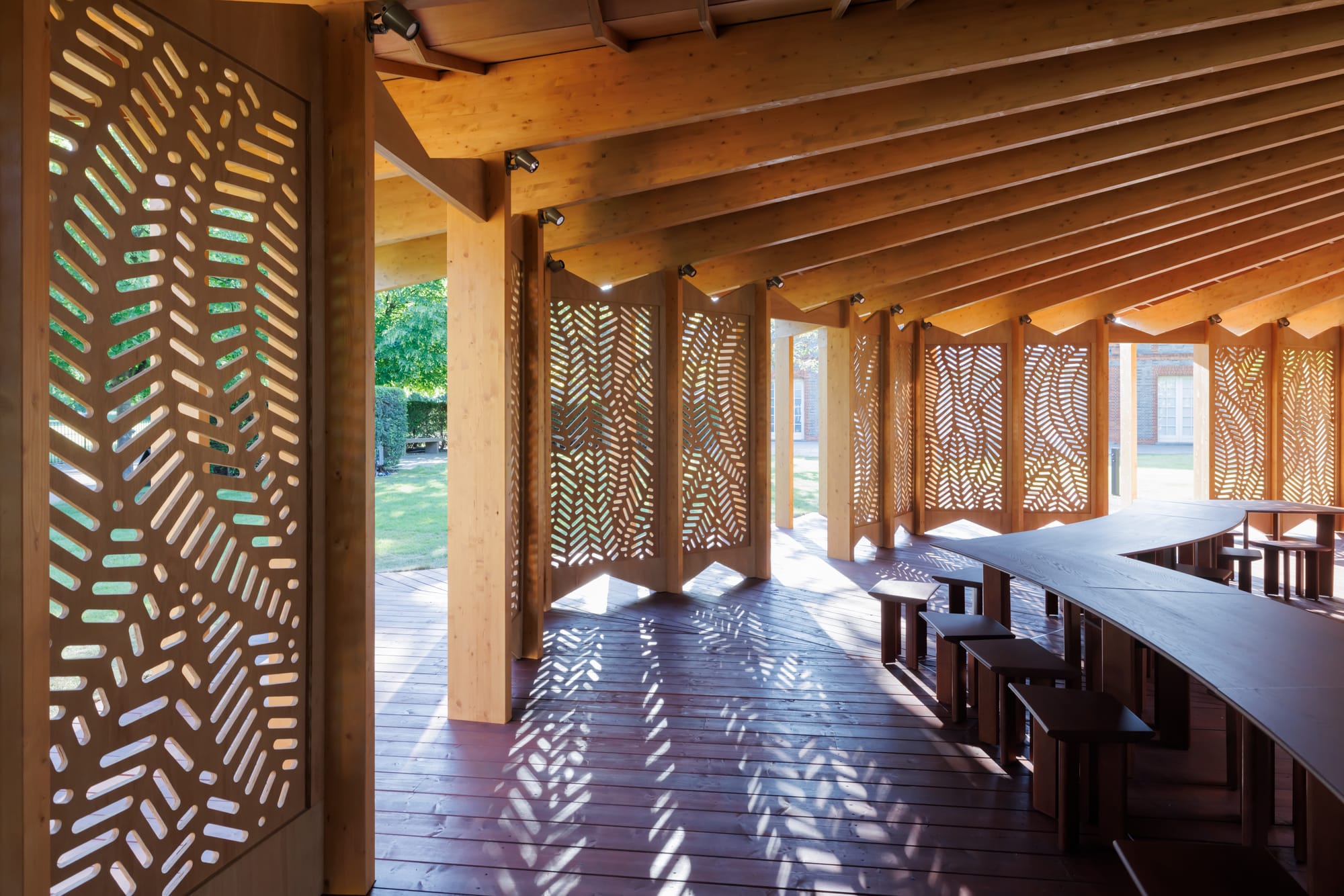
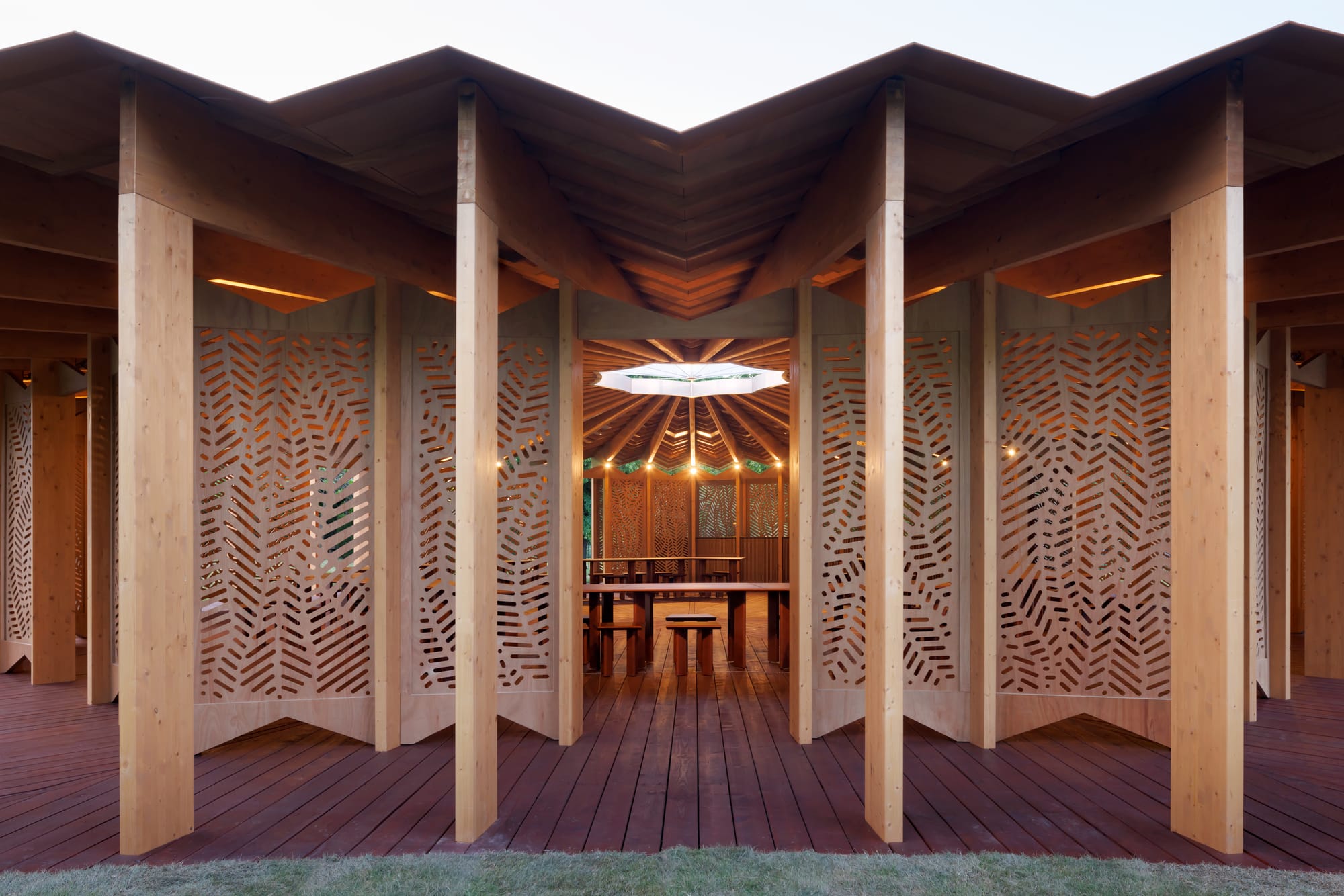
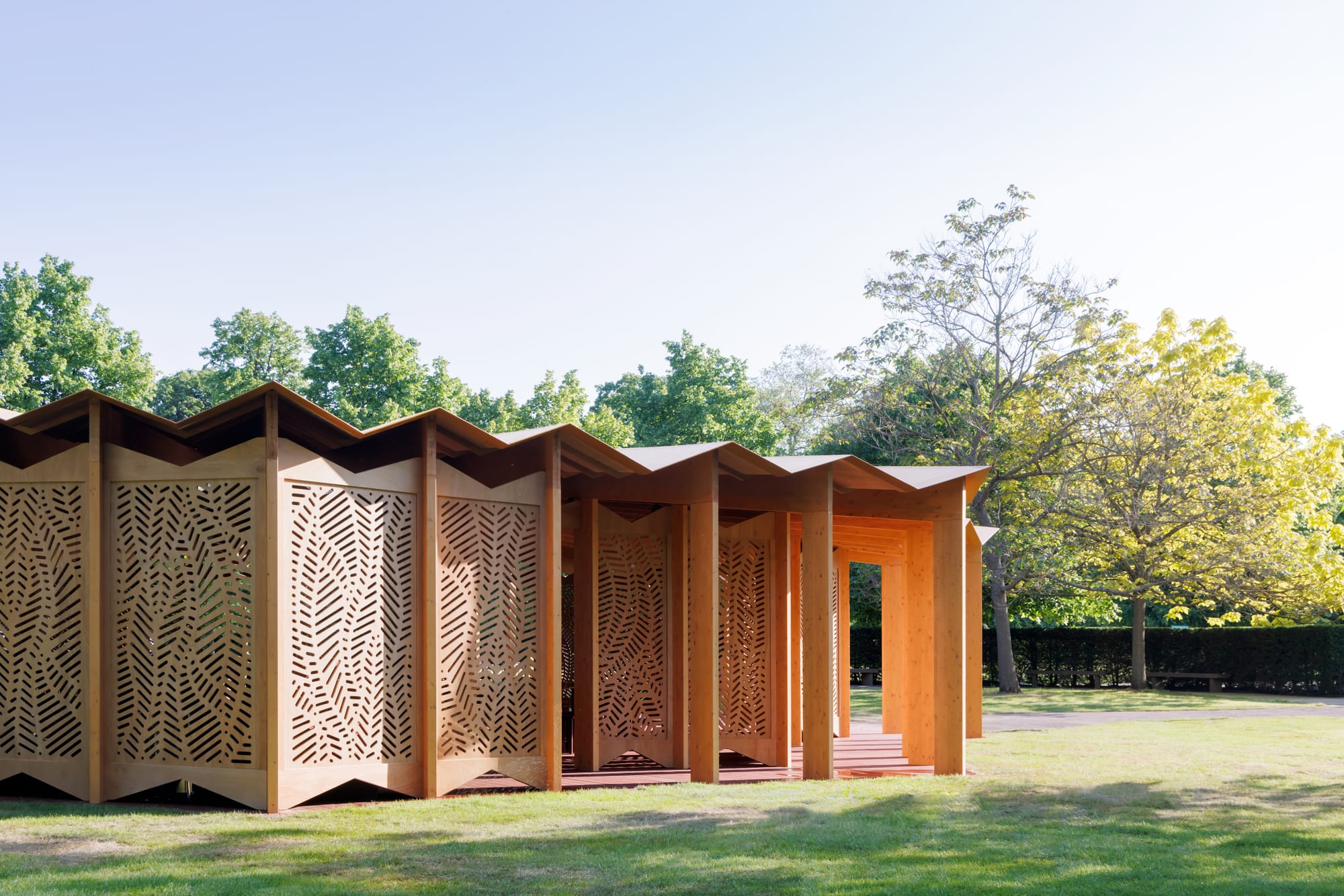
Serpentine Pavilion London, United Kingdom. Serpentine Pavilion 2023 designed by Lina Ghotmeh. © Lina Ghotmeh — Architecture. Photo: Iwan Baan, Courtesy: Serpentine.
Similarly, the permanent Pavilion for Qatar at the Giardini is envisioned as a cultural threshold: a place that welcomes, slows down, and invites visitors to exchange stories. Architecture becomes meaningful when it acts as a catalyst for human interaction; when it gives us reasons to gather, to be present, and to acknowledge our differences and commonalities.
Vanessa: Architecture often aims to be ‘new’ - as if it landed without history or context. Your early interest in archaeology has influenced your work as an architect with your ethos of ‘Archeology of the Future’ offering a different approach, one where stories of the past are revealed. This resonates with cultural organisations; the practice recently won the British Museum competition to redesign its Western Range galleries; set to be one of the biggest cultural renovations undertaken anywhere in the world. Can you say a little more about the importance of this flow of time from the past into the future and the historical research undertaken by the practice at the start of a project?
Lina: My practice is grounded in what I call an ‘Archaeology of the Future’. It is a way of designing that begins with listening to the land, the climate, the stories, and the traces left by human lives. Before any project takes shape, we undertake extensive historical and material research to understand what preceded us. We look at anchoring any architecture in its environment and the large sense of what the word implies. This does not mean that our architecture is devoid of newness, it is about seeking the extraordinary from what exists.
This approach is particularly important in projects like the Western Range Galleries of the British Museum. Working on such a monumental cultural renovation means engaging with millennia of human history. We look at the way objects were made, traded, used, and remembered, and reflect on how contemporary architecture can offer a platform, a vessel to put forward that depth of history all while opening new possibilities.
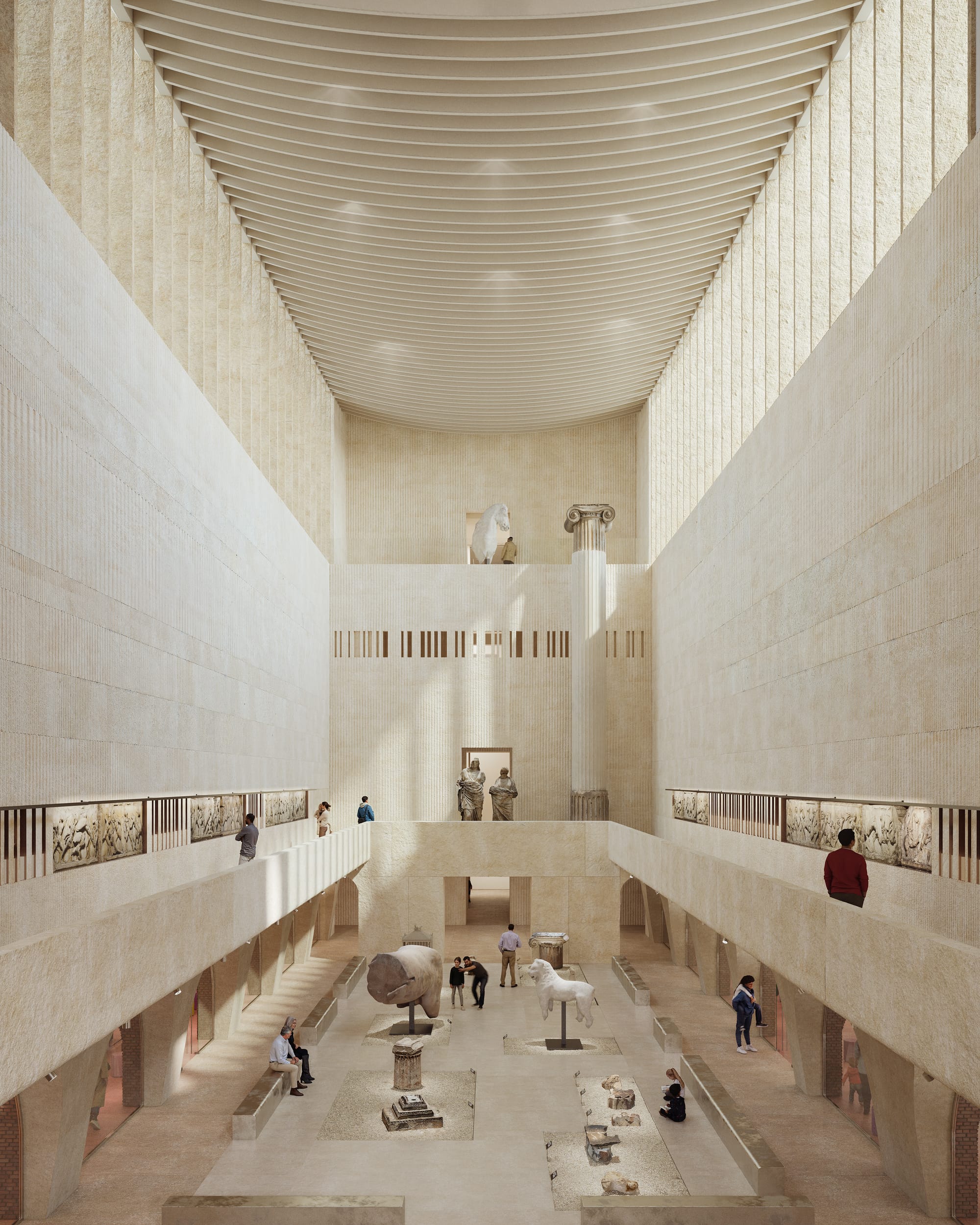
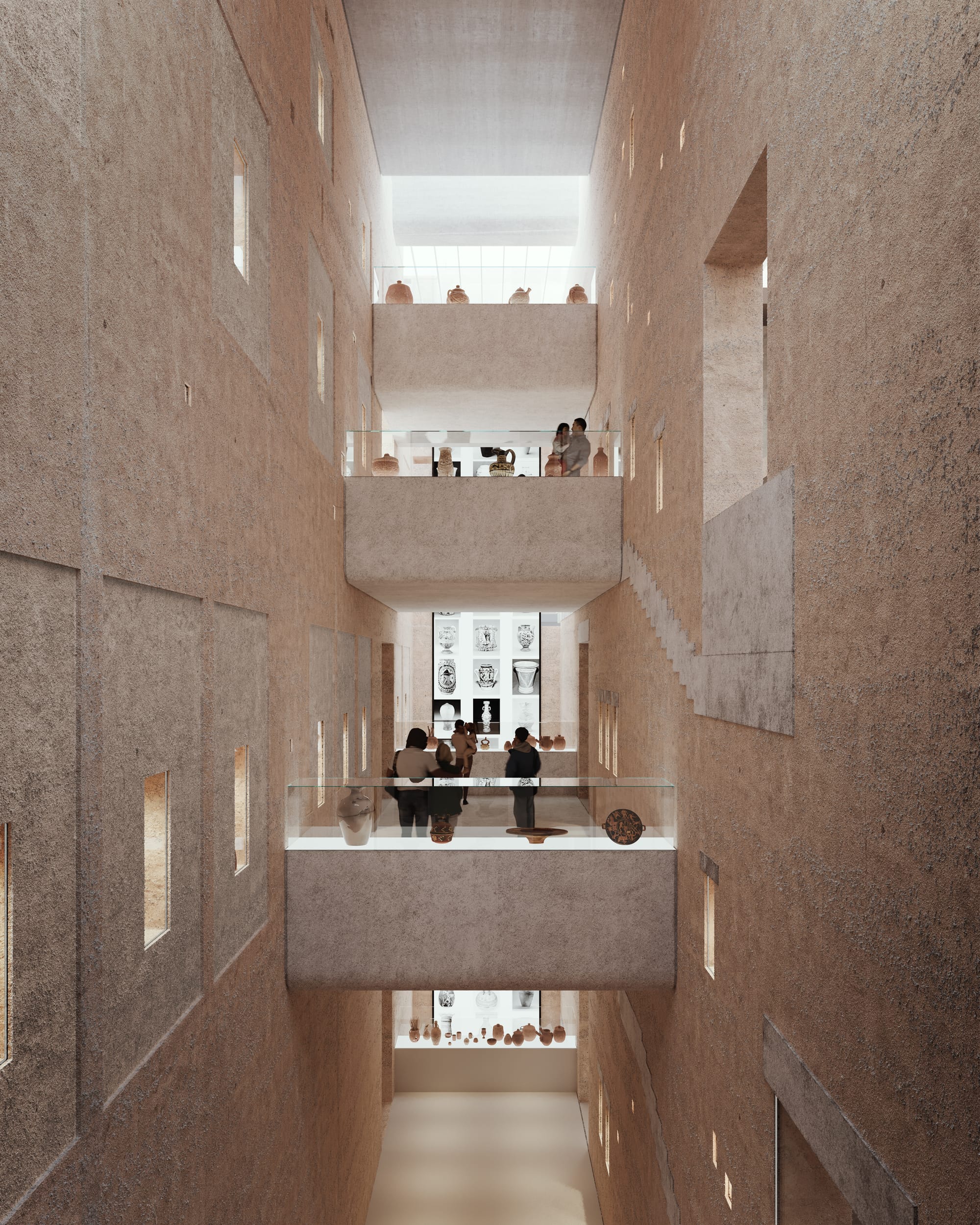
British Museum’s Western Range London, United-Kingdom © Lina Ghotmeh — Architecture
Architecture should not erase the past but give it presence; allowing time to flow through a project, rather than seeking a disconnected ‘newness’. Innovation becomes more powerful when it acknowledges heritage and transforms it with sensitivity.
Vanessa: The Stone Garden in Beirut was received with great acclaim, winning multiple awards including Dezeen’s Architecture Project of the Year in 2021. The project moved many people, inspiring an emotional connection with the building. Rather than turning away from its context, the Stone Garden acknowledged its place in an urban cityscape marked by conflict. Windows of different sizes give the building the feeling of having emerged over time, created by generations. Your work speaks to us on an emotional level. Can you describe the importance for you of revealing the connections between people and place?
Lina: Stone Garden is deeply personal. Beirut is a city marked by profound beauty and deep scars; it lives between memory and forgetting. With this project, I wanted to allow the building to speak to its surroundings, to talk to the history of Beirut.
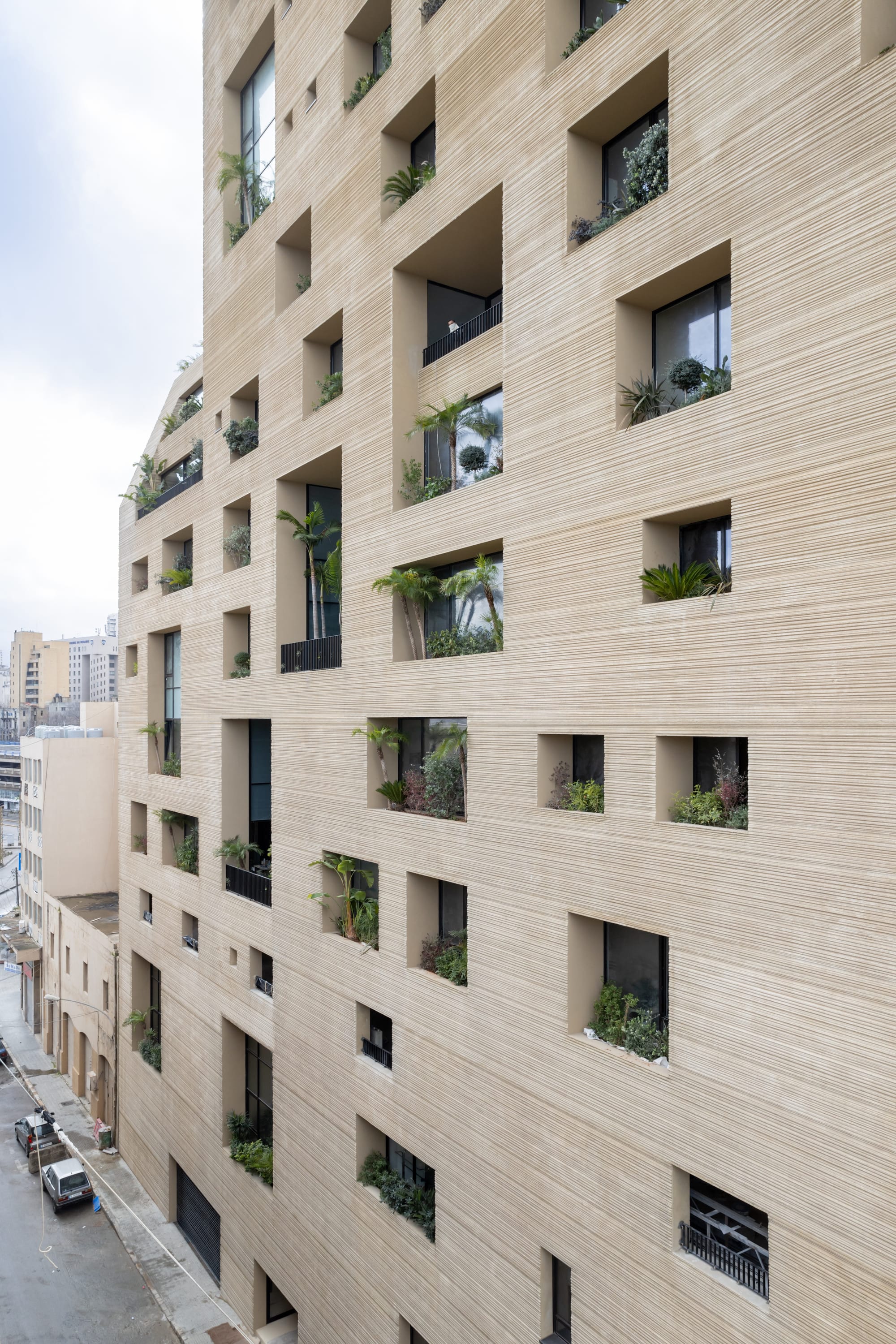
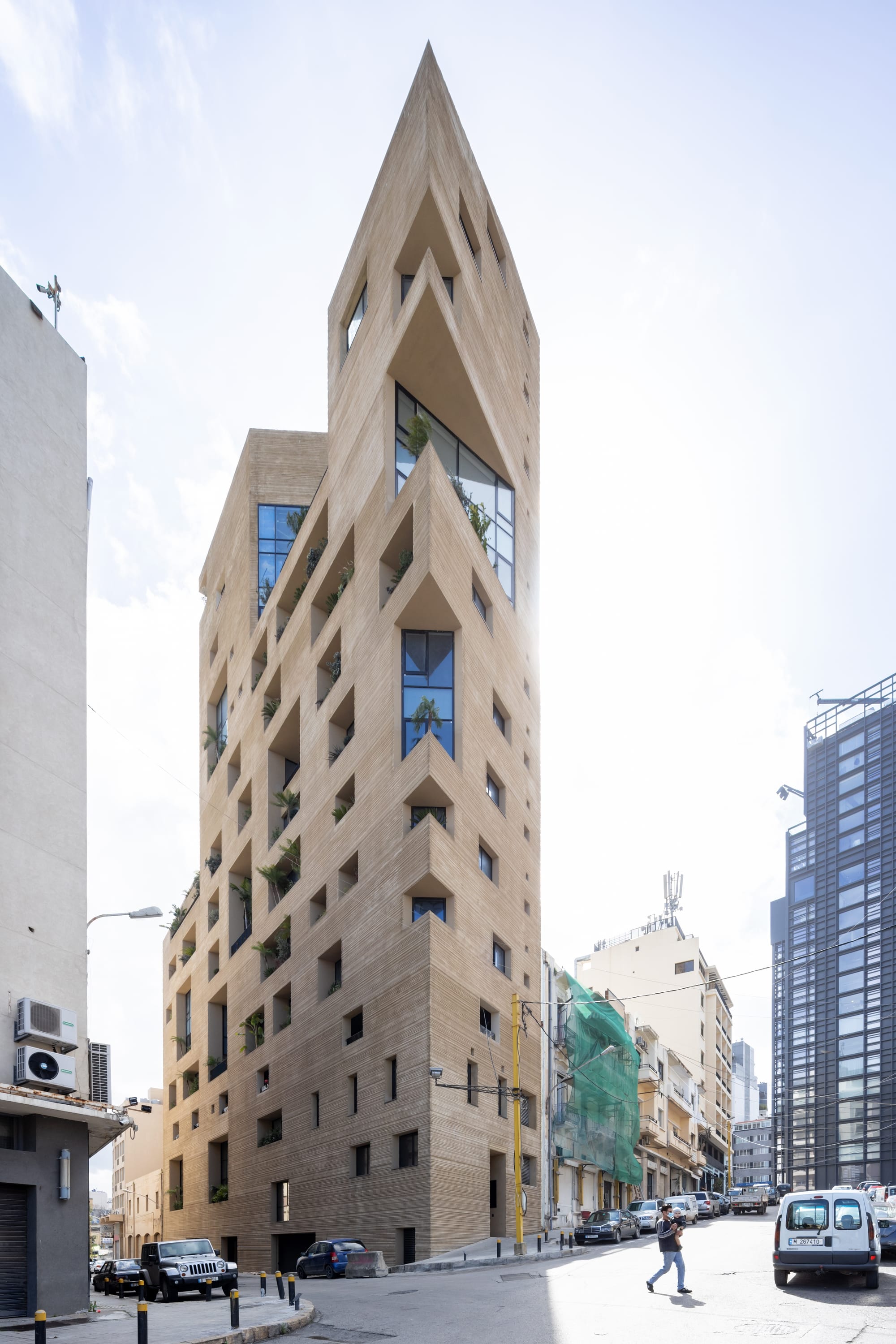
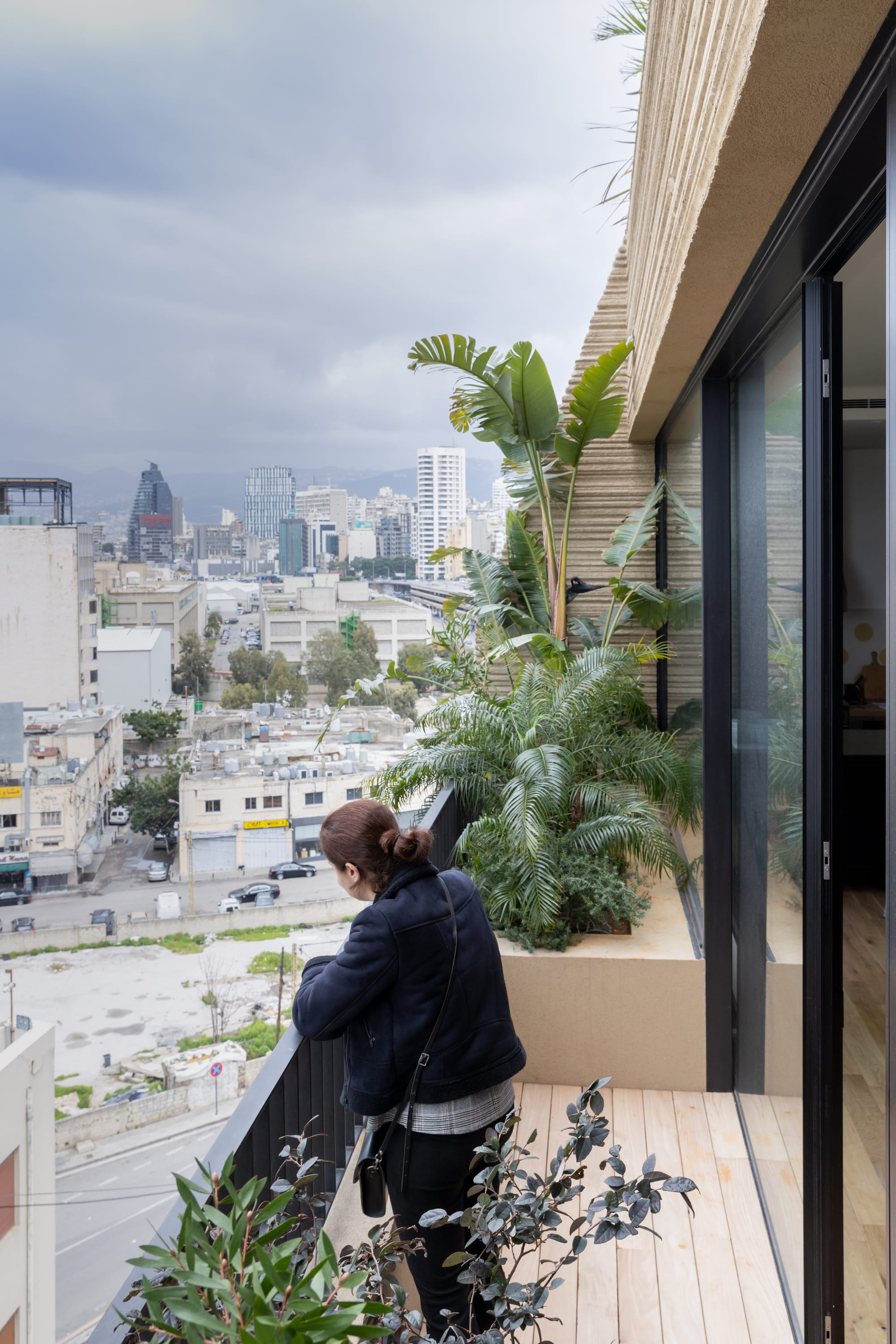
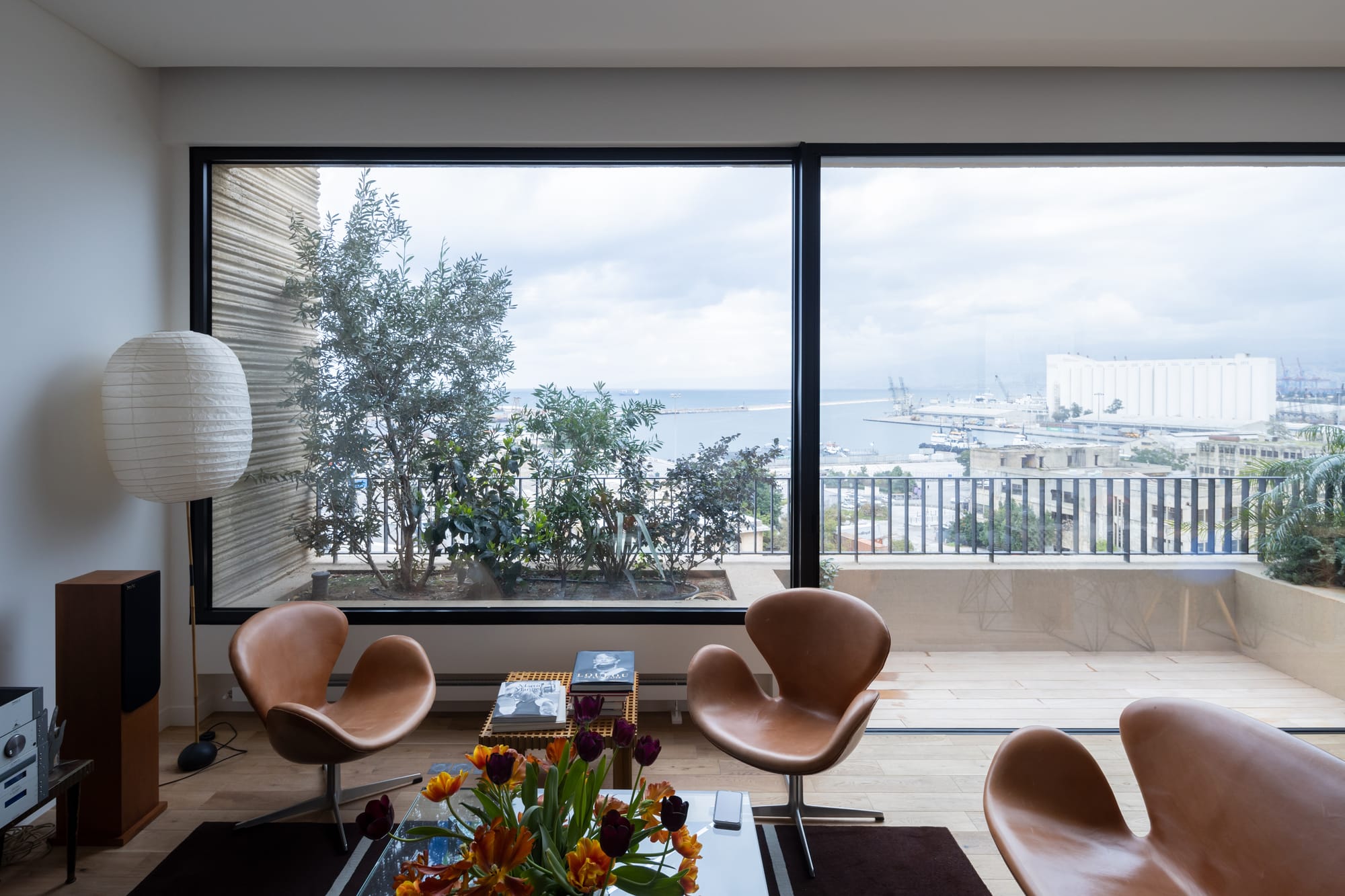
“Stone Garden“ Beirut, Lebanon Housing and Mina Art Foundation © Lina Ghotmeh — Architecture | Photos © Iwan Baan
The façade, hand-combed and textured, carries the memory of the city’s terrain. The windows appear as if carved over time, each one shaped like a unique gesture. They reflect the multiplicity of lives, the layers of history, and the fragility of what it means to inhabit a place that has endured conflict.
For me, architecture must reveal the bond between people and their environments because this relationship shapes our identity. When a building resonates emotionally, it becomes more than a structure, it becomes a companion that brings meaning to life.
Vanessa: Architecture is emerging from the tyranny of modernism’s white cube and the glass and steel predominance of hi-tech. Craft and the visibility of the human hand is an important aspect of your work as a practice. Your award-winning Bahrain Pavilion Embankment – Anatomy of a Dhow at Expo 2025 Osaka is beautifully crafted from 3,000 pieces of unengineered timber using intricate joinery. Can you speak about how the practice works with craftspeople to create architecture that celebrates the skill of the maker?
Lina: Craft is a form of embodied intelligence, passed through generations. When we collaborate with craftspeople, we engage directly with the roots of making, with knowledge - with the hand, the gesture, the imperfection that carries humanity.
The Bahrain Pavilion at Expo 2025 Osaka embodies this philosophy. It is made of 3,000 pieces of unengineered timber, assembled through intricate joinery inspired by Bahraini boatbuilding and Japanese carpentry. The process required close dialogue with artisans, learning from their techniques and honouring their knowledge.
Craft allows architecture to become a means to transmit knowledge, to be tactile, alive, and full of meaning. When the presence of the maker is visible, the building becomes a tribute to human ingenuity and care.
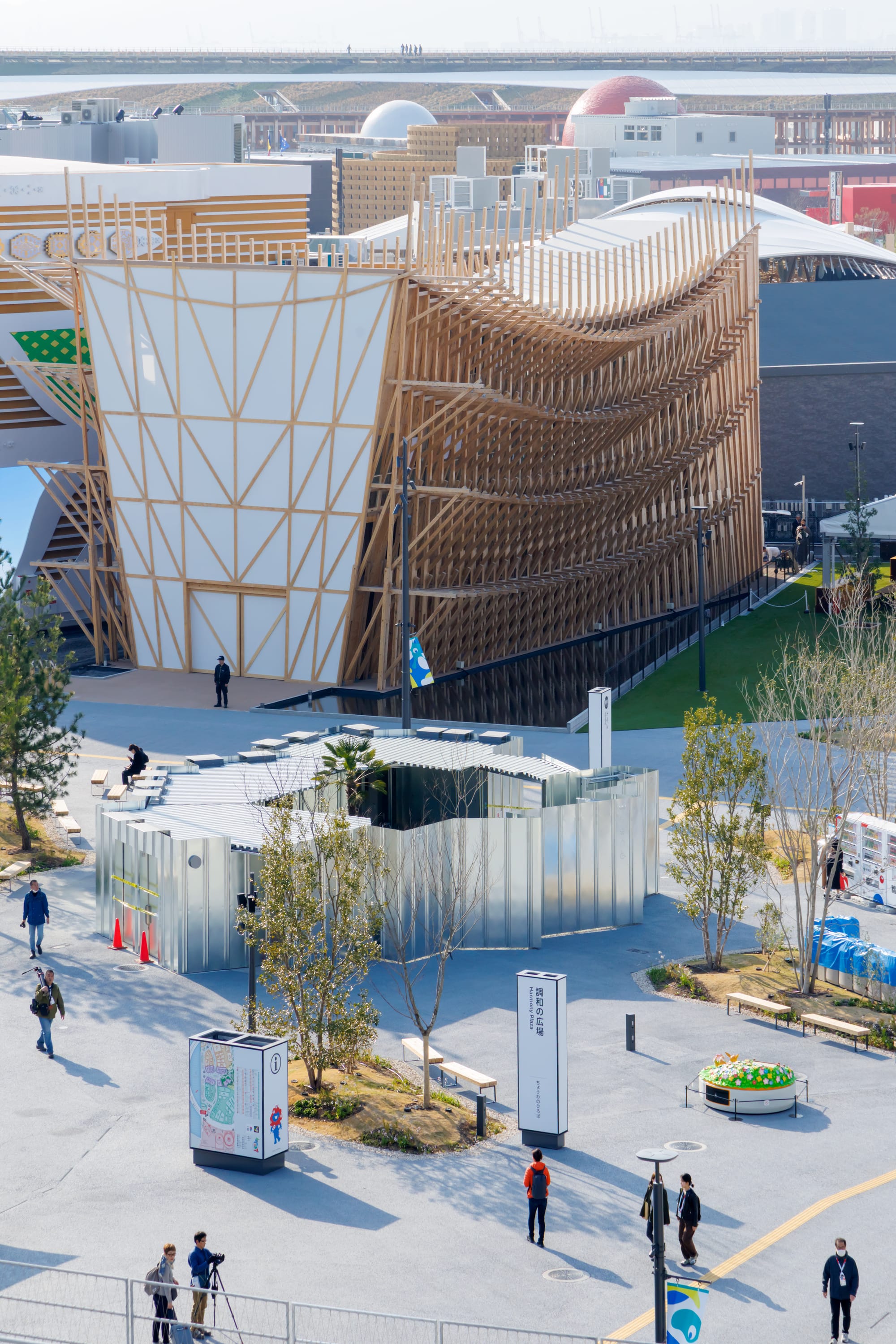
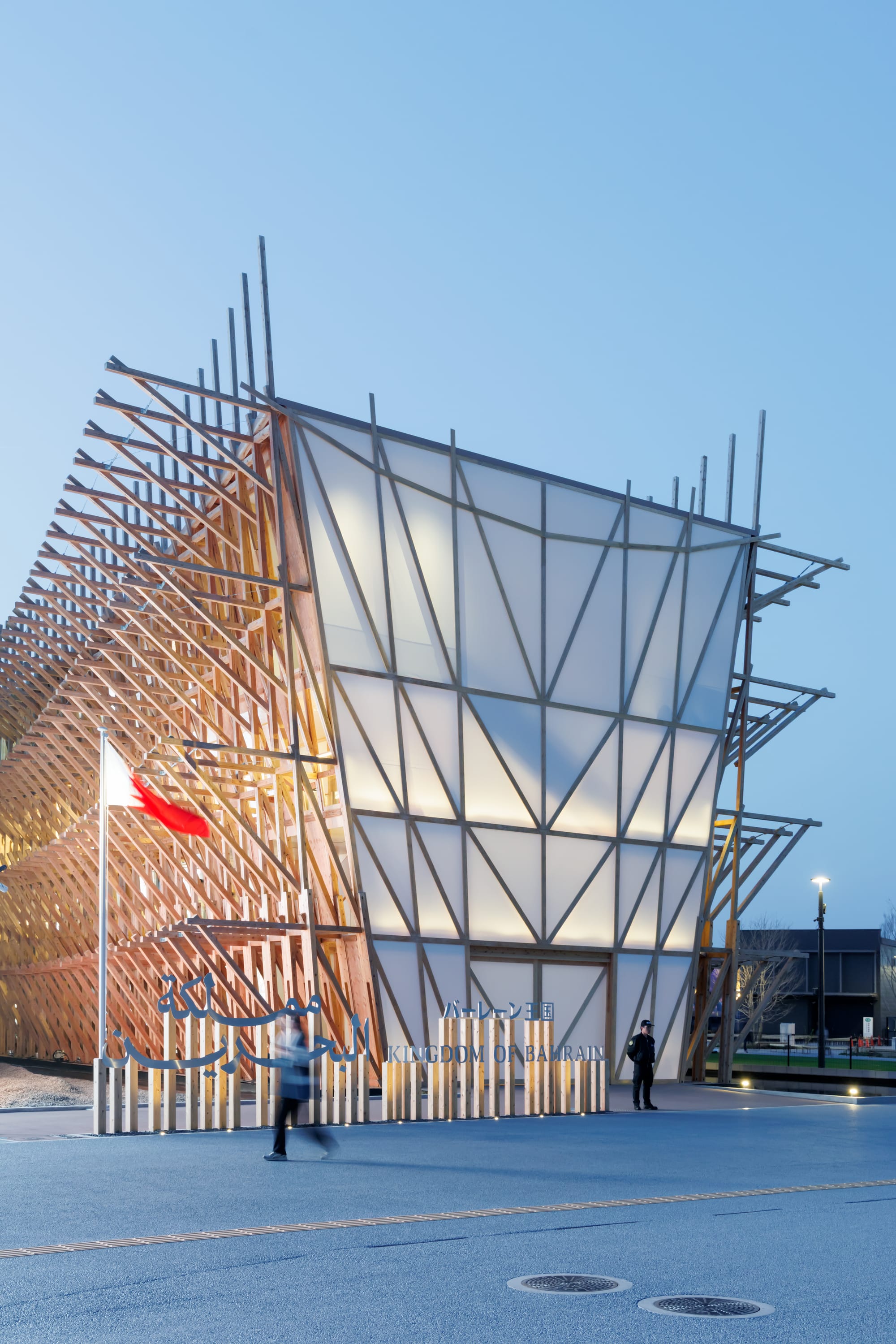
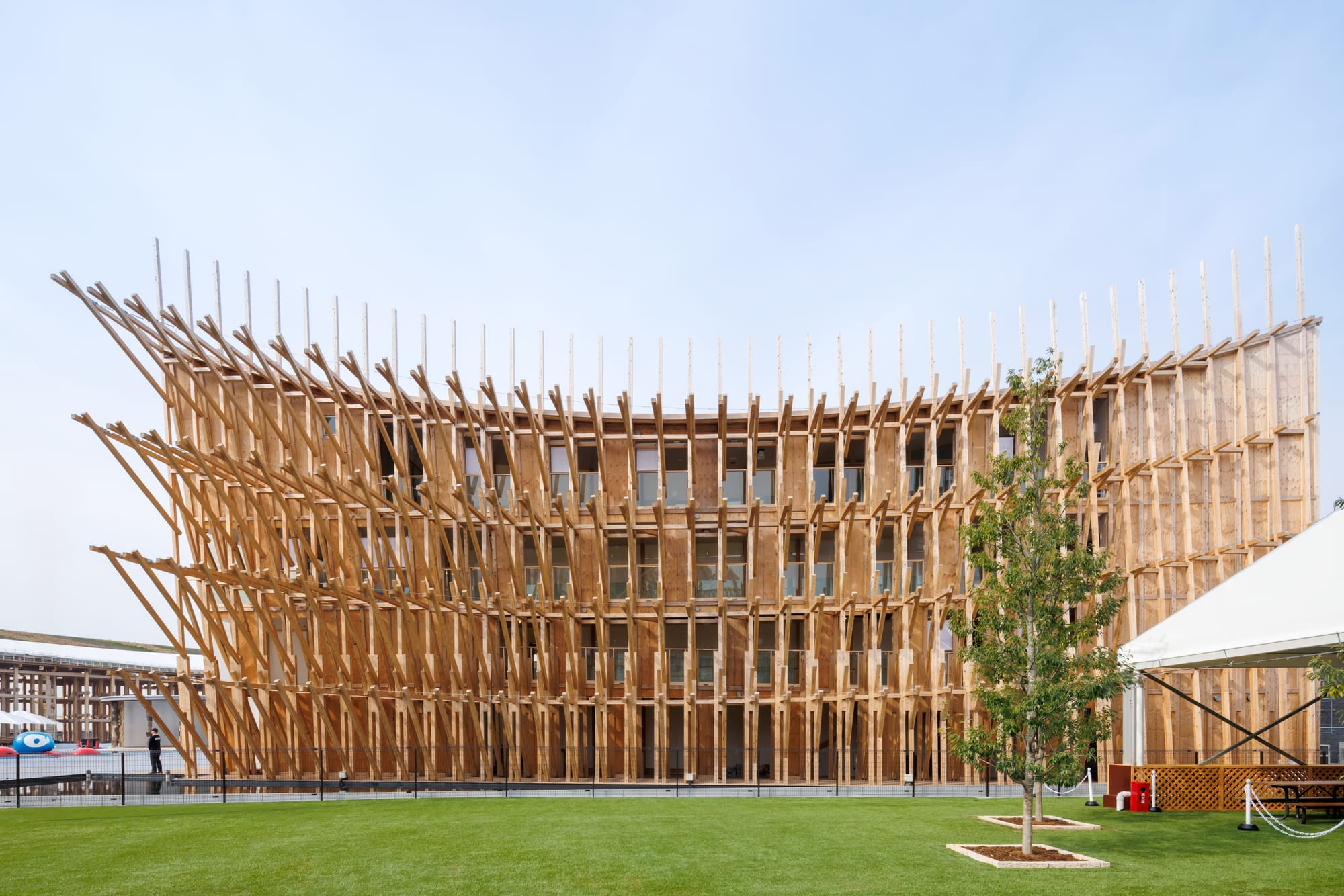
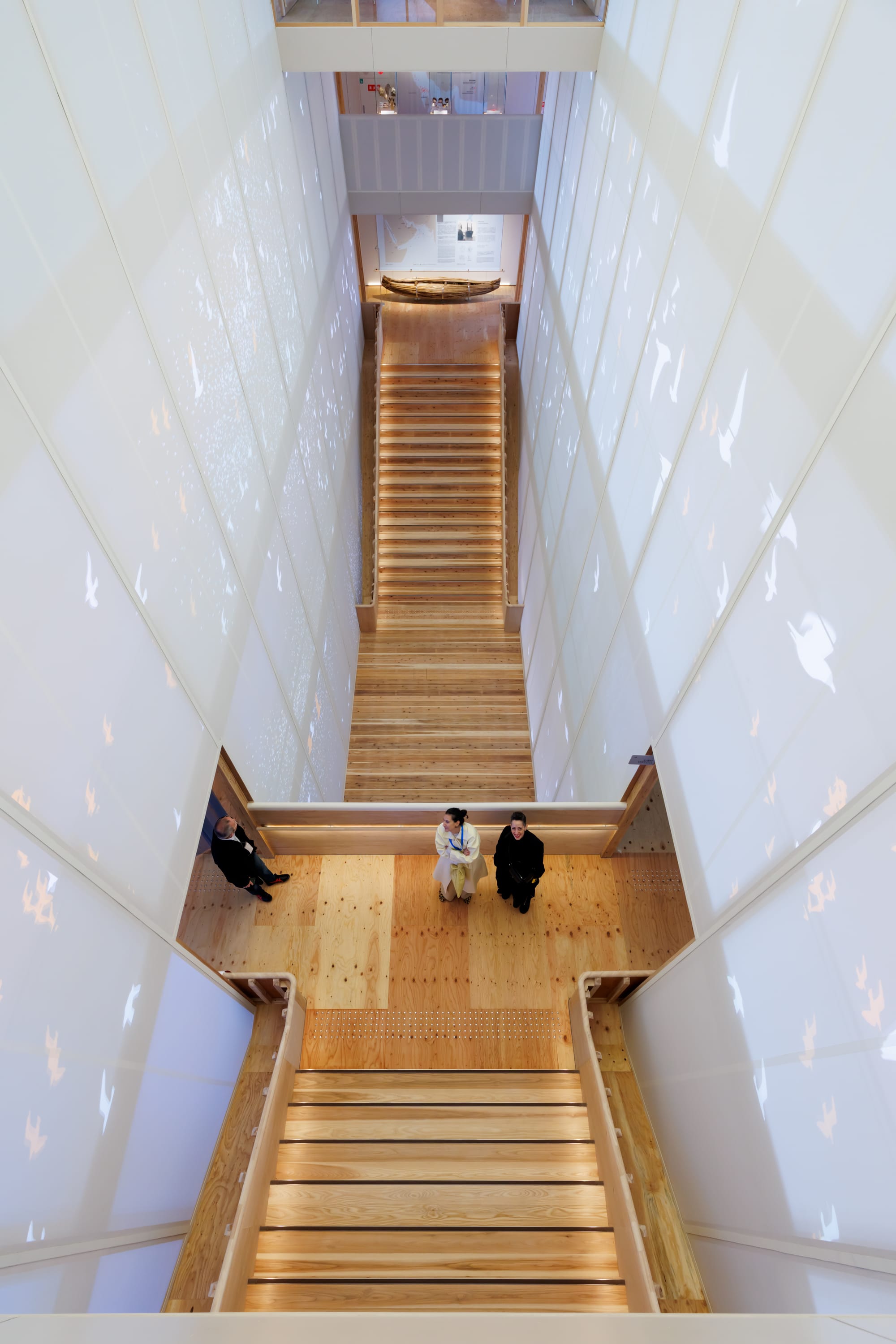
Anatomy of a Dhow, Bahrain Pavilion Osaka Expo2025 © Lina Ghotmeh — Architecture | Photos © Iwan Baan
Vanessa: Your work embraces natural materials. How important is understanding the ecological impact of the materials palette and do you meet resistance from clients and contractors when working at scale?
Lina: Material ecology is fundamental. Every material has a life, an origin, and an environmental footprint. Understanding this chain, from extraction to construction to reuse, guides our choices. I often work with earth, timber, and natural fibers because they are renewable, low-carbon, and deeply connected to place.
At times, there is resistance, especially in large-scale or highly regulated projects. But I find that when clients understand the long-term value (environmental, economic, and even emotional) they become enthusiastic partners in this shift. Sustainability should not be an aesthetic, but an ethic.
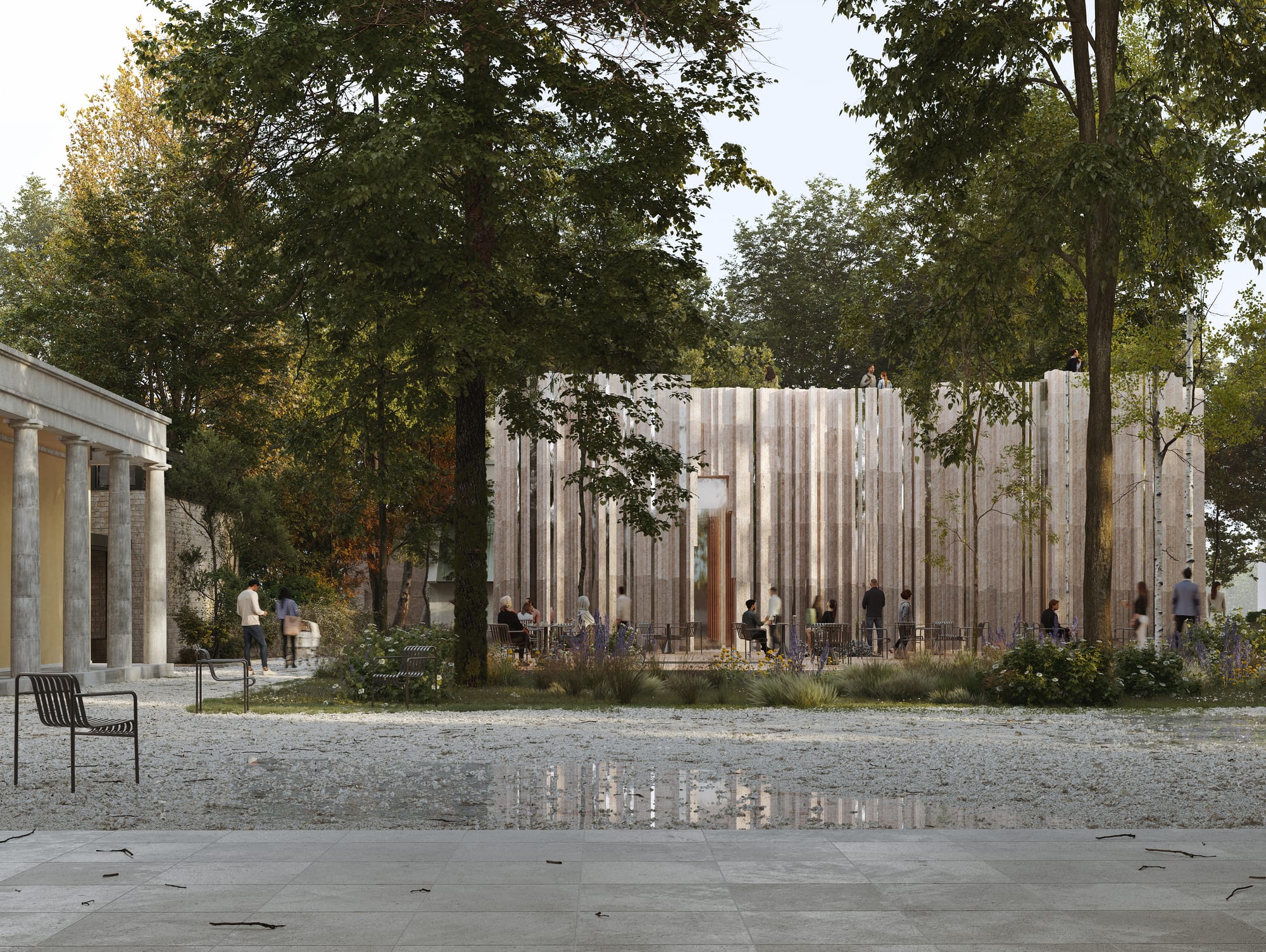
Vanessa: Alongside architecture and archaeology, your practice places an emphasis on atmosphere and art. Your thinking around architecture moves beyond the traditional preoccupations with form and function to explore how buildings make us feel. Your new book ‘Windows of Light’ published by Lars Müller looks at light’s “crucial role in shaping our biological, astronomical, and architectural landscapes”. How important is it that we extend our understanding of materiality to include light and the role it plays in creating comfortable, human architecture.
Lina: Light is one of architecture’s most essential materials. It shapes our perception of space, of materials, of textures. It also affects our circadian rhythms, connects us to the astronomical world, and influences our emotions.
In ‘Windows of Light’, I explore how light acts as a conductor between nature, architecture, and human experience all while tackling social questions such as disparities. Light is intangible yet powerful; a material that can soothe, activate, or elevate a space.
When we design with light, we design with time, climate, and the cosmos. It helps create architecture that is not only functional but deeply human, rooted in the rhythms of life.
Vanessa: Western architecture has been dominated by male-led, northern European voices. Has the tide finally turned? Are we becoming more accepting and appreciative of a diversity of approaches and a wider global wisdom?
Lina: I believe we are moving in that direction. There is a growing recognition that architecture cannot be defined by a single geography, a single gender, or a single narrative. The challenges we face (environmental, social, cultural) require a multiplicity of perspectives.
Vanessa: We need your sensitive, inclusive approach to architecture more than ever. Is there a project you’d like to do? So many architectural typologies would suit your way of thinking. How about a parliament building?
Lina: The idea of designing a parliament is fascinating ! Especially that I am frequently thinking of every architecture I do as a parkour, a public platform for dialogue. A parliament has to be a place that makes us comfortable enough to talk, to exchange. It is a typology that is able to bring together many of the values I care about: dialogue, transparency, history, and the collective good.
I am drawn to projects that hold public meaning (museums, civic spaces, cultural buildings) places that allow communities to gather and imagine their future together. A parliament would be an extraordinary opportunity to rethink how architecture can embody democracy, openness, and the human spirit.