Specifying Armourcoat
Armourcoat’s clay lime plasters give a wall presence. The material has body to it: softly chalky, gently uneven, with a depth that shifts as light moves across the surface. The resulting finishes are soft, but weighty, which makes them well suited to interiors that want texture without fuss. There is an environmental pull too, in the use of natural materials and a lower-impact finish than many standard interior coatings, which are heavy in petrochemicals. This is the story of how architects specify it, how it is developed for a scheme, and what happens when that material is lived with.
“Only when you start thinking outside the box can you start creating something that's really unique,” says Spencer Drake, Sales Director at Armourcoat. Based in the UK and working both here and abroad, the company produces specialist surface finishes for walls, ceilings and other interior elements, then sees many of them through to installation too. For architects and designers, that means a closer link between specification and execution: the finish is developed with the brief in mind, but also with an eye on performance, application and the realities of the site. Clay Lime Plaster offers a more natural, breathable alternative to many synthetic wall finishes, with lower VOC content and a material character that comes from mineral ingredients. As lime cures, it reabsorbs carbon dioxide, giving the product a stronger environmental case as well as an aesthetic one, and offering architects a way to bring environmental thinking into the interior palette to add richness to a project.
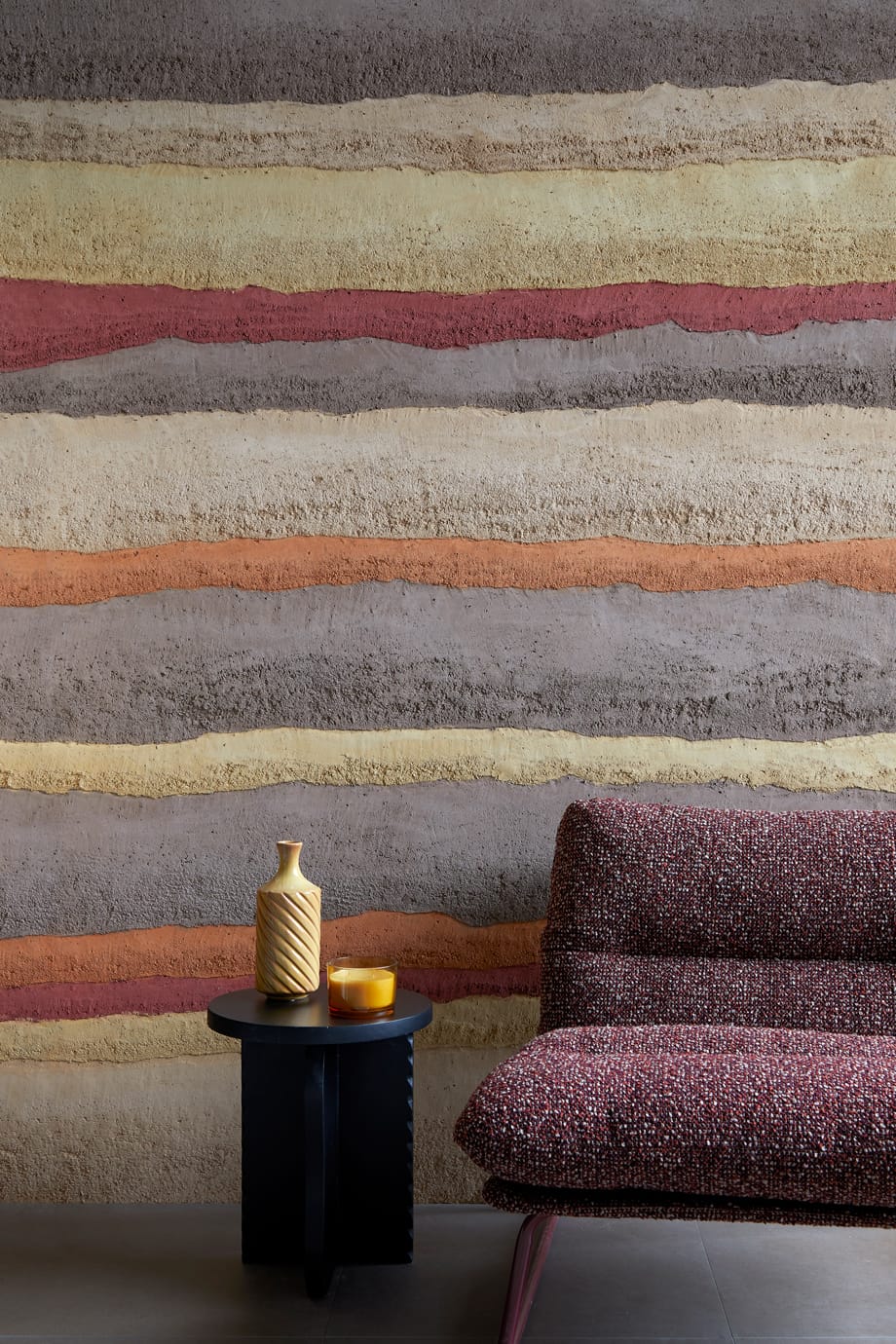
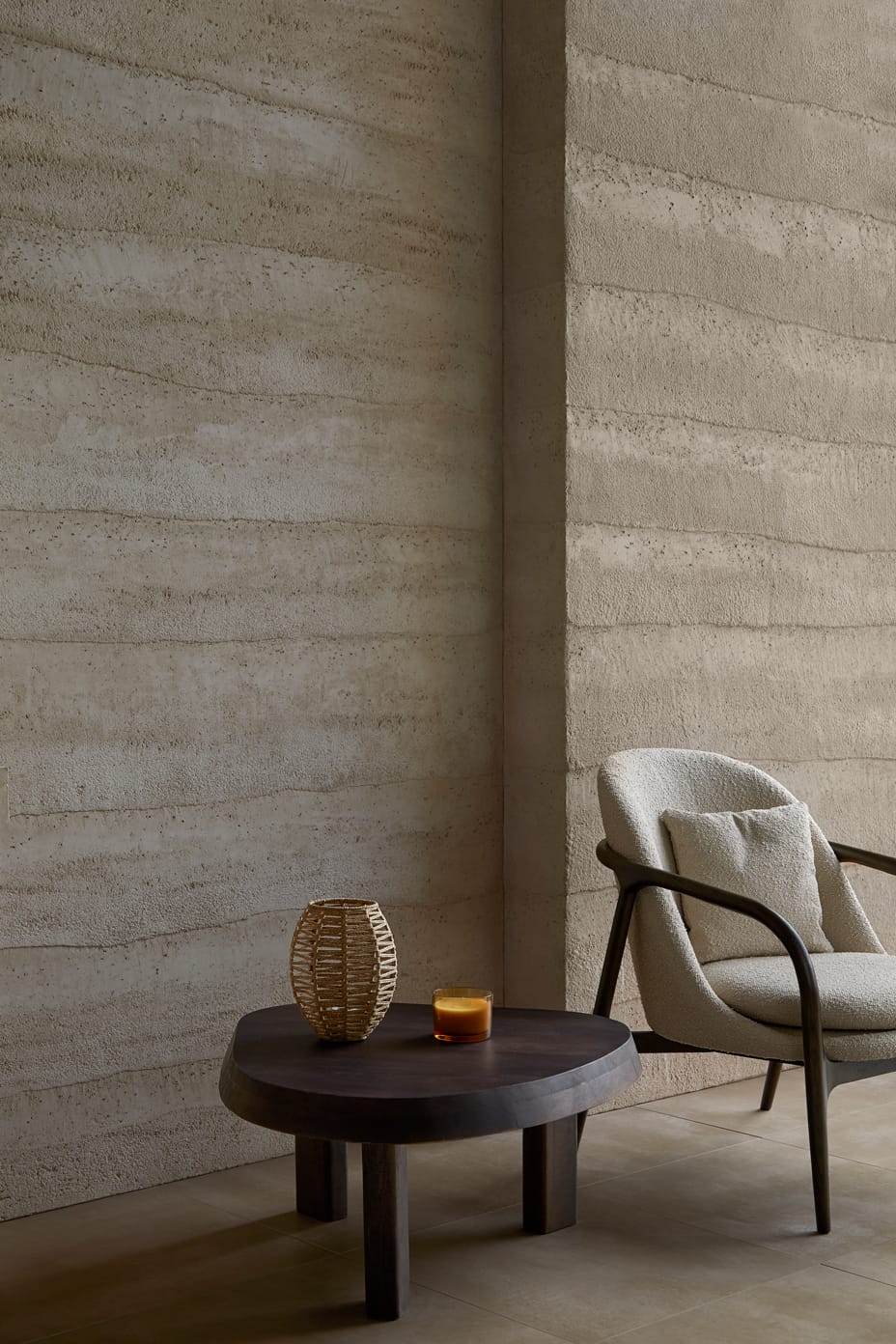
Left: Rammed Earth Tropical Ground finish; Right: Rammed Earth Washed Stone finish | Photos credit: Anna Stathaki
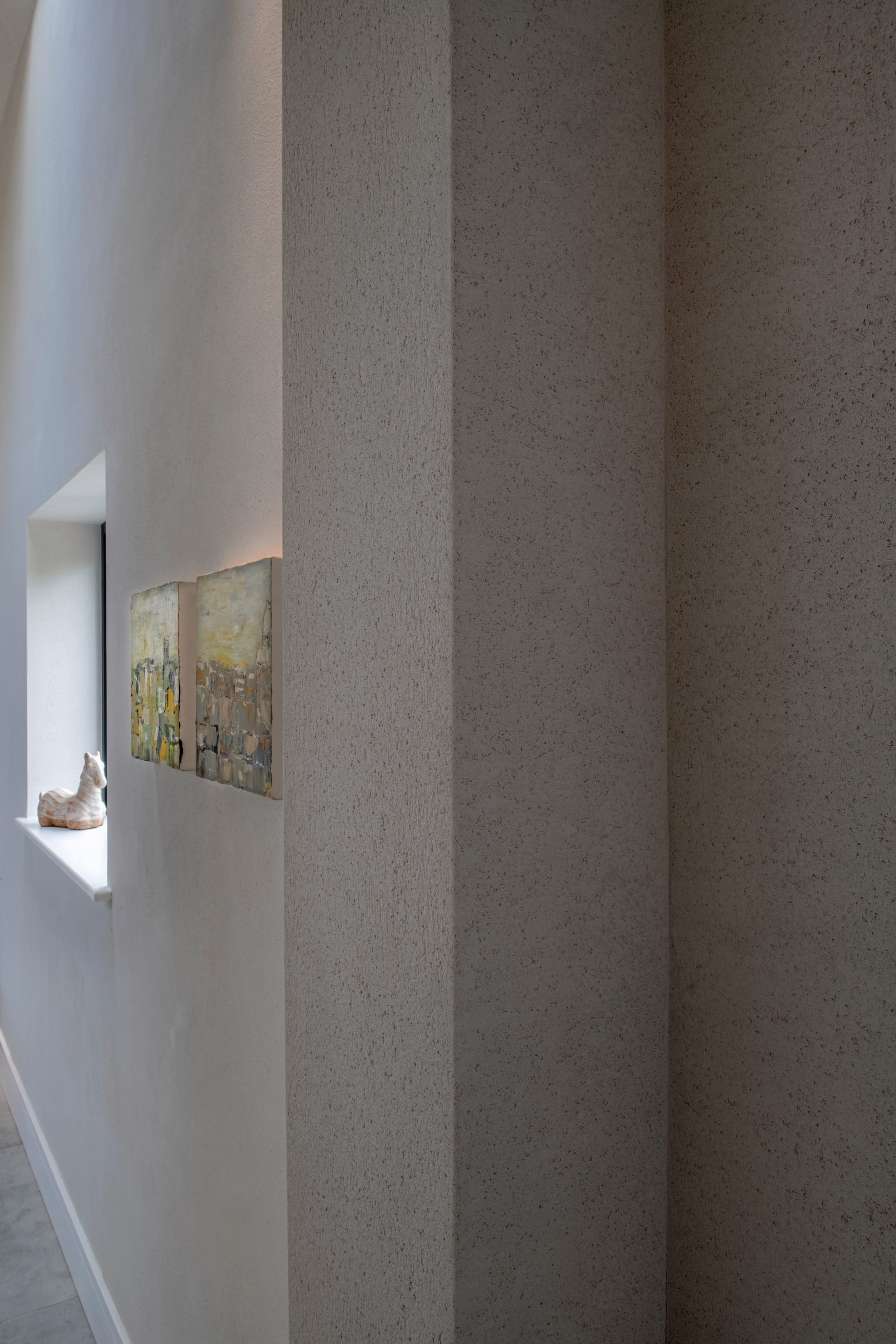
For the specifier, the appeal starts with what the raw materials can do that paint cannot. With Clay Lime Plaster, a blank wall does not need to be plain. Colour sits within a material with body, so the surface holds depth, and a slight movement. Armourcoat’s clay lime plasters can be matte and chalky, or more worked and directional, depending on the aggregate, the pressure of application and the sealer used. That range gives architects another register between flat coating and heavy texture: a finish that can bring tactility without overwhelming a room. Spencer describes Armourcoat as working in “the realms of visual materials”; these are surfaces to be read up close.
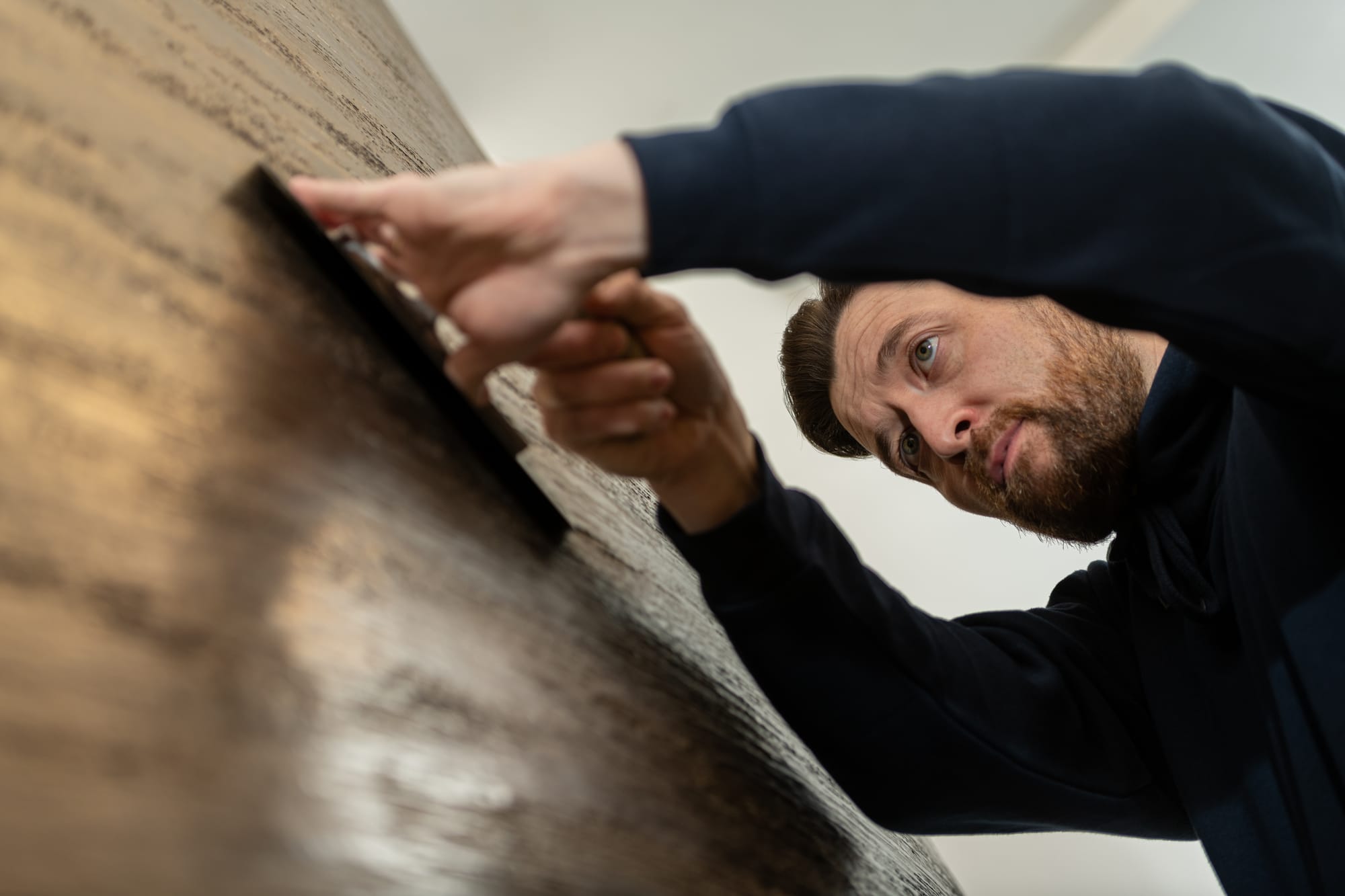
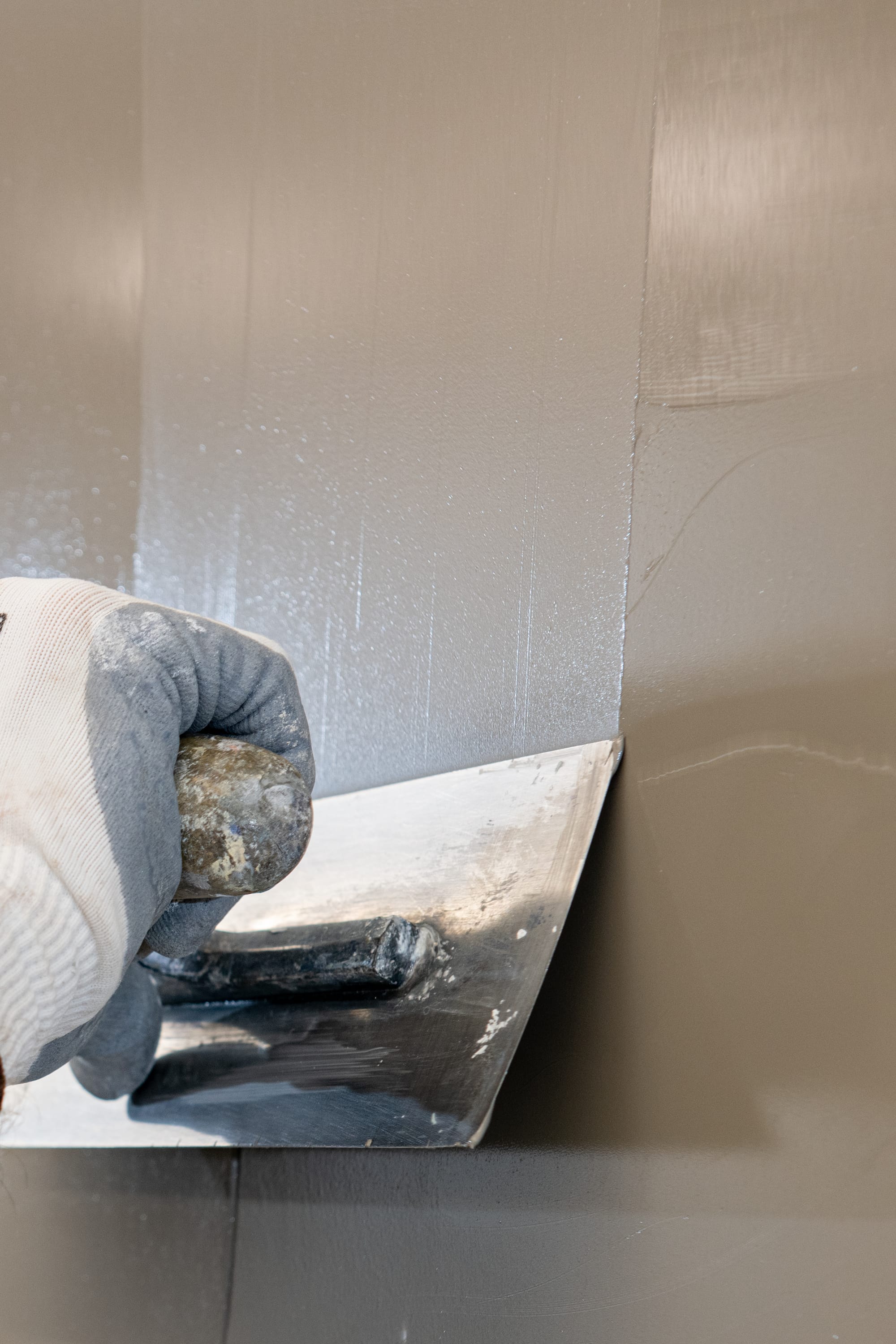
Armourcoat's specialist team applying their plasters | Photos credit: Jonathan Banks
Armourcoat’s work with designers begins at the earliest stages. The process starts with the brief: what kind of atmosphere the project is trying to create, what references the architect or interior designer is working from, and what the finish needs to do in practice. That might mean responding to moodboards, CGIs, material palettes, or it might begin with something less fixed, a colour reference, a photograph, a few words. “When you start working with something like the materials that Armourcoat has, we want you to be creative with them. So it allows you to put your own signature on a project, which means it’s unique,” says Spencer. The company wants the finish to be developed with the designer. That makes for a closer relationship between concept and execution, and a more iterative process in which references are translated into something unique to the project.

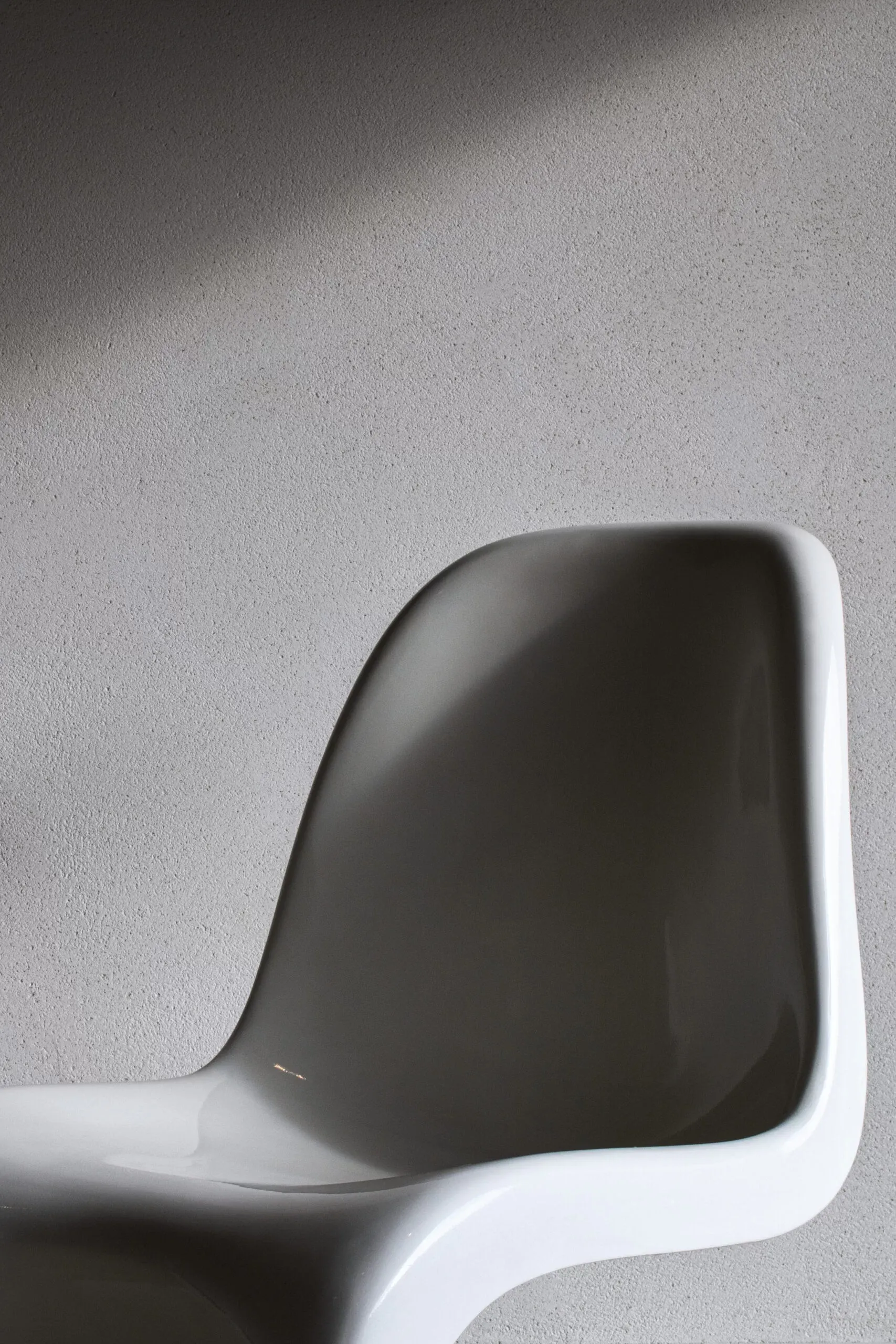
Left: Clime Honed, 001 Organic White | Texture by Armourcoat; Right: Application example | Photo credit: Jonathan Banks
At the sampling stage, these ideas really start to solidify into something material. Once Armourcoat understands the look the designer is after, the company begins producing samples to refine tone, texture and finish. Mock-ups become a way of narrowing the field and making decisions in material terms rather than abstract ones. This is also where their technical support matters, ensuring that what looks right on a sample board can also perform on site. “We've produced 15,398 bespoke finishes or colours for clients to date,” says Spencer.



Textures shown: Clime Coarse, 012 Red Clay| Clime Coarse, 001 Organic White | Clime Coarse, 008 Maple Fudge
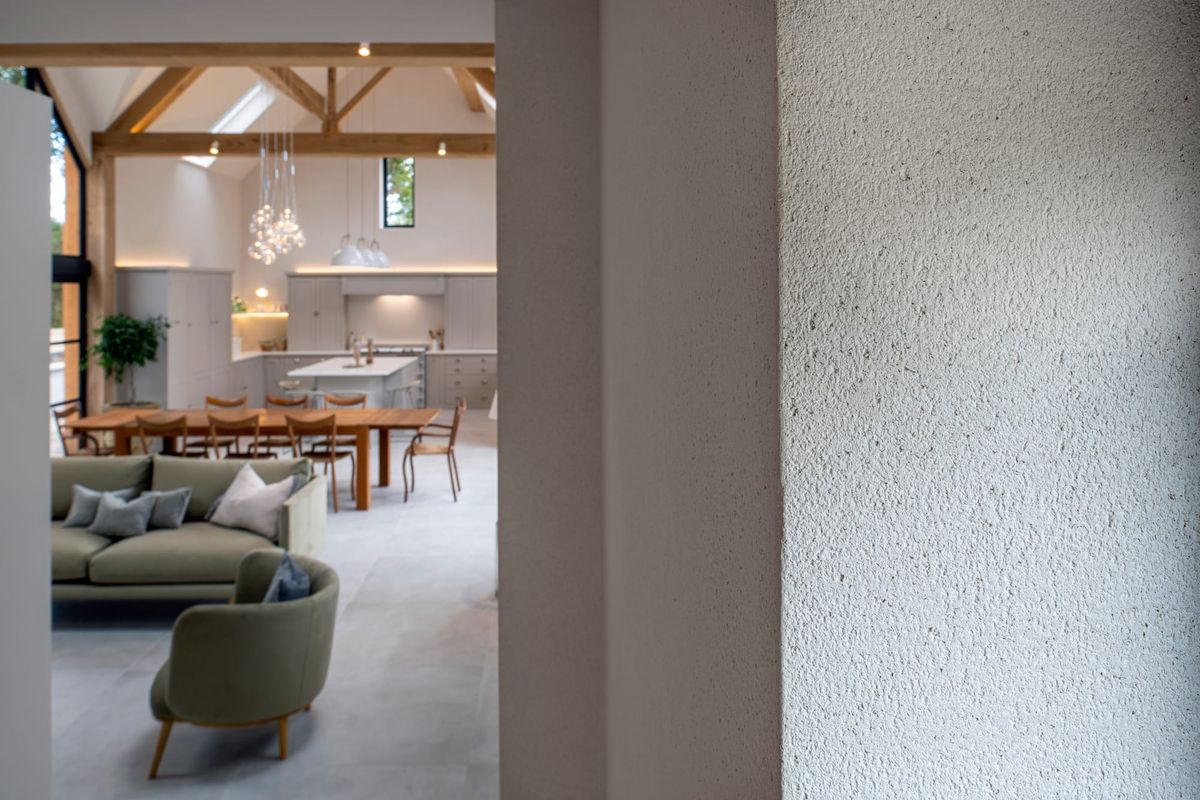
In one such project, The Long Barn, Clay Lime Plaster works because the project needs restraint. Barn conversions can tip too easily into either over-restoration or brittle minimalism. Here, the chalky, mineral surface sits well against older timber and masonry, while its breathability helps the building manage moisture carefully. Rather than flattening the walls into a clean backdrop, it allows some movement and irregularity to remain, which gives the interior warmth and a more settled character. That is the value of a finish like this, as it helps hold together the architectural logic of the project. “We're always looking to have some core values or principles as a manufacturer and also a service provider within the industry... not just about making sure we're sustainable... but equally being seen as solution providers” says Spencer.
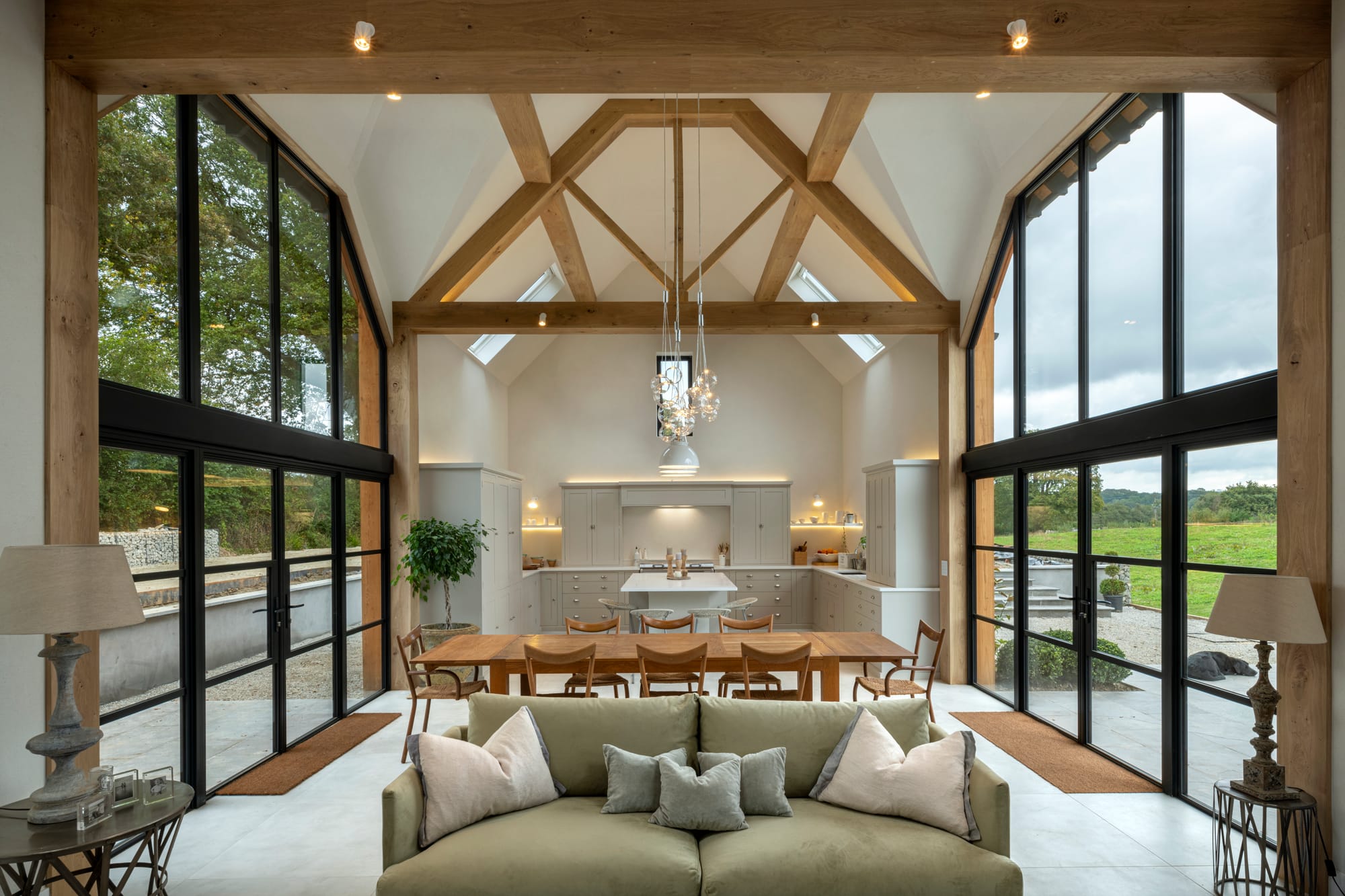
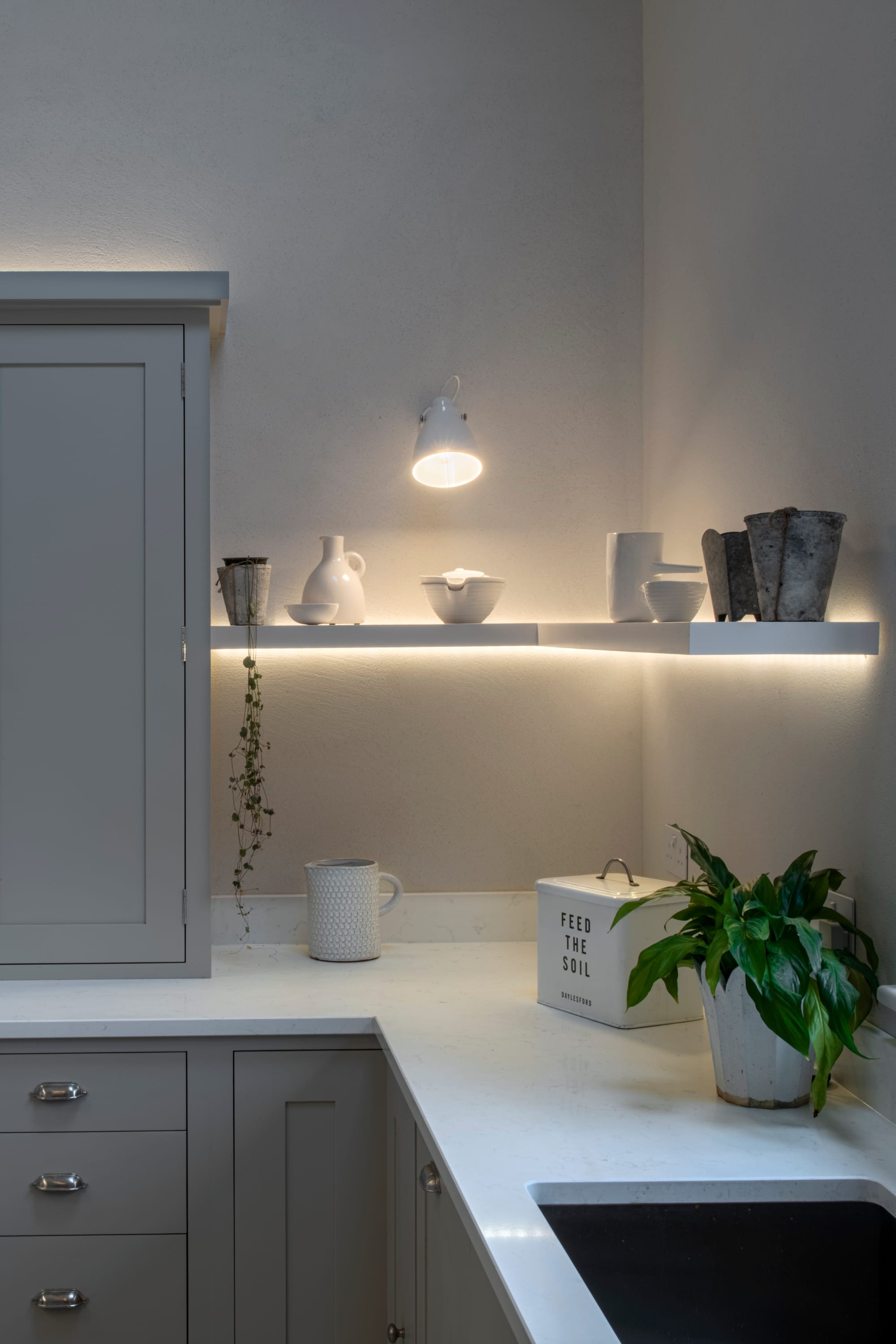
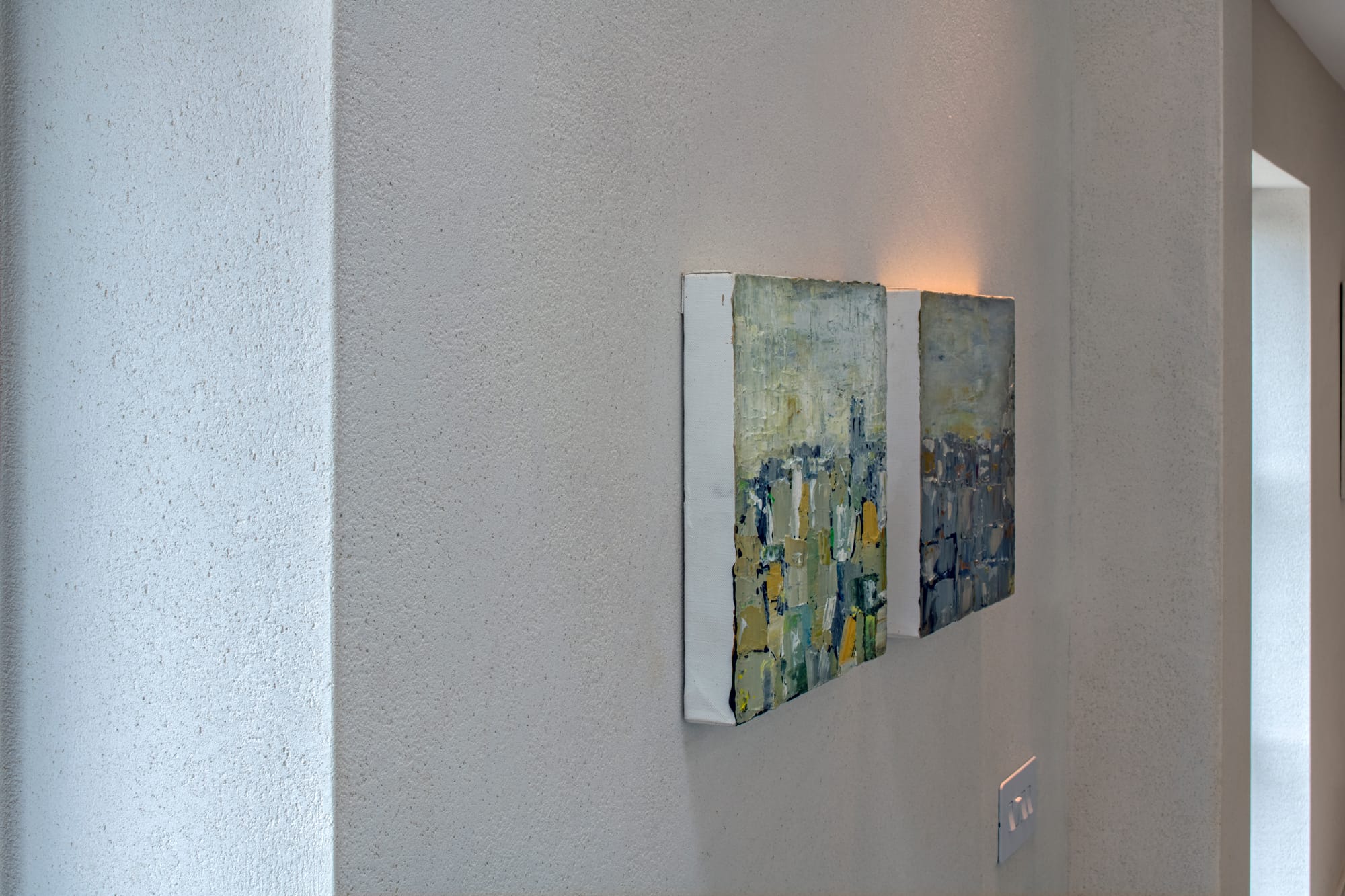
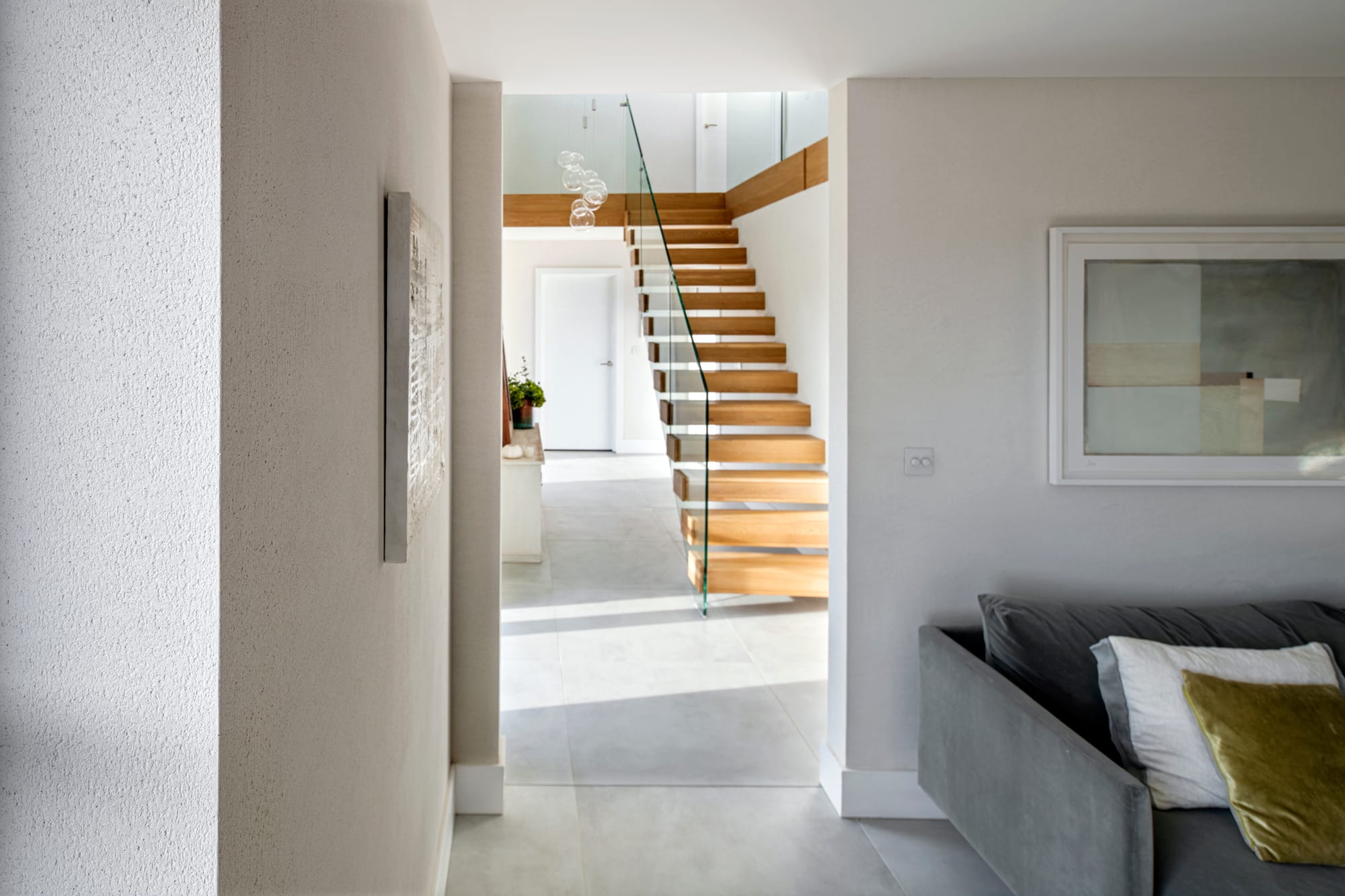
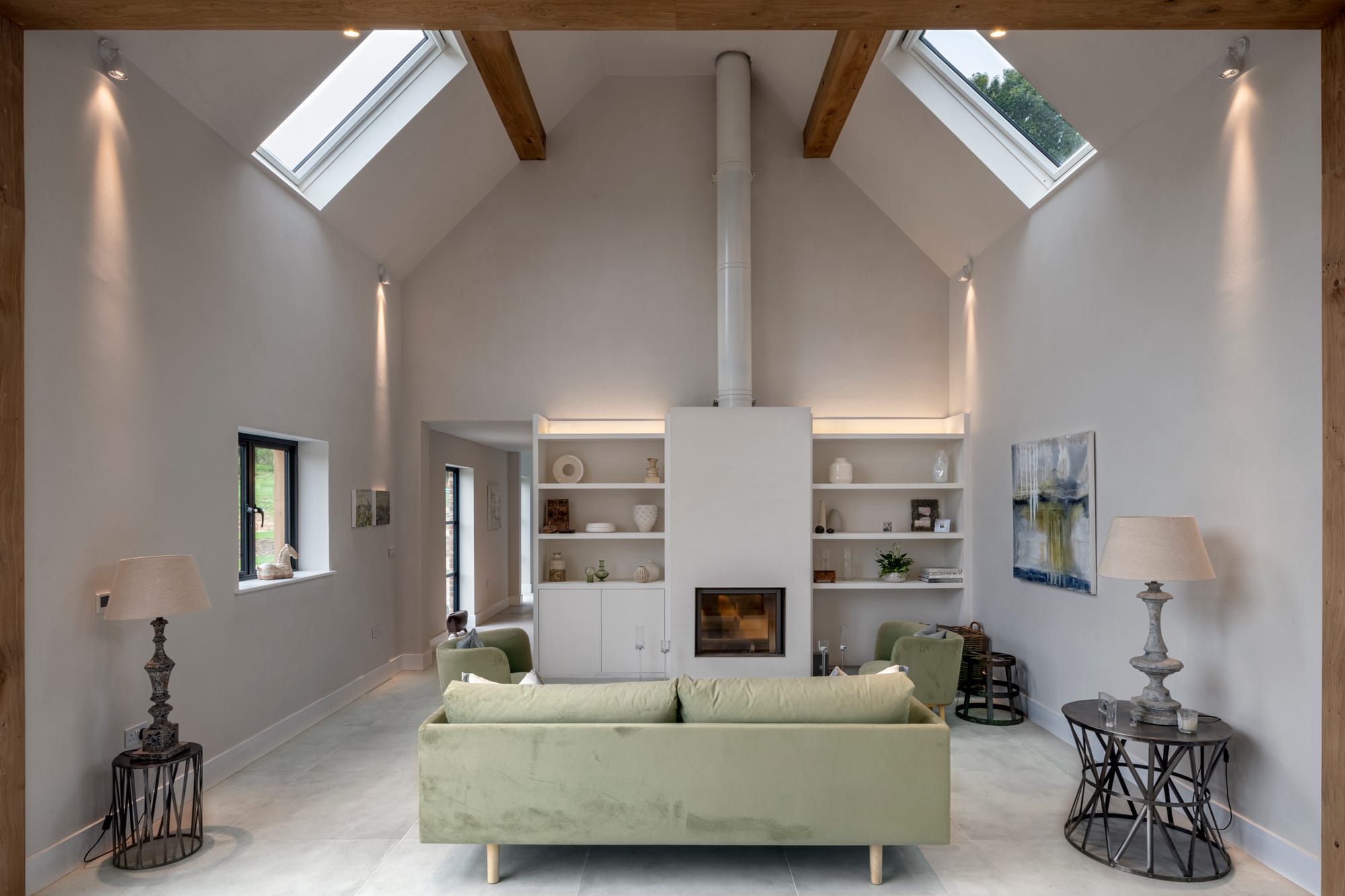
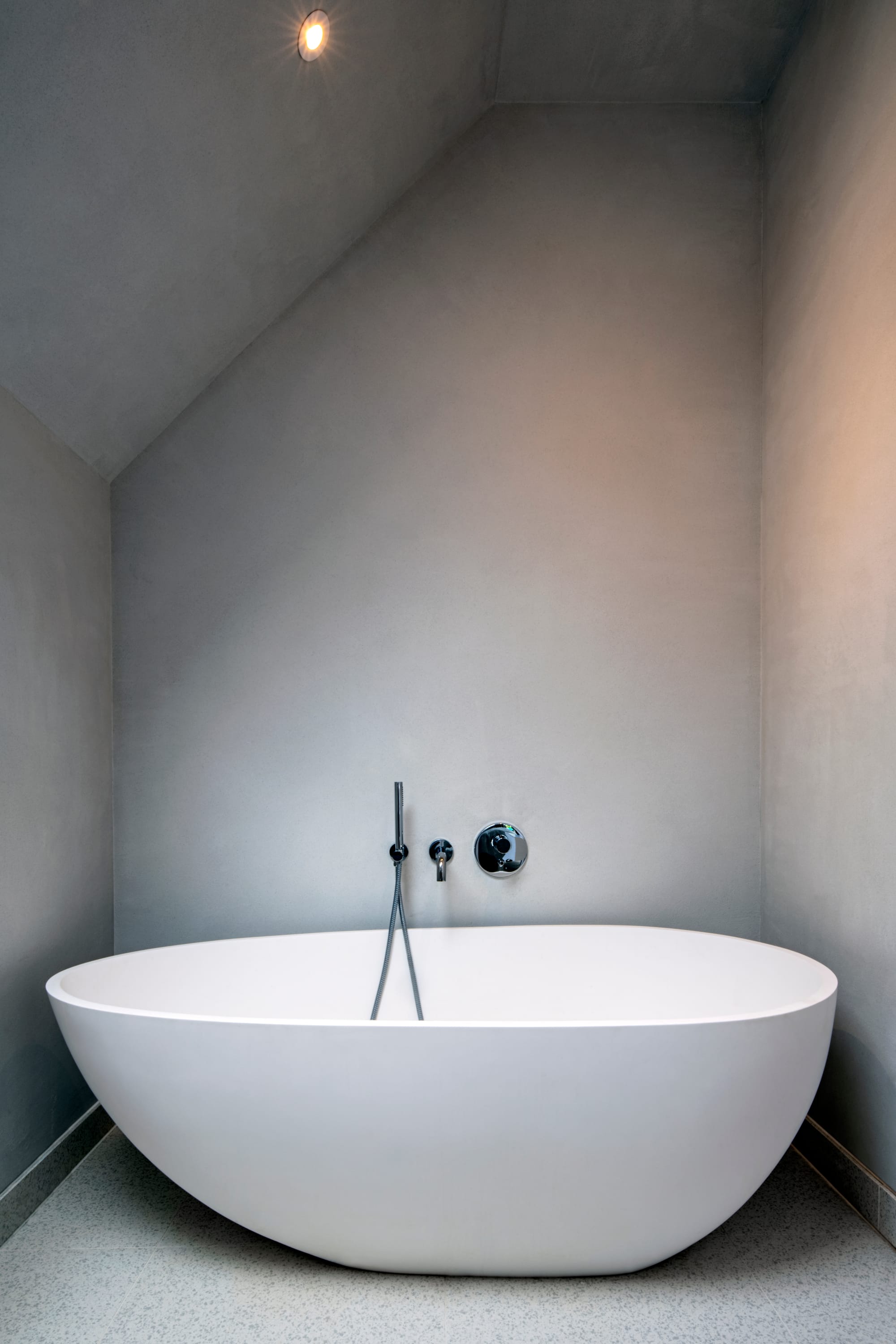
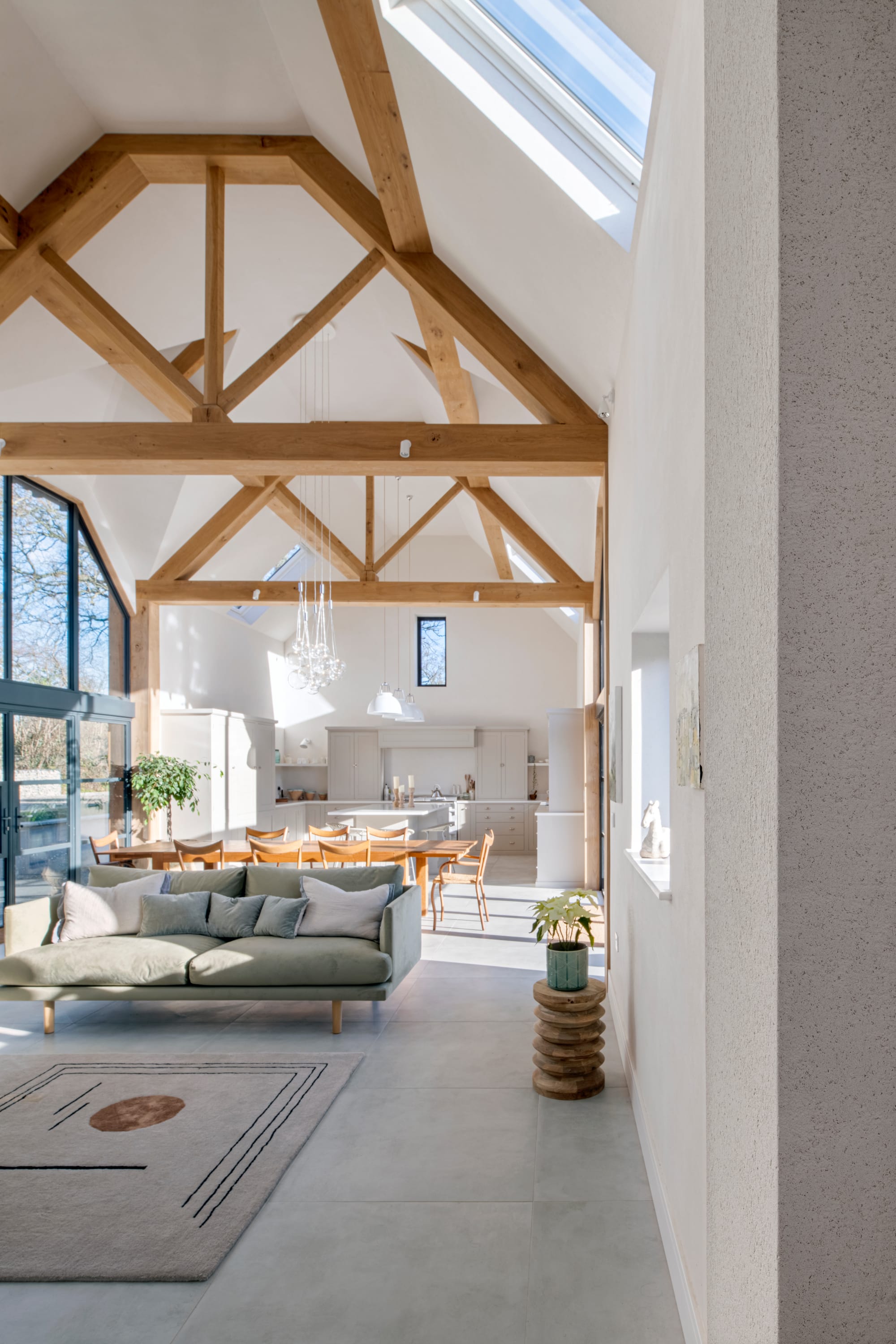
The Long Barn | Photos credit: Jonathan Banks
At 199 Bishopsgate, the demands were different. British Land’s refurbishment of the 12-storey, 146,000 sq ft office building set out to deliver high-end Cat A workspace with strong environmental credentials. A workplace interior asks for material character, but it also has to withstand heavier use. Too often, this can mean boring or clinical finishes. For the main reception, collaborative lounge and lobby areas, Buckley Gray Yeoman specified Armourcoat’s Clay Lime Plaster finish, Clime Honed. Hand-applied by Armourcoat’s specialist team in ‘Milled Lead’ and ‘Marl Silt’, the finish brings subtle shifts of colour and texture across the double-height atrium, giving the space a more considered material character. Its value here is practical as well as atmospheric. Clime Honed is 100 per cent cement-free and VOC-free, with more than 70 per cent recycled content, low embodied carbon, and an A1 fire rating. In a commercial office, where performance requirements can flatten interiors into something generic or clinical, it gives designers a way to meet technical demands without giving up intrigue.
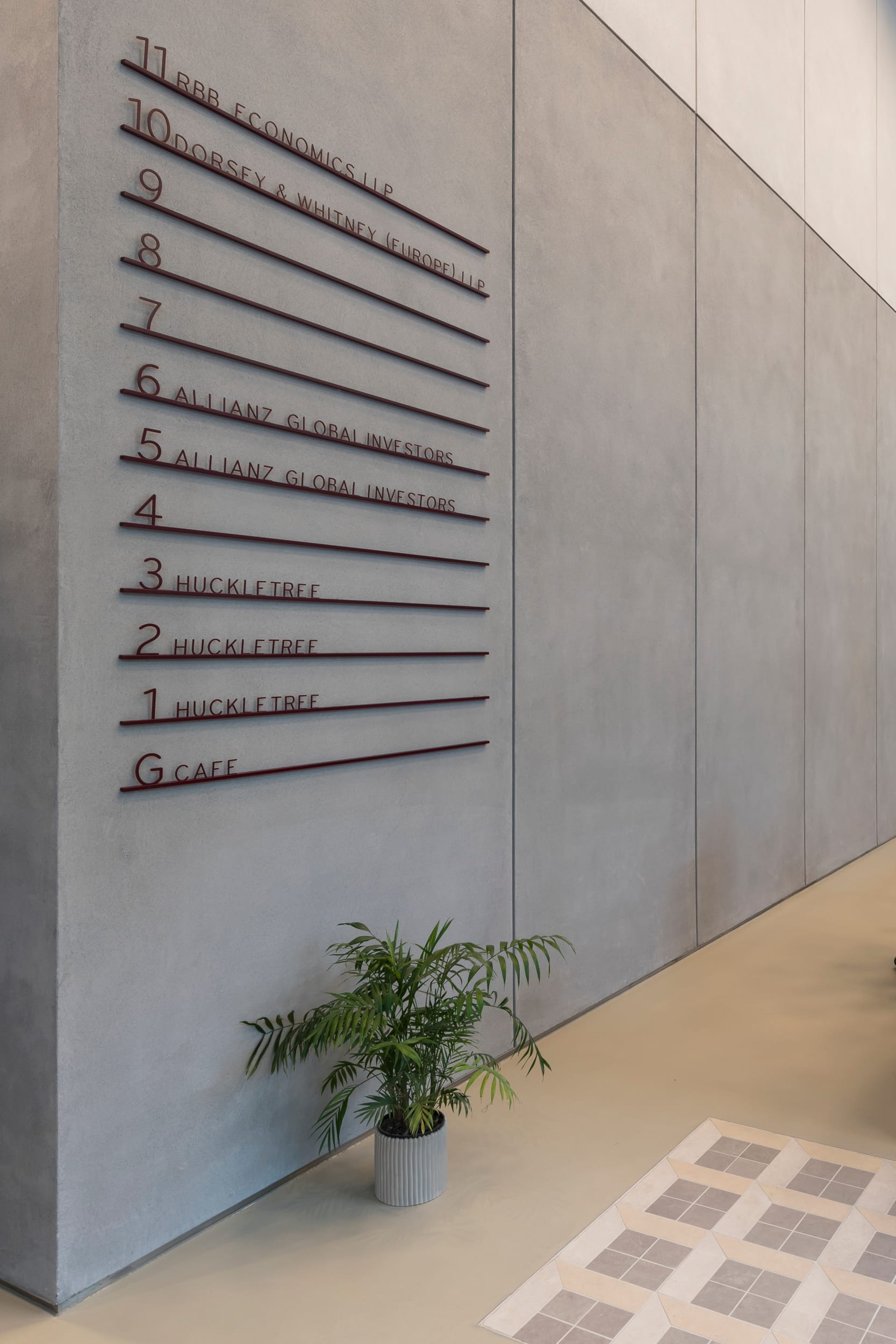
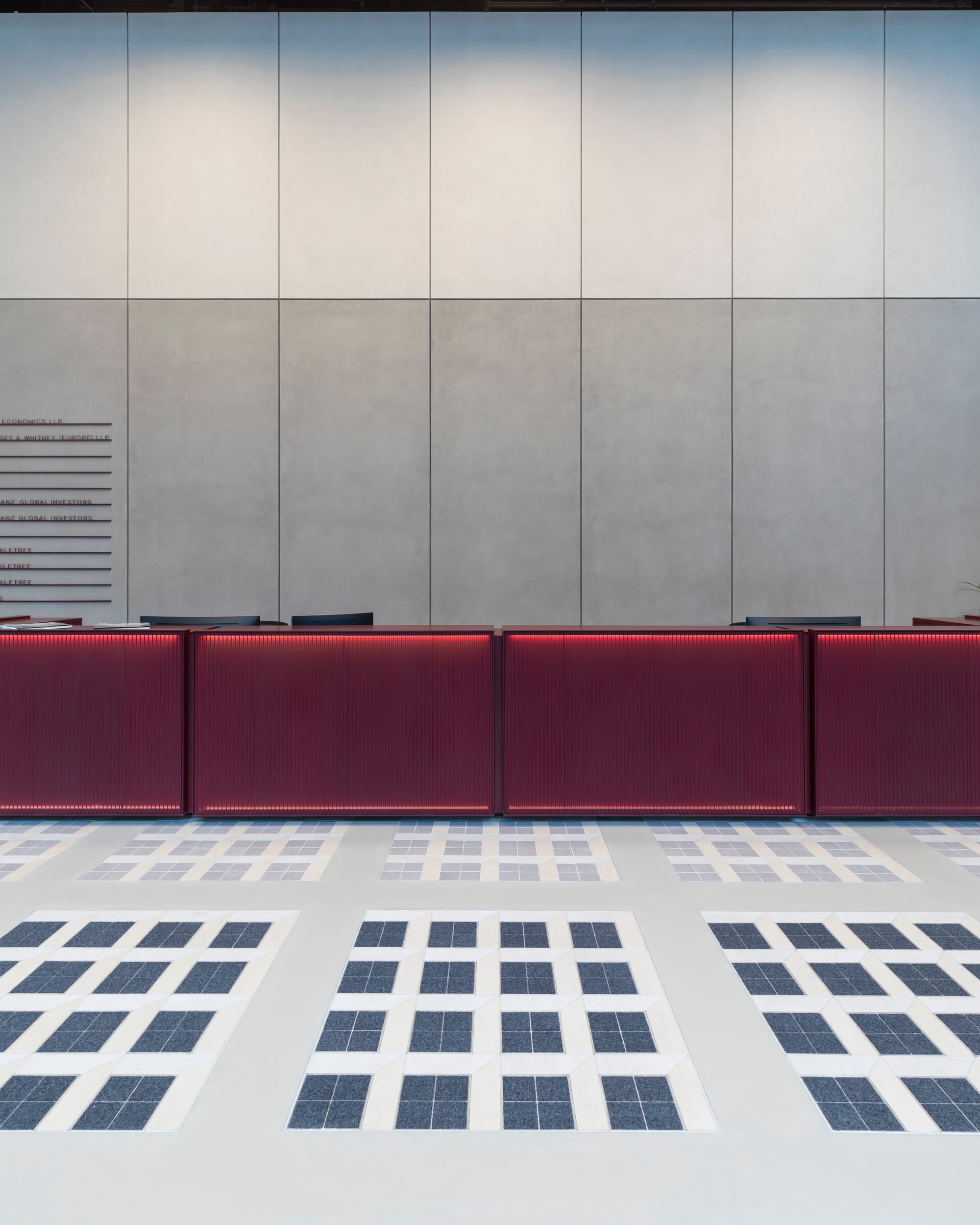
199 Bishopgate by Buckley Gray Yeoman | Photo credit: Sam Phillips
That combination of material range, technical support and installation control is what makes Armourcoat such a rich product. Architects are being asked to deliver more from every surface, aesthetically and environmentally. A finish that can hold both, while still leaving room for design intent, earns its place on the specification.