Stone
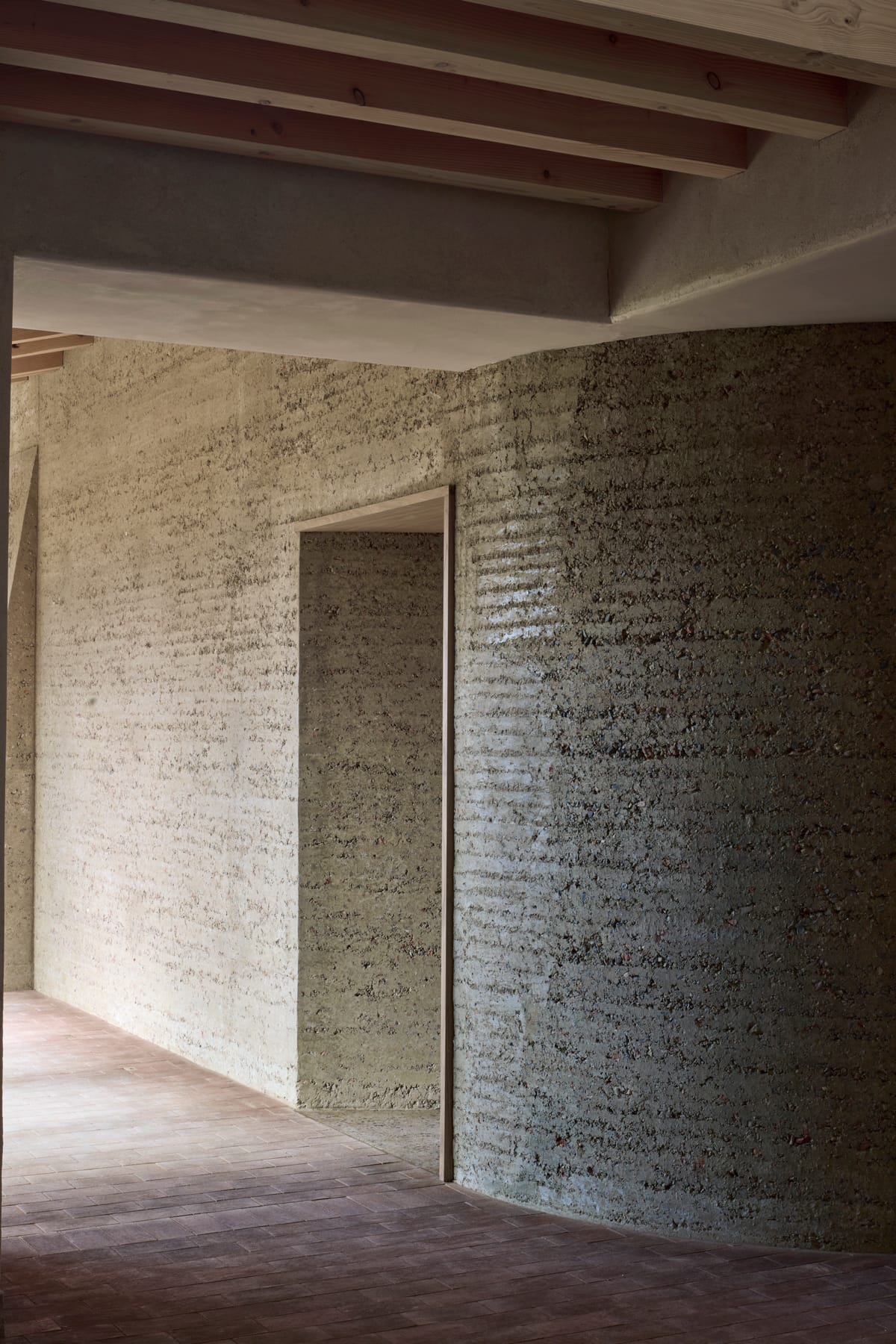
The Rammed Earth House in Wiltshire by Tuckey Design Studio reflects a slow, thoughtful approach to design. Commissioned by a couple, it’s shaped by how they live together, the sun’s arc, and the surrounding landscape.
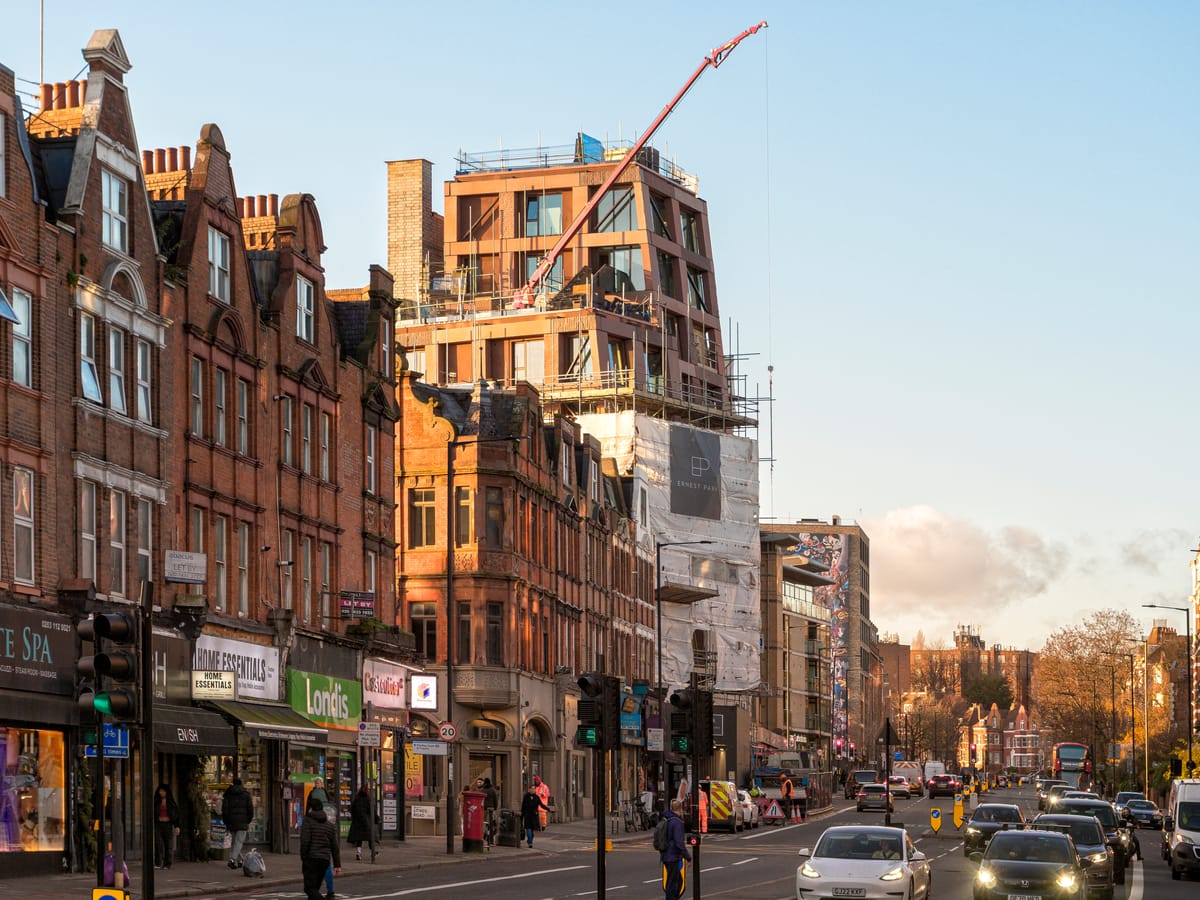
Groupwork’s Finchley Road project elevates stone construction with over 400 precision-engineered Larvikite beams and columns. A low-carbon alternative to steel and concrete, it combines structural innovation and sustainability building on lessons from Clerkenwell Close.
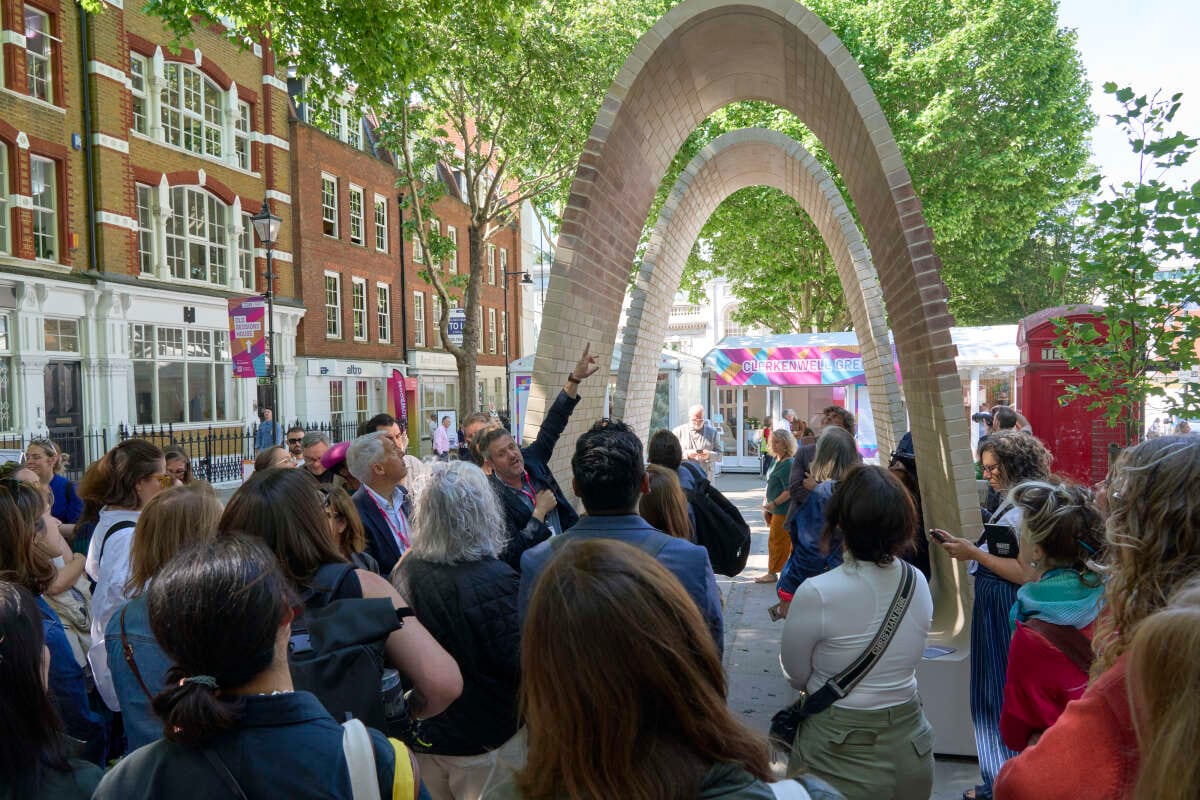
At Clerkenwell Design Week, the Arch Revival Pavilion wowed visitors with sweeping stone arches. Made from local stone, it uses far less carbon than clay bricks while staying strong and elegant, showing that sustainable design can be both beautiful and bold.
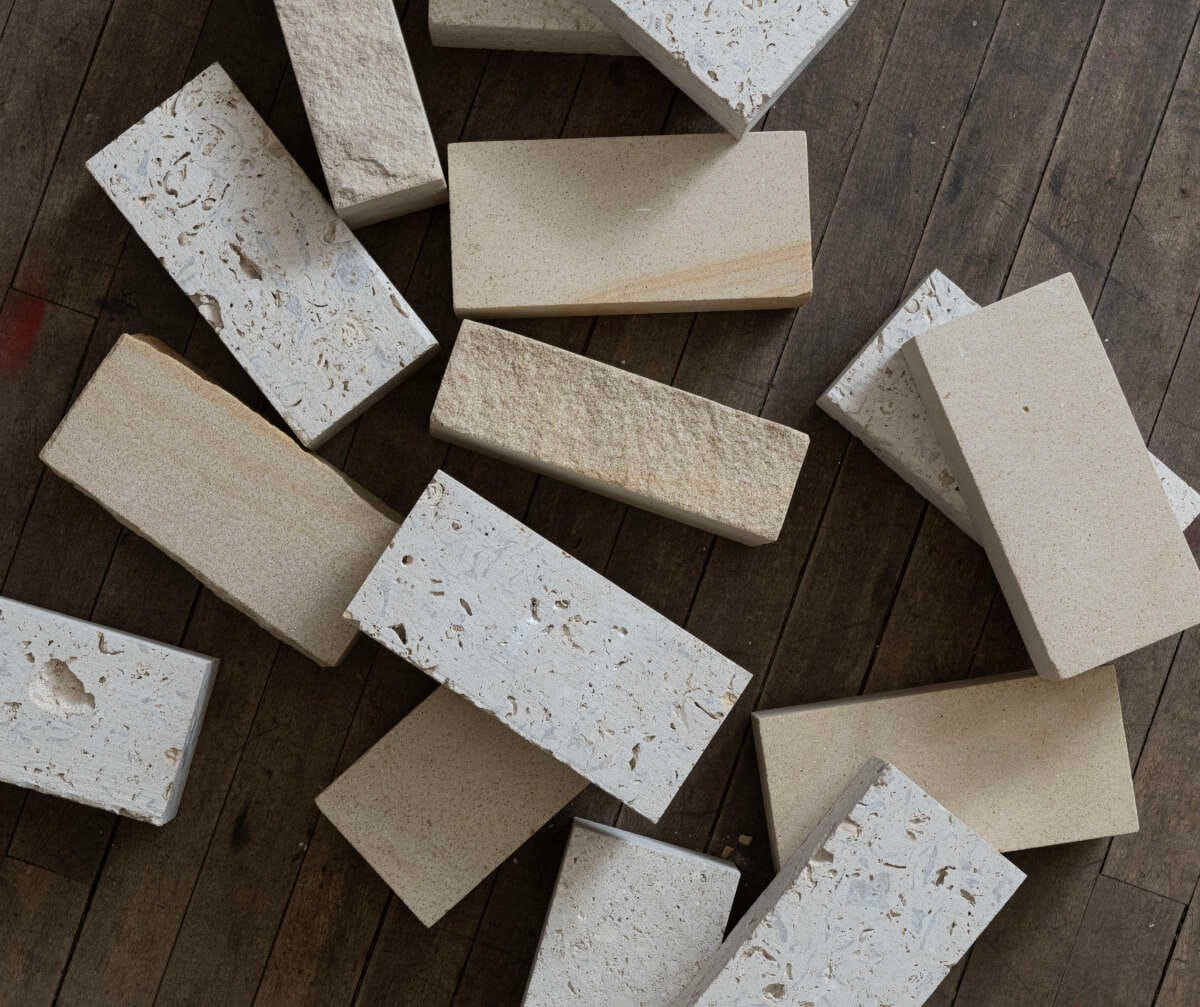
“People love stone” says Gavin Johnston, founder of Stone Curators. He should know, his opinion is one based on years of working with likeminded and appreciative clients who have tasked Gavin with finding exactly the right stone for their projects.
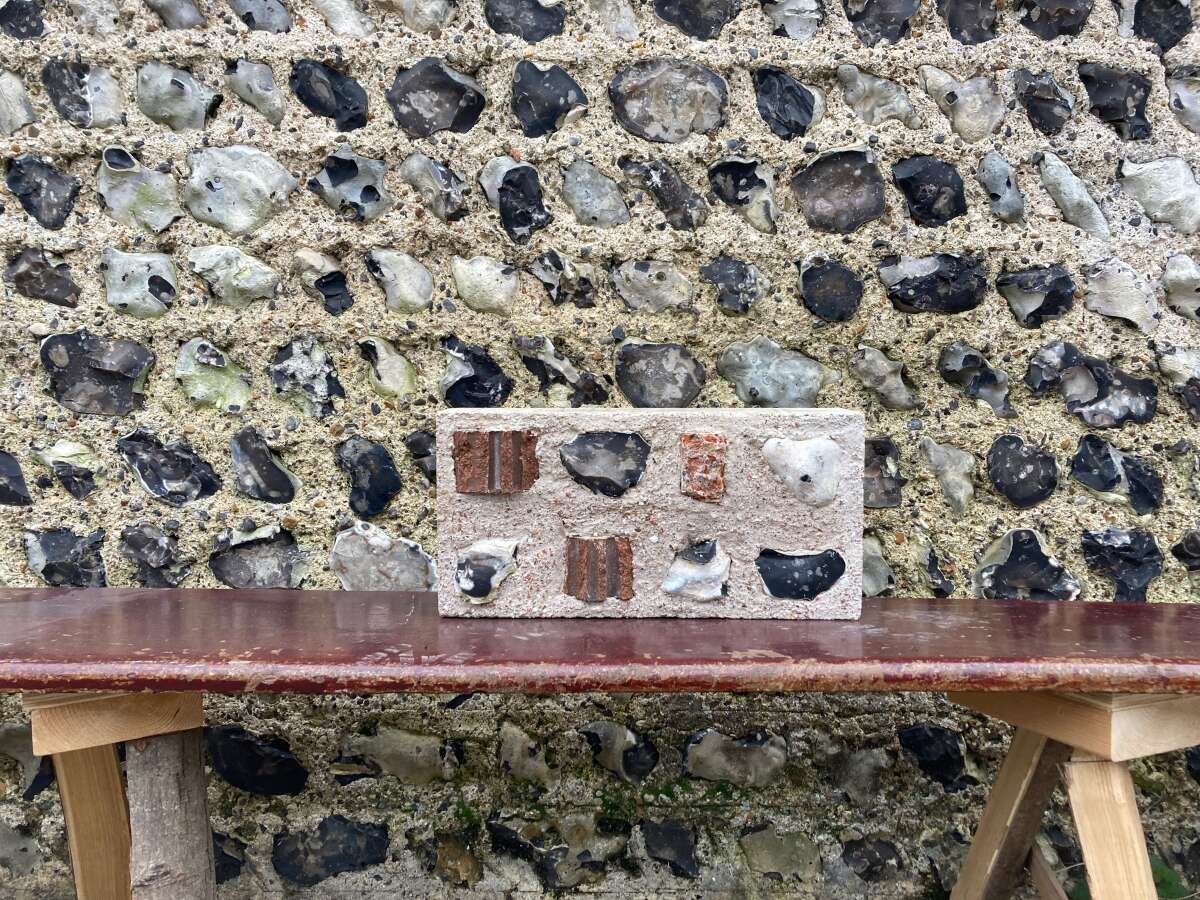
Building sustainably at scale is still viewed as problematic, with concrete and steel seen as a default for larger developments by a risk averse construction industry but the 19th century builders of Brighton had totally nailed it with bungaroosh.
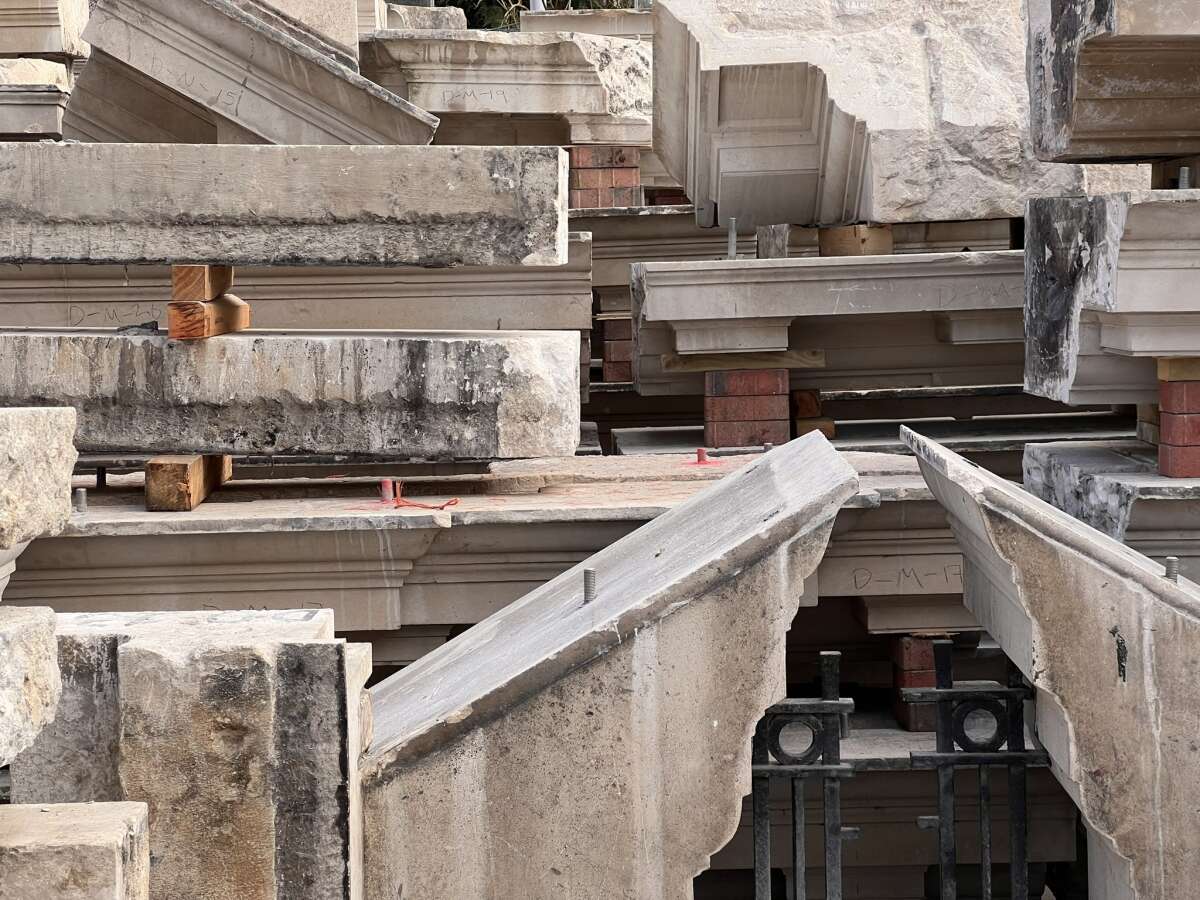
Paye Stonework and Restoration, founding members of The Stone Collective and leading stonework and restoration contractors, have seen a huge growth in interest around the benefits of Spolia.
Time is running out. It is becoming apparent that if the construction industry’s contribution to reaching government targets of net zero by 2050 is to be achieved, radical action is called for. Old carbon intensive practices need to go. One solution seems staggeringly simple.
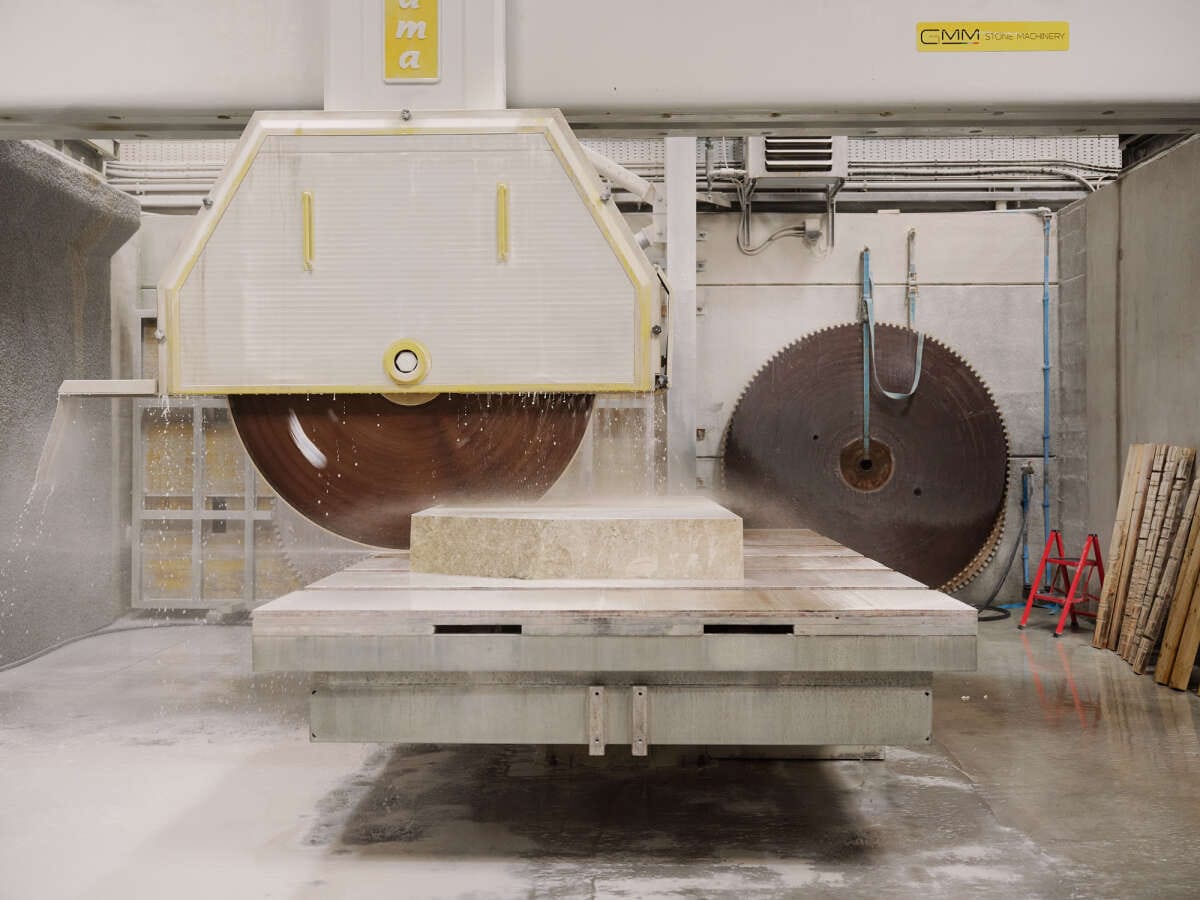
From the cutting devices employed by 17th-century water mills to the cable wire cutting saws, steam-powered planers and industrial tip blades used to increase the speed of cutting granite and marble of the 1900s, the stonemason has never shied away from progress.
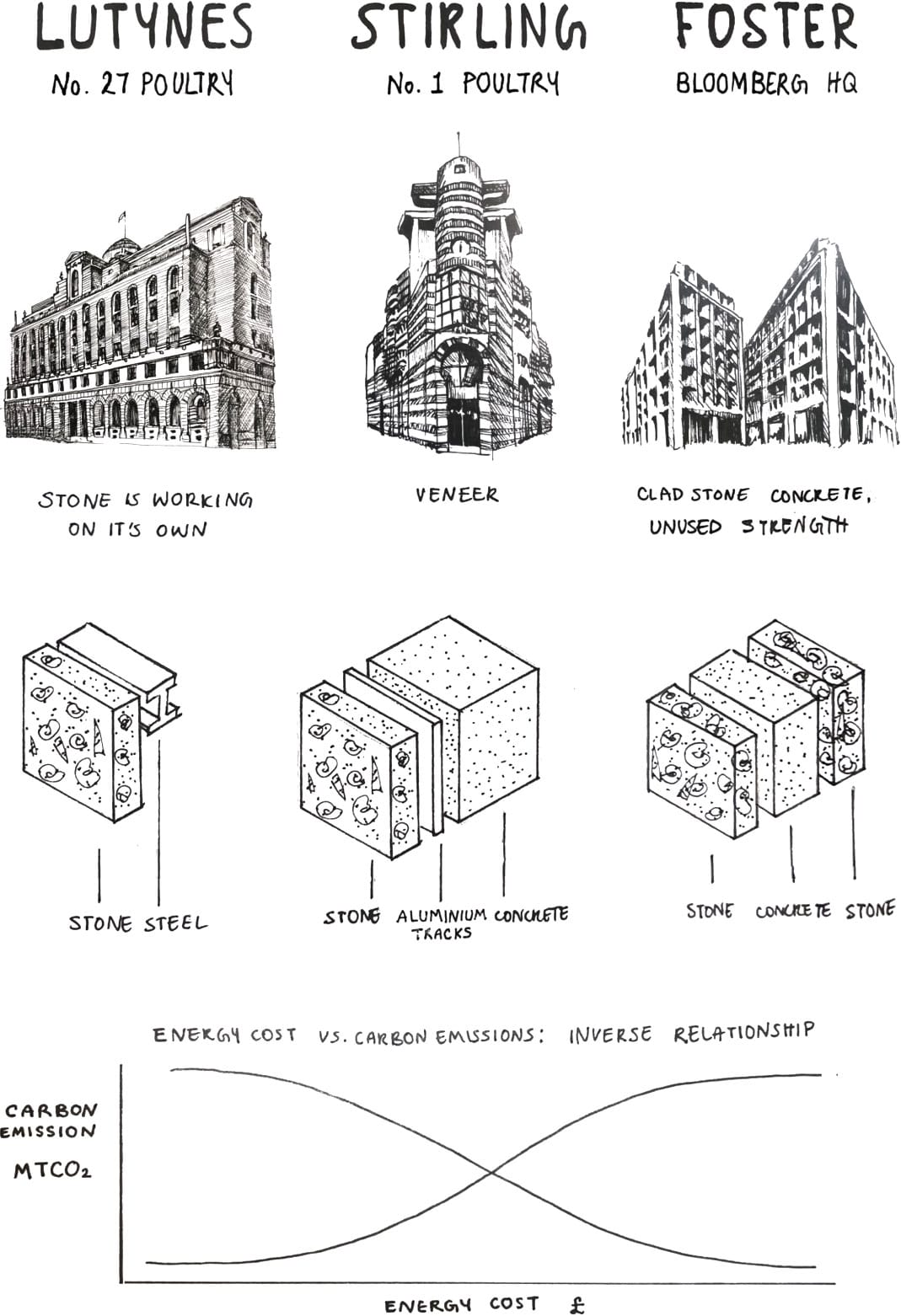
The 20th century marked the decline of construction in stone, the victim of rising energy costs, wars and the fashion for new materials. To understand this rapid decline and witness the change from structural to veneer, take a walk in the heart of the city of London.