Solutions for a more sustainable interior design practice
We all have different values and issues we feel passionate about. As an interior designer I strongly feel the need to explore the many issues that the industry touches in order to work more consciously. These issues are interconnected; avoiding animal cruelty in my work raises awareness around the chemicals used to preserve these once living materials that bring issues to all points in the lifecycle; polluted waterways, food, even transfer onto skin. This means avoiding toxic chemicals generally, including petrochemical equivalents to animal products as toxic chemicals require animal testing. This has led me to work much more circularly and regeneratively - avoiding harm by reusing and extending lifecycles, using carbon sequestering materials that are compostable, and producing designs that encourage energy and water efficiency. All of which help both ecology and the community to prosper.
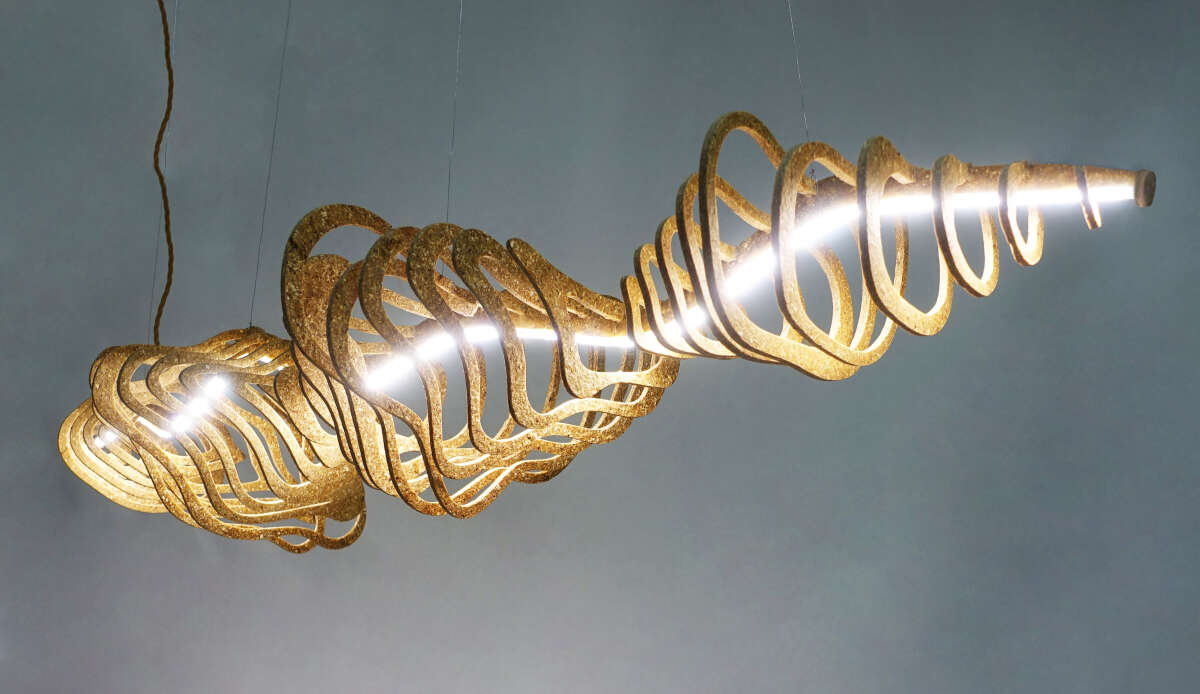
The fashion industry is becoming more self-aware and we as consumers are realising the true costs of the industry. People are making changes to their consumption, turning to concepts of reuse and rental rather than ownership. There’s increasing discussion around problematic fibres used; whether petrochemical, microplastic shedding, a water polluting dyeing processes, exploitation of animals or just too complex a combination of fibres to be able to compost at the end of life. Consumers are becoming increasingly aware of the real destinations of discarded clothes. The Rana Plaza disaster of 2013, where the structural failure of a building housing garment factories in Bangladesh led to the death of 1,134 people, put into sharp focus the impact on people working in dangerous conditions on low wages.
The interior design industry utilises many more materials and processes than the fashion industry, yet much less is known about it. We mine and extract products from finite materials, process products at high temperatures and use large amounts of water and toxic chemicals. We follow the ebb and flow of trends - saturating the market with poor quality products, encouraging thoughtless consumerism. Fast furniture is real, our high landfill rates show this. As well as contributing to global heating, we pollute water, air and land. The built environment is estimated to be responsible for up to 40% of all carbon emissions. We have a responsibility for our work; from materials manufacturing and specification to end of life.
How do we tackle these issues positively?
1. Make nature a stakeholder
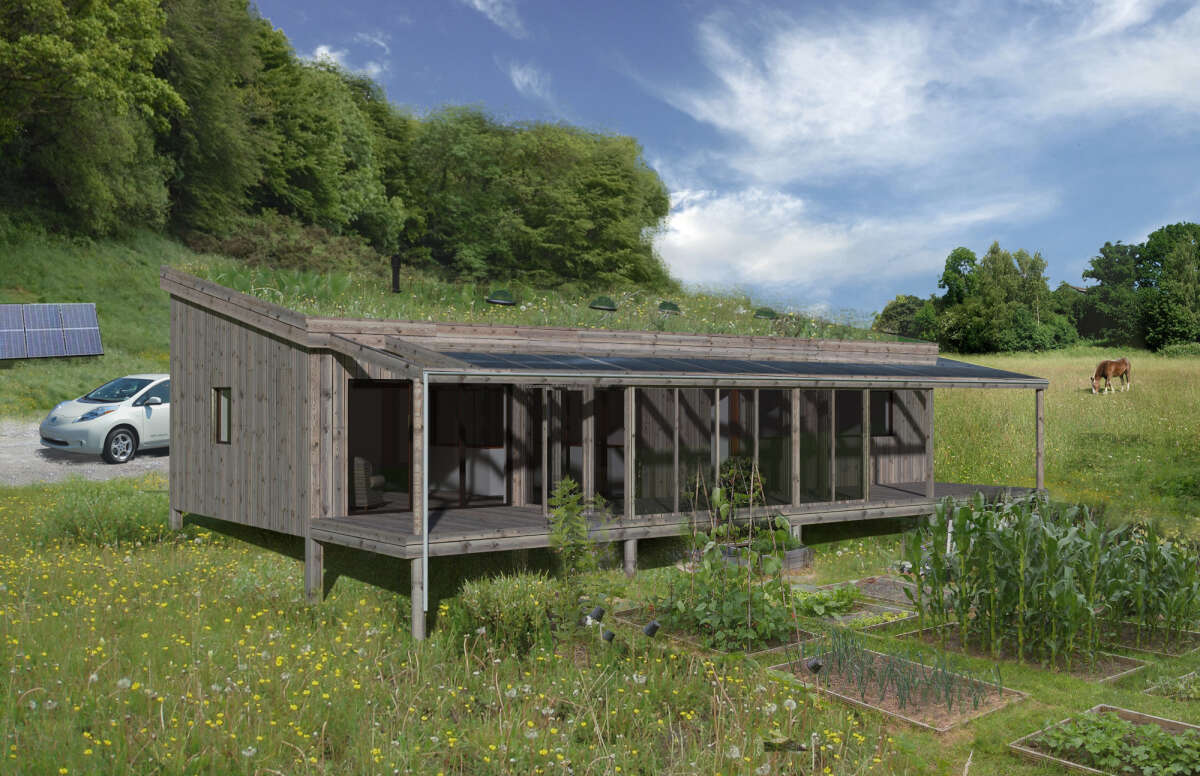
Biodiversity is all life on Earth. Estimates of how many species there are range wildly and we don't fully understand how interdependent they are within nature’s ecosystems. We only discover it when it’s too late and the links in the chain are broken through extinction. This is not only mourning of lost species; as human beings we depend heavily upon nature for our survival. We should treat it as the capital it is. We are provided with many of the renewable materials for our industry (timber, paper, cork, fibres farmed from land and sea; the co-products and bi-products of other industries) as well as much of the food and medicines in our daily lives. Habitat loss, over exploitation of natural finite resources, climate change and pollution all erode biodiversity. So much is linked to our work as interior designers with certified sustainable timber becoming the standard for building products, but still not the norm for timber furniture. Without certification it likely means illegal logging and habitat loss. Waking up to this, putting nature at the centre for how we work as a stakeholder will help us make informed choices on a daily basis.
2. Influence
We have a responsibility for our work, but we are not always in control. Clients are key to what actually gets built. How do we engage the clients and stakeholders who are delivering projects? These stakeholders need to play their part and jointly shoulder some of the risk involved in lesser known materials and processes.
3. Interconnectedness
I wholeheartedly recommend finding others in the industry and forming community and solidarity. I helped form Interior Design Declares, a network of interior design practices, suppliers and educational establishments committed to addressing the climate and biodiversity emergency. Nearly five years in, we have been joined by hundreds of others who align to our pledges, both in the UK and abroad. We come together to share knowledge and resources and to support each other. We campaign and lobby for positive change, connecting with other parts of the built environment to do the same.